
loading...
- No. 9, Xingyuan South Street, Dongwaihuan Road, Zaoqiang County, Hengshui, Hebei, China
- admin@zjcomposites.com
- +86 15097380338
- Welcome to visit our website!

Comprehensive Guide to Durable and LongLasting grp fencing Solutions
GRP Fencing: A Comprehensive Guide for Durable and Long-Lasting Solutions
Looking for a robust, low-maintenance, and aesthetically pleasing fencing solution? GRP (Glass Reinforced Polymer) fencing offers a compelling alternative to traditional materials like wood, metal, and concrete. This article will delve into the benefits of GRP fencing, its applications, installation considerations, and why ZJ Composites is a leading provider of high-quality GRP fencing solutions. Choosing the right fencing can significantly enhance the security, aesthetic appeal, and longevity of your property.

What is GRP Fencing and Why Choose It?
GRP fencing, also known as fiberglass fencing, is a composite material made from glass fibers held together by a resin matrix. This combination results in a material that is remarkably strong, lightweight, and corrosion-resistant. Unlike traditional fencing materials, GRP doesn’t rot, rust, or require painting, significantly reducing long-term maintenance costs. It’s an excellent choice for harsh environments, including coastal areas, industrial sites, and agricultural settings. The versatility of GRP allows for a wide range of designs and colors, making it suitable for both functional and aesthetic applications. ZJ Composites provides customizable GRP fencing solutions to meet diverse project requirements.
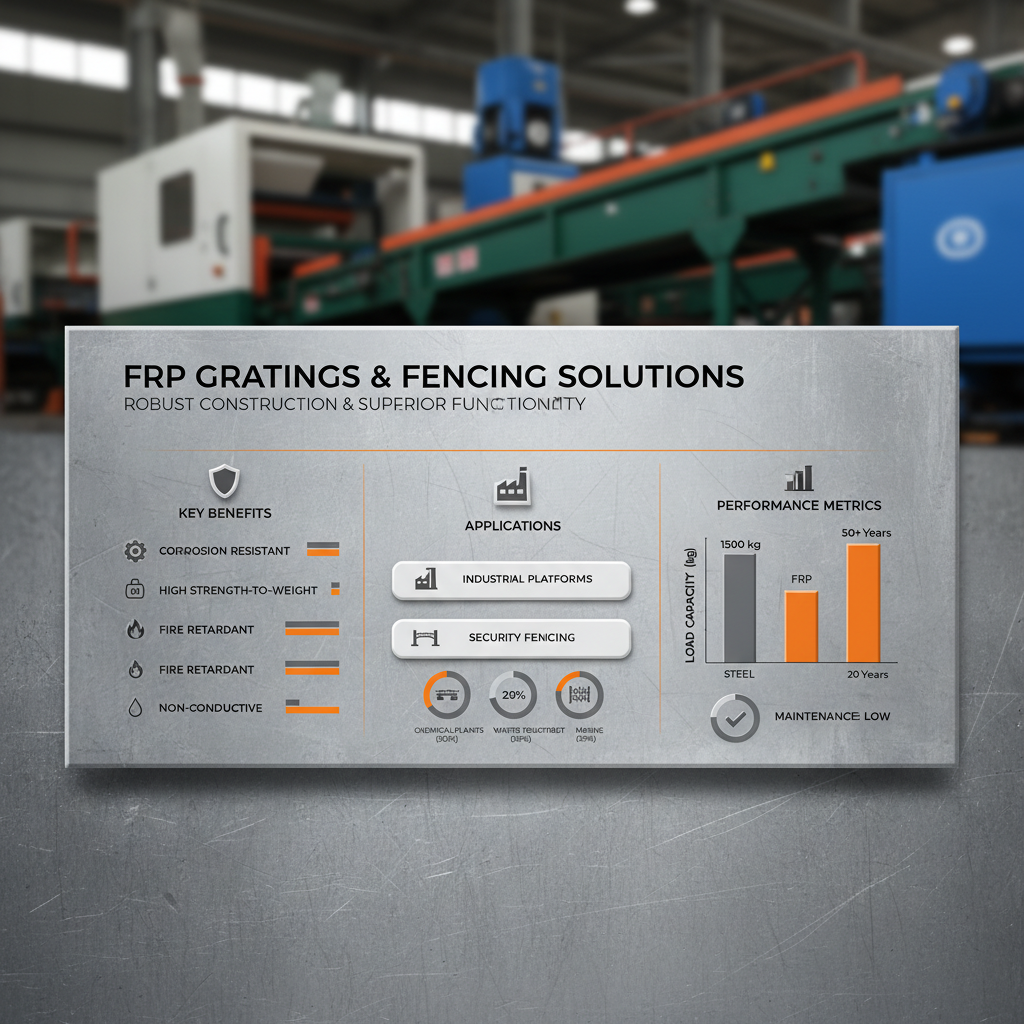
Key Benefits: Corrosion resistance, low maintenance, long lifespan, lightweight, high strength, design flexibility.
GRP Fencing Applications: Where Can It Be Used?
The diverse properties of GRP fencing make it suitable for a wide array of applications. These include: Security fencing around industrial and commercial properties, agricultural fencing for livestock containment, pool fencing due to its non-conductive nature, railway fencing for safety and demarcation, pedestrian barriers in public spaces, and even decorative fencing for residential properties. The adaptability of GRP allows for tailored solutions for each specific need. ZJ Composites has supplied GRP fencing for projects ranging from large-scale infrastructure to smaller private installations.
Common Applications:
• Industrial and Commercial Security
• Agricultural Livestock Containment
• Swimming Pool Safety Barriers
• Railway Line Protection
GRP Fencing vs. Traditional Fencing Materials: A Detailed Comparison
When considering fencing options, it's crucial to compare GRP with traditional materials. Here's a detailed look at how GRP stacks up against wood, metal, and concrete:
Installation Considerations for GRP Fencing
GRP fencing is relatively easy to install, requiring similar tools and techniques as traditional fencing materials. However, proper installation is crucial to ensure the fencing’s structural integrity and longevity. It typically involves setting posts in concrete, then attaching the GRP panels or rails to the posts. ZJ Composites provides detailed installation guides and support to ensure a successful installation. Consider factors like ground conditions, wind loads, and the desired height and style of the fencing when planning the installation.
Why Choose ZJ Composites for Your GRP Fencing Needs?
At ZJ Composites, we are committed to providing high-quality GRP fencing solutions that meet the diverse needs of our clients. We offer a wide range of products, customized designs, and expert technical support. Our GRP fencing is manufactured to the highest standards, ensuring durability, reliability, and long-term performance. We pride ourselves on our customer service and our ability to deliver projects on time and within budget. We offer competitive pricing and a commitment to sustainable manufacturing practices.
Conclusion: Invest in a Future-Proof Fencing Solution
Investing in GRP fencing from ZJ Composites is a smart decision for anyone seeking a durable, low-maintenance, and aesthetically pleasing fencing solution. Its long lifespan and resistance to the elements make it a cost-effective choice in the long run. Choose GRP fencing for a secure and sustainable future.
Frequently Asked Questions (FAQs)
What is the expected lifespan of GRP fencing?
GRP fencing is designed to last for decades with minimal maintenance. Unlike wood which can rot in 10-20 years, or metal that rusts, GRP is resistant to environmental degradation. With proper installation and care, you can expect a lifespan of 25-50 years or even longer. However, the exact lifespan will depend on factors like exposure to UV radiation, harsh chemicals, and physical impacts. Regular inspections are recommended to identify and address any potential issues early on.
Is GRP fencing suitable for coastal areas?
Yes, GRP fencing is exceptionally well-suited for coastal areas. The material is highly resistant to saltwater corrosion, making it a superior alternative to metal fencing which is prone to rusting in such environments. The lack of need for painting or treating further reduces maintenance requirements in harsh coastal conditions.
Can GRP fencing be painted?
While GRP fencing doesn’t need to be painted due to its inherent corrosion resistance, it can be painted if desired. However, special paints designed for use on composite materials are necessary to ensure proper adhesion. Standard paints may not adhere well to the smooth surface of GRP. We recommend consulting with a professional painter to ensure the correct paint and application techniques are used.
What colors are available for GRP fencing?
ZJ Composites offers a wide range of colors for our GRP fencing, including standard options like white, black, and grey, as well as custom color matching to meet your specific requirements. This allows you to create a fencing solution that perfectly complements your property’s aesthetic.
-
High Quality Fiberglass Rods for Electric Fence Insulation GuideNewsApr.16,2026
-
Benefits and Guide of Installing a White Fiberglass FenceNewsApr.09,2026
-
Choosing the Right Fibreglass Fence for Property Enhancement and LongevityNewsApr.07,2026
-
Comprehensive Guide to Durable Fiberglass Fence Rods and Their ApplicationsNewsMar.31,2026
-
Comprehensive Guide to Durable Fiberglass Fence Post Solutions for Various ApplicationsNewsMar.28,2026
-
Comprehensive Guide to Fiberglass Fencing Benefits and ApplicationsNewsMar.26,2026
-
Comprehensive Guide to Choosing the Right Safety Guard System for Industrial ProtectionNewsMar.24,2026