Advanced water treatment for well water Solutions for Bolivia

Integrating high-performance FRP composites and purification systems to secure clean water and industrial safety across the Bolivian highlands and lowlands.

Advanced water treatment for well water Solutions for Bolivia

Providing a comprehensive suite of corrosion-resistant composite materials and water purification technologies tailored for the unique geological challenges of the Bolivian market.

Industrial Status of Composite Materials in Bolivia

Addressing the challenges of extreme altitudes and corrosive mining environments.

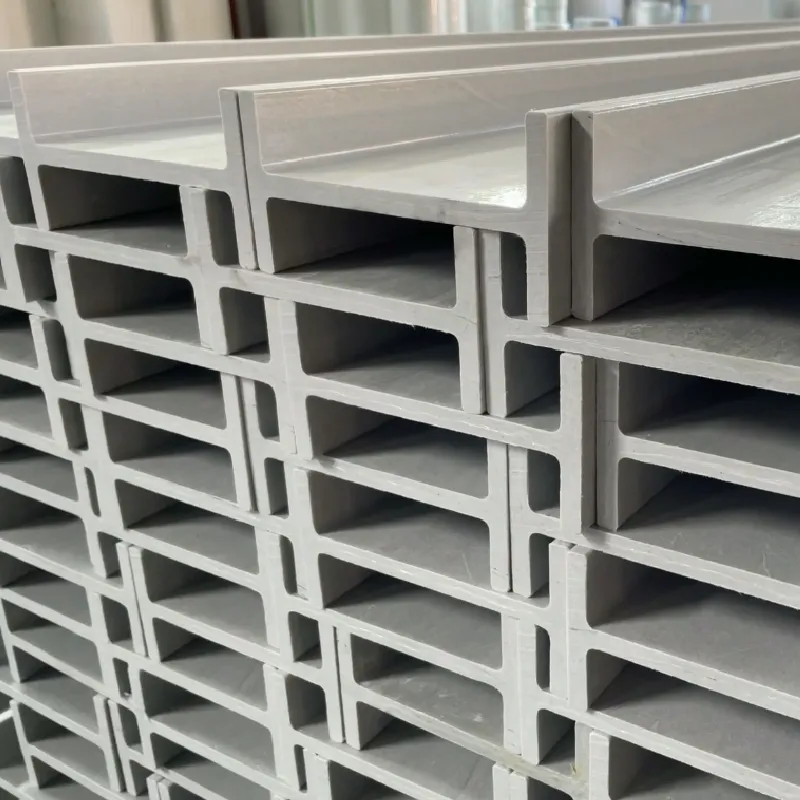
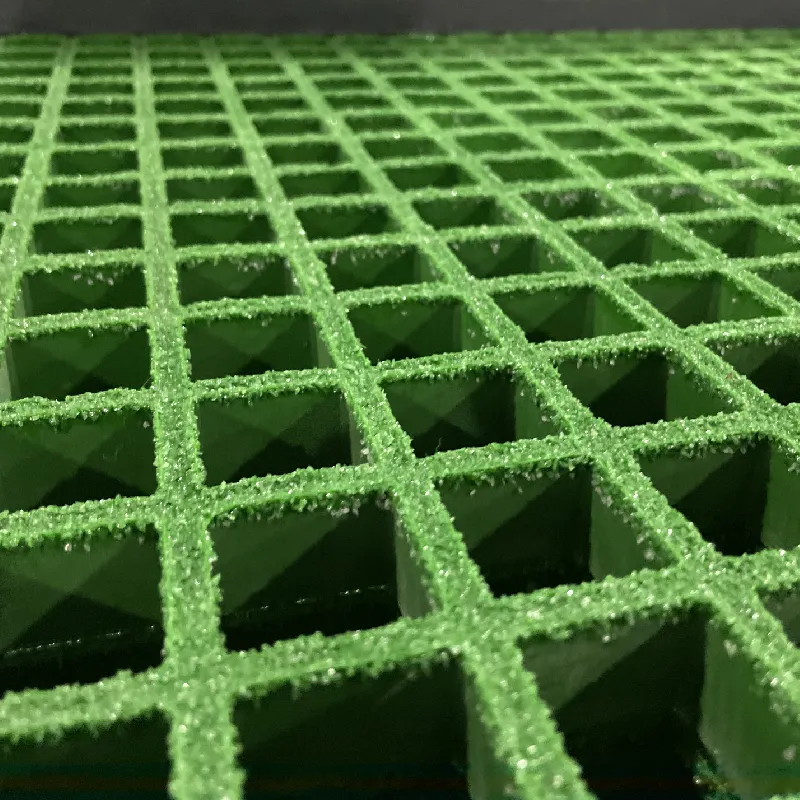
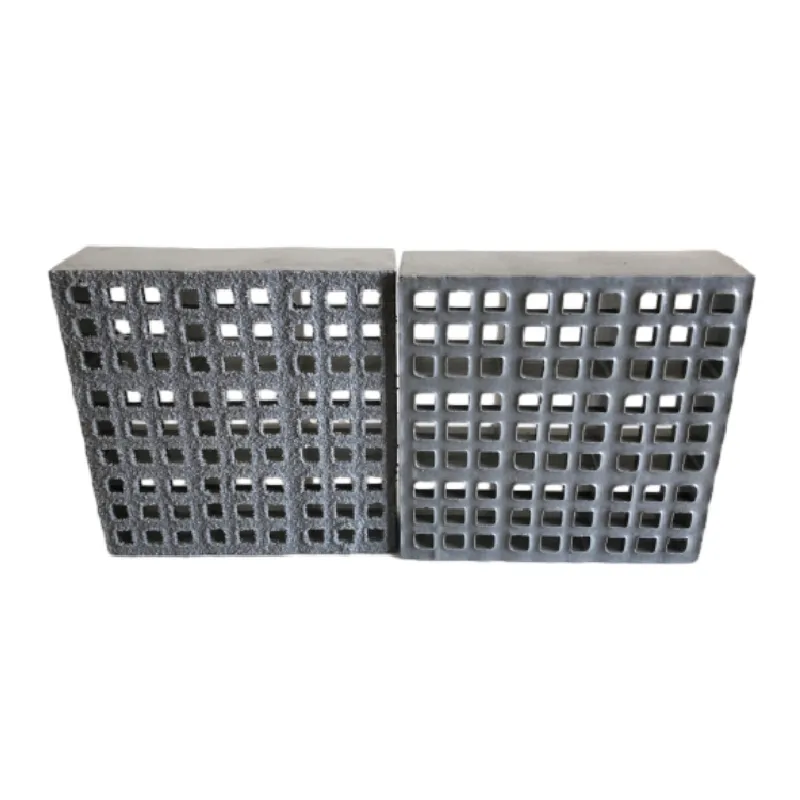
In Bolivia, the industrial sector, particularly mining and agriculture, faces severe equipment degradation due to the high mineral content in the soil and water. Traditional steel structures frequently fail in the Altiplano region, leading to a surge in demand for fiberglass grating which provides superior corrosion resistance and structural integrity.

Water scarcity and contamination in rural areas have made the implementation of a reliable well water purification system a critical priority for both municipal governments and private enterprises. The transition from basic filtration to advanced chemical treatment is currently underway.

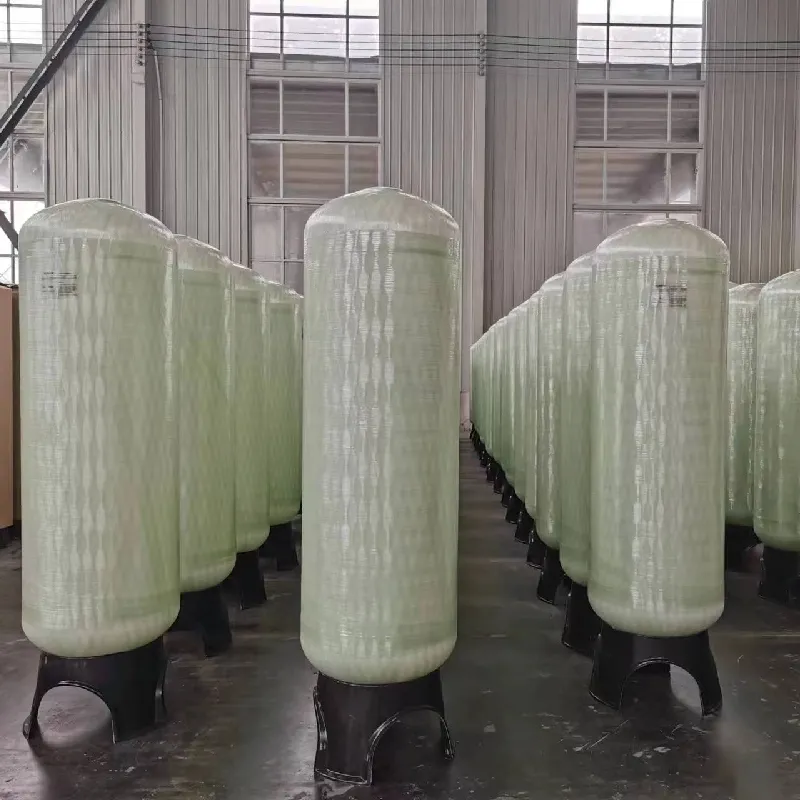
Furthermore, the adoption of pentair frp vessels has become an industry standard for pressure filtration in Bolivian water plants, as these lightweight, high-strength vessels eliminate the risk of rust common in metal tanks used in humid tropical zones like Santa Cruz.
Evolution of Composite Infrastructure in Bolivia

From basic carbon steel to high-performance FRP polymers.

Market Development History

Between 1990 and 2005, the Bolivian industrial landscape relied almost exclusively on galvanized steel. However, the extreme pH levels in mining runoff caused rapid oxidation, necessitating a shift toward non-metallic alternatives.

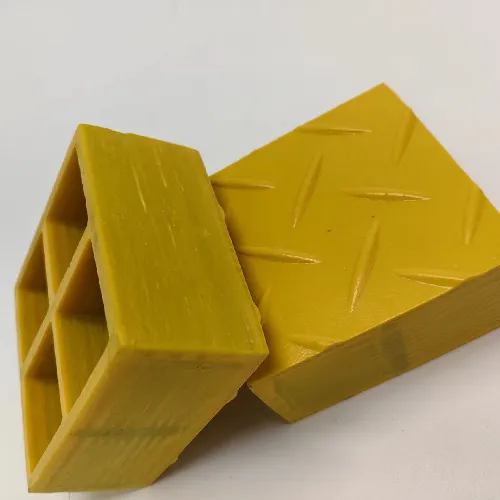
From 2006 to 2015, the market witnessed the introduction of fibreglass grating in chemical processing plants. This period marked the first large-scale realization that composite materials could reduce maintenance costs by up to 60% compared to metal.

Since 2016, the focus has shifted toward integrated water management. The deployment of modular pentair frp vessels allowed for rapid scalability in water treatment projects across different altitudes, from La Paz to the Amazonian basin.

Future Development Trends

Smart Composite Monitoring

Integration of IoT sensors within FRP structures to monitor structural health in real-time, especially for bridges and platforms in seismic zones.

Advanced Membrane Integration

Combining FRP vessels with nano-filtration membranes to enhance the efficiency of any well water purification system for heavy metal removal.

Eco-Friendly Resin Systems

Transitioning toward bio-based resins to reduce the carbon footprint of fiberglass production, aligning with Bolivia's environmental protection laws.

Industry Trends and Future Outlook

Predicting the trajectory of non-metallic mineral products in the South American market.

Corrosion-Free Infrastructure
Accelerated replacement of steel with FRP in saline and acidic environments to extend lifecycle.
Modular Water Systems
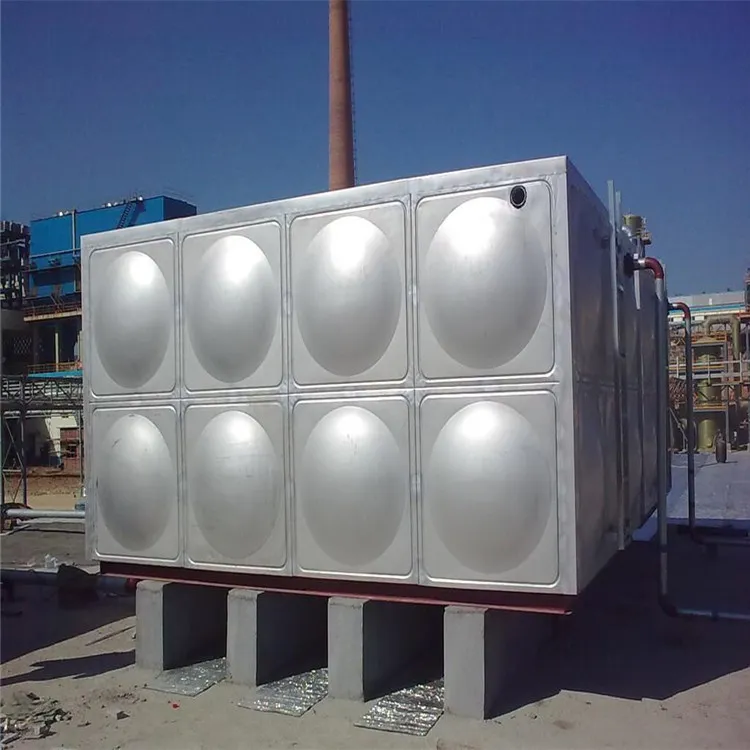
Shift toward prefabricated, rapid-deploy purification units for remote Bolivian communities.
High-Pressure Optimization
Development of reinforced vessels capable of handling higher pressure loads for deep-well extraction.
Sustainable Sourcing
Adopting recyclable fiberglass components to meet new South American green building standards.

Industry Outlook

Google search trends indicate a rising interest in "sustainable water infrastructure" within Bolivia. This suggests that the market is moving away from temporary fixes toward long-term, sustainable installations using FRP. We expect a 15% CAGR in the demand for composite water vessels over the next 3 years.

The synergy between chemical-resistant gratings and advanced filtration vessels will create a holistic approach to industrial plant design, ensuring that both the walking surfaces and the water processing lines are immune to the harsh environmental conditions of the Andes.

Local Application Scenarios in Bolivia

Real-world implementations of FRP and water treatment technologies.

01. Lithium Extraction Plants in Potosí

Using fiberglass grating for walkways and platforms to resist highly alkaline brine solutions used in lithium processing.

02. Rural Community Wells in Altiplano

Implementing a complete well water purification system to remove arsenic and fluoride from groundwater for safe drinking.

03. Industrial Wastewater Plants in Santa Cruz

Deploying pentair frp vessels for large-scale sand and carbon filtration to treat industrial runoff before discharge.

04. Mining Tailings Management in Oruro

Utilizing fibreglass grating for drainage covers and maintenance access in corrosive tailings ponds.

05. Agricultural Irrigation Hubs in the Lowlands

Installing integrated water treatment for well water to prevent mineral buildup in high-efficiency drip irrigation systems.

Brand Story

Global Development Journey of Zhaojia (Xingtai) Composite Materials Co., Ltd.

Founding Vision

Established with a mission to replace decaying metal infrastructure with high-performance composites, focusing on extreme environment durability.

Technical Breakthrough

Developed a proprietary resin infusion process that increased the load-bearing capacity of FRP gratings by 25%.

Global Expansion

Expanded operations into South America, tailoring product specifications to meet the unique atmospheric pressures of the Andes.

Water Solution Integration

Diversified into water purification, combining FRP vessel manufacturing with systemic filtration expertise.

Industry Leadership

Recognized as a leading provider of non-metallic mineral products, committed to sustainable and corrosion-free engineering.

Frequently Asked Questions in Bolivia

Technical guidance for composite and water treatment applications.

How does fiberglass grating perform in high-altitude UV exposure in Bolivia?

Our gratings are manufactured with a UV-inhibited resin layer that prevents degradation and discoloration even under the intense solar radiation of the Bolivian Altiplano.

What is the lifespan of a well water purification system in mining areas?

When utilizing FRP components and proper filtration media, our systems typically last 15-20 years, significantly outperforming traditional steel systems in corrosive environments.

Are pentair frp vessels suitable for extreme pressure changes?

Yes, these vessels are engineered to withstand high internal pressure and are structurally stable regardless of external atmospheric pressure changes common in Bolivia.

Can fibreglass grating be used for heavy machinery platforms?

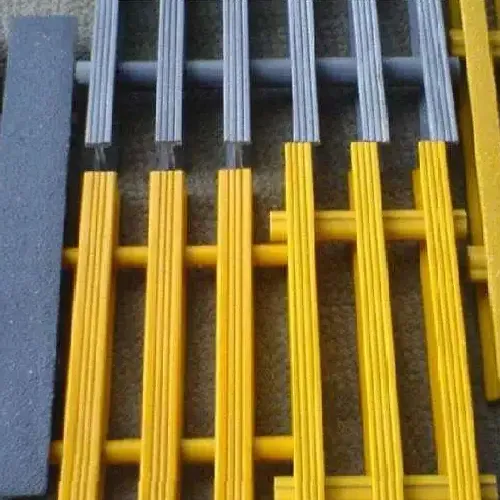
Absolutely. We provide high-load capacity molded and pultruded gratings specifically designed for industrial machinery support and heavy foot traffic.

What is the best water treatment for well water containing high minerals?

A combination of ion exchange resins and multi-stage filtration within FRP vessels is the most effective way to manage hard water and mineral contamination.

How do I install a well water purification system in remote locations?

Our systems are designed for modular installation. The lightweight nature of FRP vessels makes transport to remote Bolivian sites easier and faster than metal alternatives.

Get Expert Consultation Today

Ready to upgrade your industrial infrastructure? Our specialists are available to provide customized FRP and water treatment solutions for your projects in Bolivia.

Contact Us Now

If you are interested in our products, you can choose to leave your information here, and we will be in touch with you shortly.