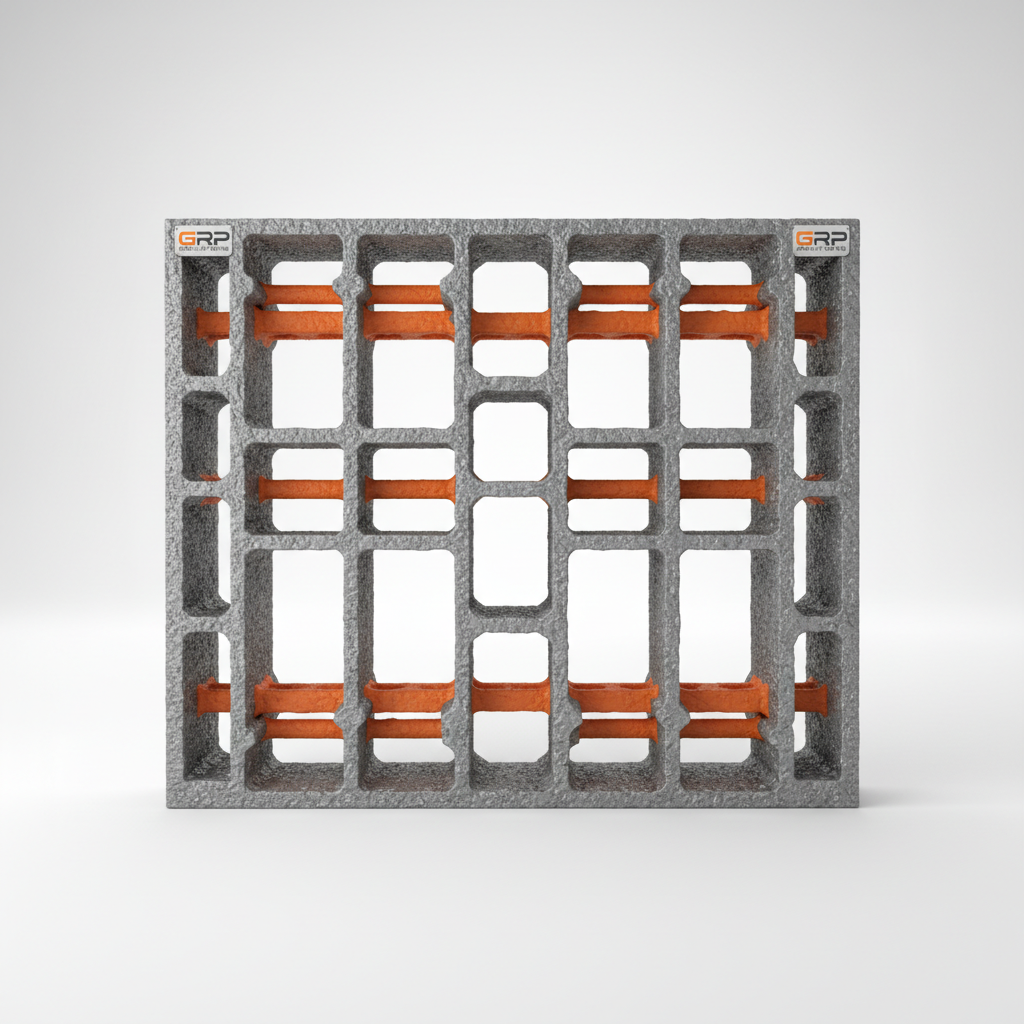
grp mesh grating is rapidly becoming a critical material in modern infrastructure and industrial applications. Its unique combination of high strength, lightweight properties, and corrosion resistance addresses growing demands for durable and sustainable building solutions worldwide. From offshore platforms to wastewater treatment facilities, and increasingly in architectural applications, grp mesh grating offers a versatile and cost-effective alternative to traditional materials like steel and aluminum.
The global market for composite materials, including grp mesh grating, is experiencing significant growth, driven by factors such as stringent safety regulations, the need for reduced maintenance costs, and increasing awareness of environmental sustainability. This growth is particularly pronounced in developing economies undergoing rapid industrialization, creating substantial opportunities for manufacturers and suppliers of this innovative product.
Understanding the properties, applications, and future trends of grp mesh grating is crucial for engineers, architects, facility managers, and anyone involved in the design, construction, and maintenance of modern infrastructure. It allows for informed decision-making and the implementation of solutions that enhance safety, longevity, and cost-effectiveness.
Introduction to grp mesh grating
grp mesh grating represents a significant advancement in material science, offering a unique blend of properties that are well-suited for a wide range of demanding applications. It’s constructed from glass fibers reinforced with a polymer matrix – typically polyester, vinyl ester, or epoxy resin – resulting in a lightweight yet exceptionally strong and durable product. This inherent strength-to-weight ratio is a defining characteristic.
Its non-conductive nature and inherent corrosion resistance further expand its applicability to environments where traditional materials would quickly degrade or pose safety hazards. The modular design of grp mesh grating allows for easy installation and customization, offering a flexible solution for diverse project requirements. grp mesh grating is becoming a material of choice for industries prioritizing safety and longevity.
Global Relevance and Industry Context
The demand for grp mesh grating is inextricably linked to global infrastructure development and the ongoing need for sustainable building materials. According to the United Nations, global infrastructure investment is projected to reach $79 trillion by 2040, driving demand for innovative materials capable of withstanding harsh environments and minimizing lifecycle costs. GRP mesh grating directly addresses these needs.
The ISO standards related to composite materials are becoming increasingly stringent, reflecting a growing emphasis on quality control and performance reliability. This trend benefits manufacturers of high-quality grp mesh grating who adhere to these standards, ensuring their products meet the demands of critical applications. The World Bank also highlights the importance of resilient infrastructure in developing nations, where grp mesh grating can offer a cost-effective and durable solution.
A significant challenge facing industries worldwide is corrosion, which causes billions of dollars in damage annually. GRP mesh grating's inherent corrosion resistance mitigates this issue, reducing maintenance costs and extending the lifespan of infrastructure projects. This makes it particularly relevant in sectors like oil and gas, chemical processing, and marine environments.
Defining grp mesh grating
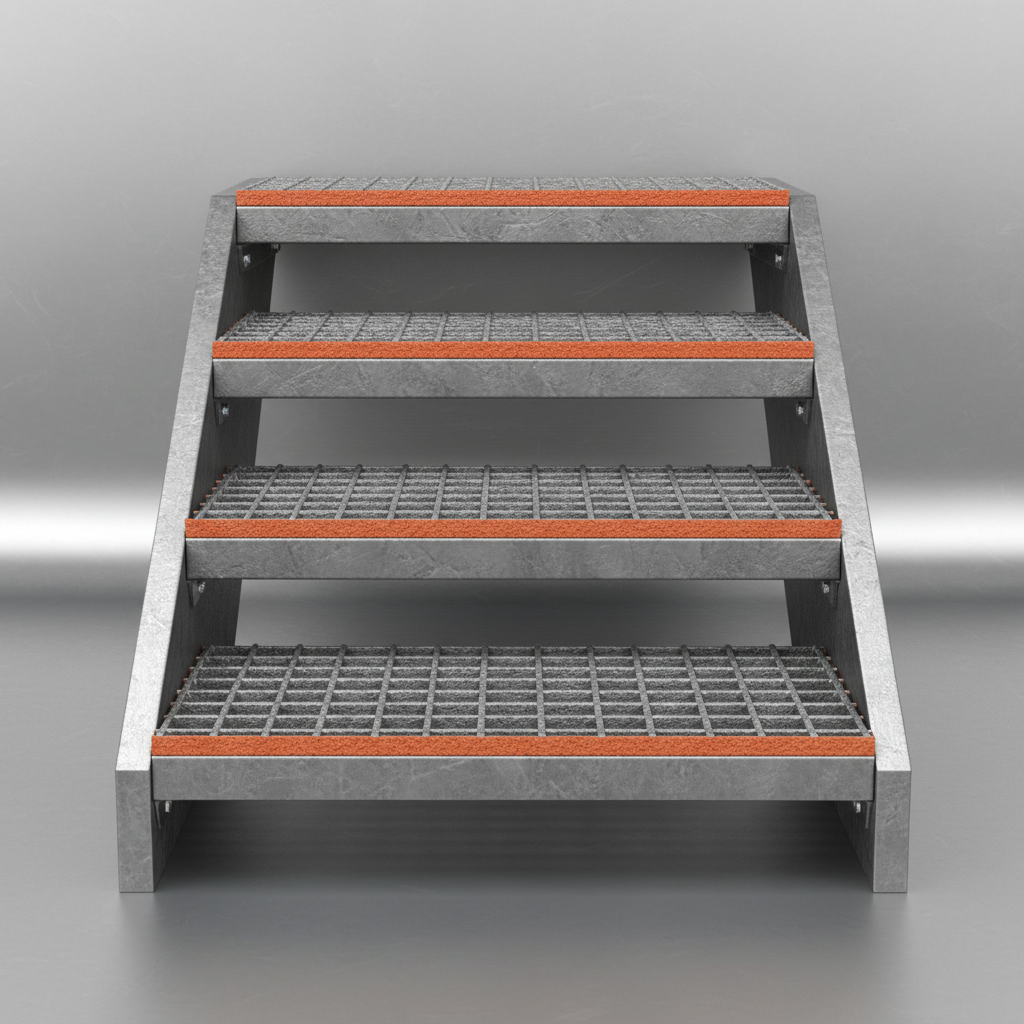
grp mesh grating is a prefabricated structural product commonly used as flooring, walkways, stair treads, and drainage systems. It’s formed by interweaving glass fibers in a grid pattern, which are then saturated with a resin matrix. This process creates a highly durable and dimensionally stable composite material. The ‘grp’ designation stands for Glass Reinforced Plastic, clarifying its core composition.
This material differs significantly from traditional metal grating, offering advantages in terms of weight, corrosion resistance, and safety. Unlike steel, grp mesh grating is non-conductive, reducing the risk of electrical hazards, and it does not rust or require painting. This inherent safety and low maintenance make it ideal for various industrial and public applications.
The connection to modern industry stems from the increasing need for materials that can withstand harsh chemical environments, reduce operational downtime, and contribute to sustainable practices. In humanitarian contexts, its lightweight and rapid deployability make it a valuable asset in temporary structures and emergency response situations.
Key Factors of grp mesh grating
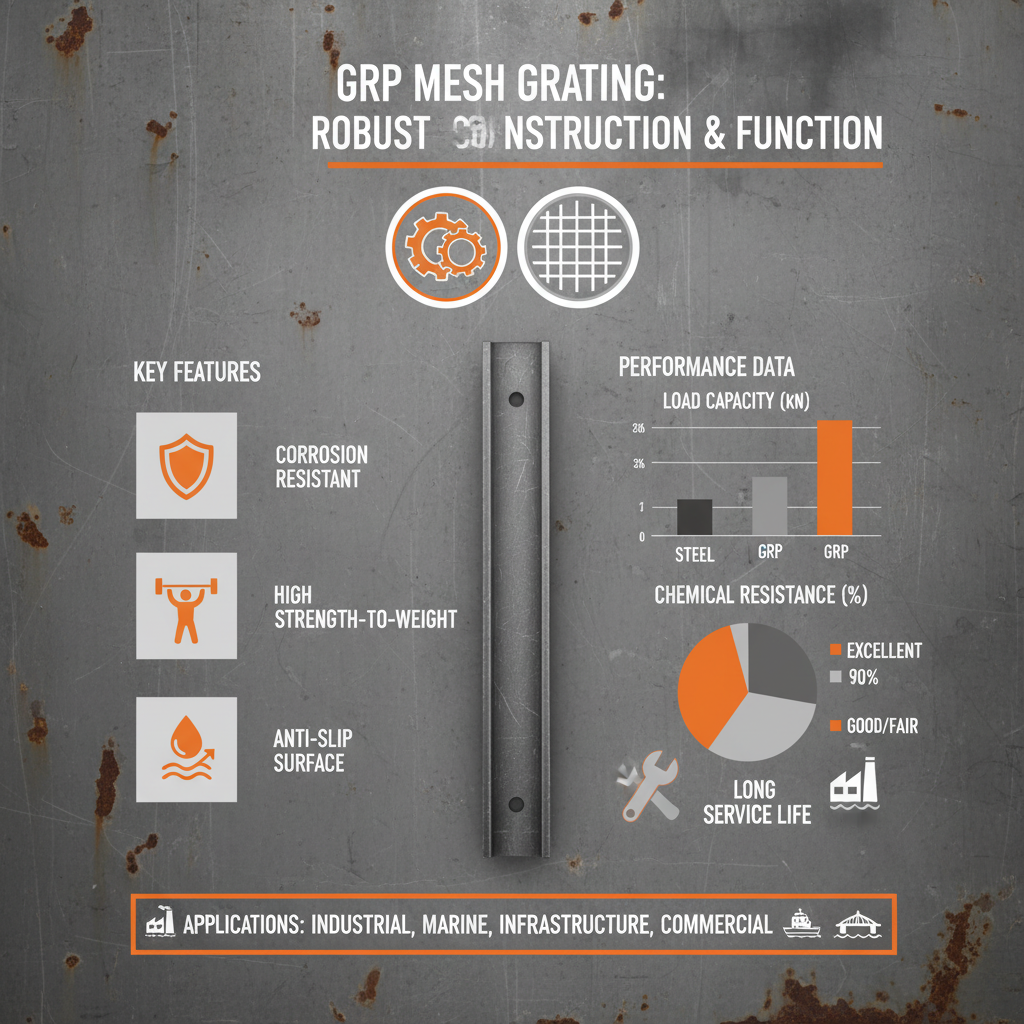
One of the key aspects of grp mesh grating is its exceptional Durability. The glass fibers provide high tensile strength, while the resin matrix protects them from environmental damage, resulting in a long service life even in demanding conditions. This translates to lower lifecycle costs and reduced replacement frequency.
Corrosion Resistance is another crucial factor. Unlike steel which is susceptible to rust and corrosion, grp mesh grating is impervious to many corrosive chemicals and saltwater environments, making it ideal for marine applications, wastewater treatment plants, and chemical processing facilities. grp mesh grating excels here.
Performance Metrics of grp mesh grating Production Methods
Global Applications and Use Cases
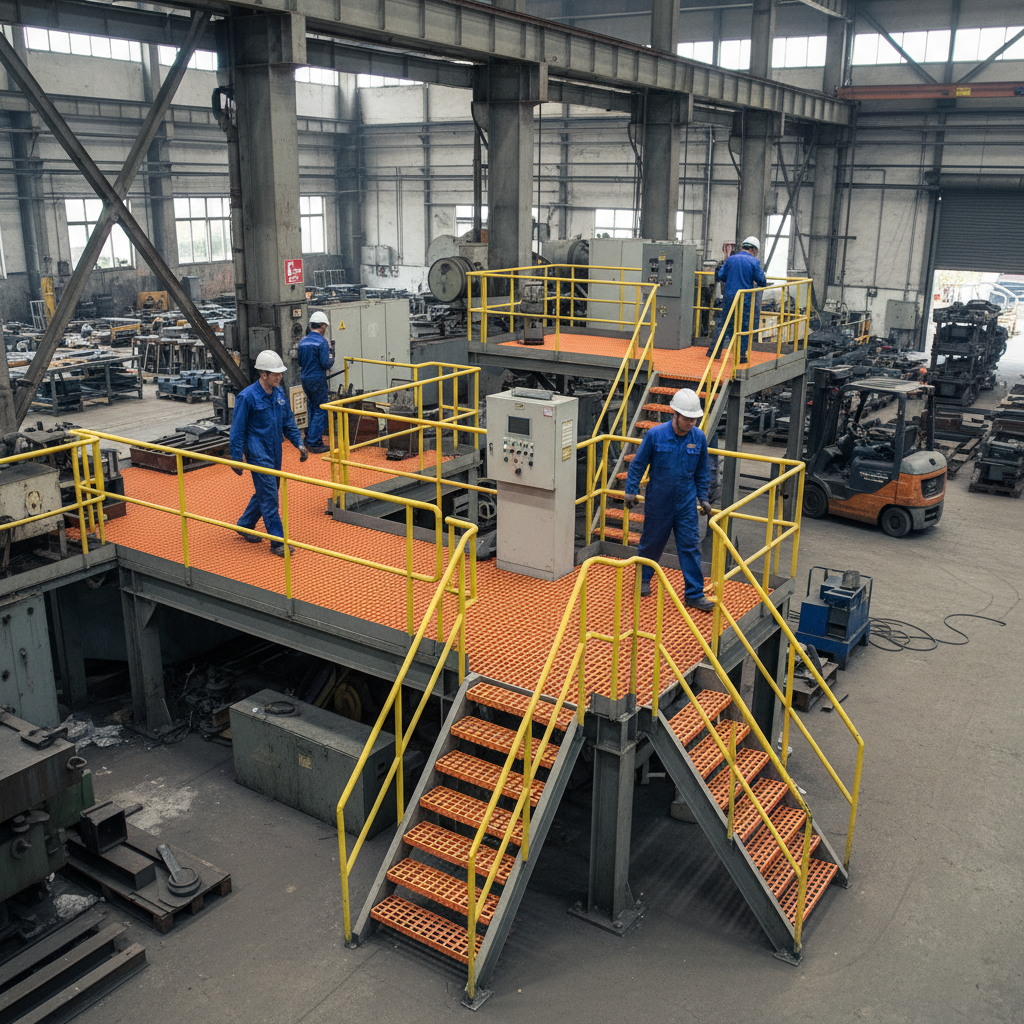
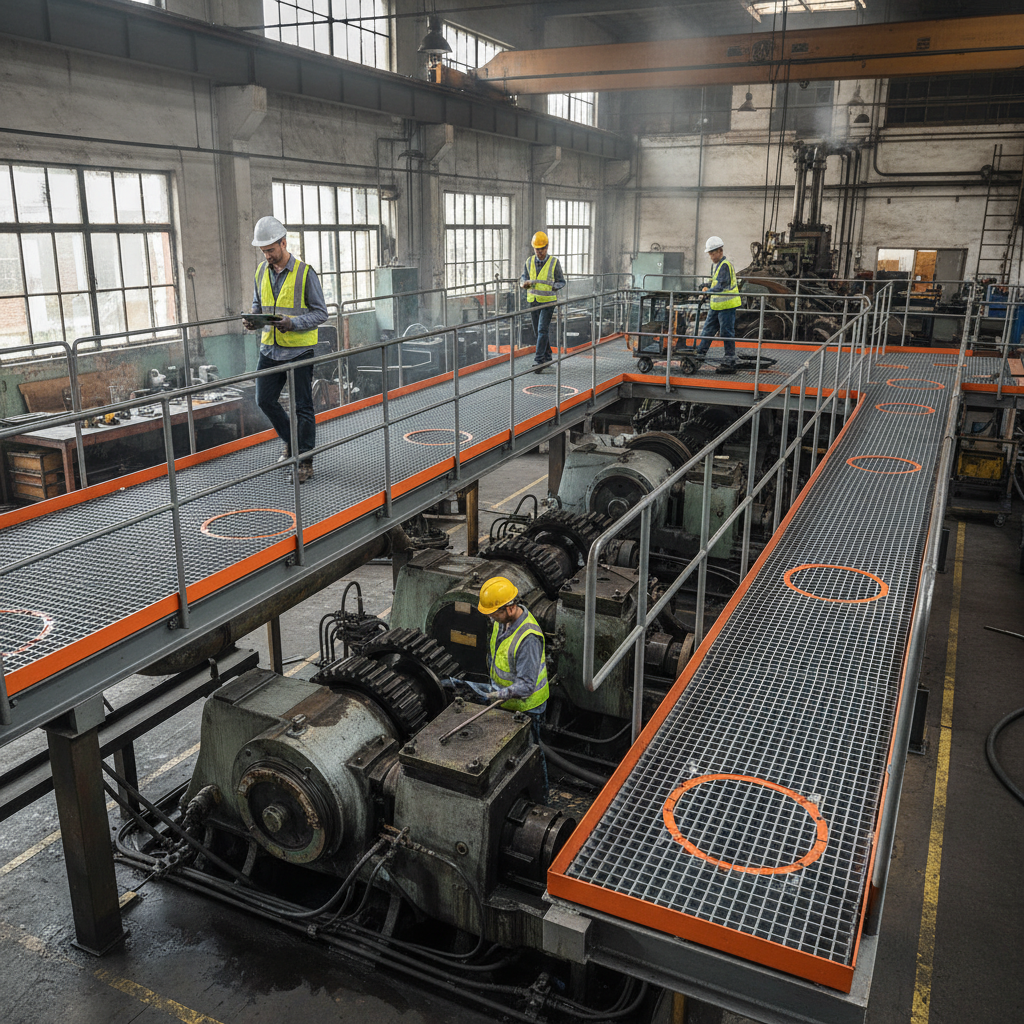
grp mesh grating finds extensive application in the chemical processing industry, where its corrosion resistance protects against harsh chemical exposure, extending the lifespan of walkways and platforms. In wastewater treatment facilities, it provides a safe and durable walking surface that resists degradation from wastewater and cleaning chemicals.
Offshore oil and gas platforms rely heavily on grp mesh grating due to its lightweight nature and resistance to saltwater corrosion, reducing maintenance requirements and ensuring worker safety. In post-disaster relief operations, grp mesh grating can be rapidly deployed as temporary flooring and walkways, providing safe and stable access in challenging environments. In remote industrial zones where access to repair facilities is limited, its durability minimizes downtime.
Advantages and Long-Term Value
The cost-effectiveness of grp mesh grating extends beyond the initial purchase price. Reduced maintenance requirements, a longer service life, and decreased downtime translate to significant long-term savings. Furthermore, the lightweight nature of the material lowers installation costs and simplifies transportation.
From a sustainability perspective, grp mesh grating offers a reduced carbon footprint compared to traditional materials like steel. Its durability minimizes waste, and its resistance to corrosion eliminates the need for frequent repainting and chemical treatments. These factors contribute to a more environmentally responsible approach to infrastructure development.
Future Trends and Innovations
Ongoing research and development are focused on enhancing the mechanical properties of grp mesh grating through the incorporation of advanced resin systems and fiber reinforcements. Nanotechnology is showing promise in creating even stronger and more durable composites. Smart grp mesh grating systems incorporating sensors for structural health monitoring are also being explored.
The integration of digital technologies, such as Building Information Modeling (BIM), is streamlining the design and installation of grp mesh grating systems, improving accuracy and efficiency. A growing emphasis on circular economy principles is driving the development of recycling technologies for composite materials, further enhancing the sustainability of grp mesh grating.
Challenges and Solutions
One of the primary challenges associated with grp mesh grating is the perception of higher upfront cost compared to traditional materials. However, a thorough lifecycle cost analysis often reveals that grp mesh grating offers superior value due to its reduced maintenance and extended service life.
Another challenge is the need for specialized cutting and installation techniques. Providing comprehensive training and certification programs for installers can address this issue, ensuring proper installation and maximizing the performance of the material. Developing standardized design guidelines and specifications can also simplify the implementation process.
Improving public awareness of the benefits of grp mesh grating is essential to driving wider adoption. Demonstration projects and case studies showcasing successful applications can help overcome skepticism and promote the use of this innovative material.
Summary of Common Issues and Mitigation Strategies for grp mesh grating
| Issue |
Severity (1-10) |
Mitigation Strategy |
Implementation Cost (1-10) |
| High Initial Cost |
6 |
Lifecycle Cost Analysis |
2 |
| Specialized Installation |
7 |
Installer Training & Certification |
5 |
| Limited Public Awareness |
5 |
Case Studies & Demonstration Projects |
4 |
| Cutting & Fabrication Complexity |
6 |
Specialized Tools & Techniques |
6 |
| UV Degradation (Certain Resins) |
4 |
UV-Resistant Resin Formulations |
3 |
| Repair Challenges |
5 |
Specialized Repair Kits & Techniques |
5 |
FAQS
grp mesh grating offers significant advantages over steel including its lightweight nature (reducing installation costs and structural support needs), corrosion resistance (eliminating the need for painting and maintenance), non-conductivity (enhancing safety in electrical environments), and higher strength-to-weight ratio. These benefits translate to long-term cost savings and improved safety.
The performance of grp mesh grating in extreme temperatures depends on the resin system used. Generally, it can withstand temperatures ranging from -40°C to 80°C (-40°F to 176°F). Some specialized resin formulations can handle even higher or lower temperatures, making it suitable for specific applications. Prolonged exposure to extreme temperatures may affect its mechanical properties over time.
Yes, certain types of grp mesh grating, specifically those made with vinyl ester resins, are approved for use in food processing facilities as they meet stringent hygiene and safety standards. These resins are non-toxic, non-absorbent, and resistant to cleaning chemicals commonly used in food processing environments. Verification of NSF or FDA compliance is crucial.
With proper installation and maintenance, a grp mesh grating installation can have a lifespan of 25-30 years or even longer. Its inherent corrosion resistance and durability minimize the need for repairs and replacements, resulting in a long service life. However, factors such as UV exposure, chemical exposure, and mechanical stress can influence its longevity.
Installation typically involves cutting the grp mesh grating to size and securing it to a supporting structure using fasteners, adhesives, or a combination of both. Specialized tools like diamond-blade saws, angle grinders with abrasive wheels, and drilling equipment are recommended. Proper safety precautions, including wearing appropriate personal protective equipment, are essential during installation.
grp mesh grating offers environmental benefits due to its long lifespan, reduced maintenance needs, and lower carbon footprint compared to steel. However, the end-of-life disposal of composite materials remains a challenge. Efforts are underway to develop recycling technologies for grp, and responsible disposal practices are encouraged to minimize environmental impact.
Conclusion
grp mesh grating represents a paradigm shift in materials science, offering a compelling combination of durability, corrosion resistance, safety, and cost-effectiveness. Its increasing adoption across diverse industries underscores its value in addressing critical infrastructure challenges and promoting sustainable practices. The benefits extend beyond immediate cost savings, encompassing reduced maintenance, enhanced safety, and environmental responsibility.
Looking ahead, continued innovation in resin formulations, fiber reinforcements, and manufacturing processes will further enhance the performance and versatility of grp mesh grating. Embracing this technology is not merely a material upgrade; it’s an investment in resilient, sustainable, and efficient infrastructure for the future. For more information and to explore our range of grp mesh grating solutions, visit our website: www.zjcomposites.com.