grp grating panels are increasingly vital in modern infrastructure and industrial applications. Their unique combination of strength, corrosion resistance, and lightweight properties makes them a superior alternative to traditional materials like steel in many scenarios. From offshore platforms and wastewater treatment plants to walkways and architectural features, grp grating panels are enabling safer, more durable, and cost-effective solutions across various sectors.
The global demand for grp grating panels is driven by the need for sustainable and long-lasting infrastructure, particularly in harsh environments. Factors such as increasing industrialization, stringent safety regulations, and a growing awareness of life-cycle costs are fueling market growth. The panels address critical challenges related to maintenance, replacement costs, and worker safety, making them an attractive investment for businesses and governments alike.
Understanding the nuances of grp grating panels – from material composition and manufacturing processes to installation techniques and long-term performance – is crucial for maximizing their benefits. This knowledge empowers engineers, architects, and facility managers to select the optimal grating solution for their specific needs, leading to significant improvements in operational efficiency and overall project success.
Introduction to grp grating panels
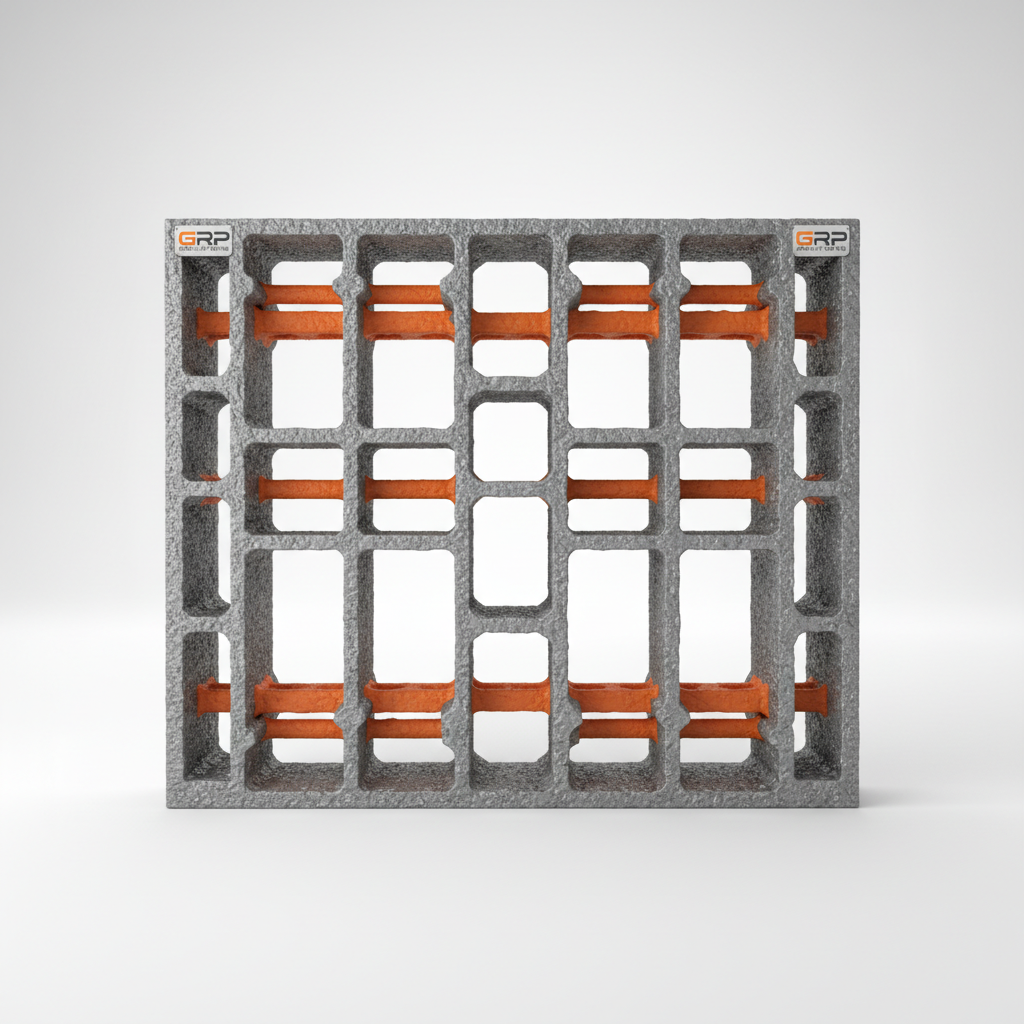
grp grating panels, or glass-reinforced polymer grating panels, are engineered structural components designed to provide safe and durable walking surfaces, ventilation, and drainage solutions. They are fabricated by interlacing glass fibers in a resin matrix, typically polyester, vinyl ester, or epoxy, creating a robust and corrosion-resistant product. This construction method offers a significant advantage over traditional materials in harsh environments.
These panels are a testament to materials science innovation, offering a compelling solution to the challenges faced by industries requiring resilient and low-maintenance infrastructure. The customizable nature of grp grating panels allows for tailored solutions that meet specific load-bearing requirements, chemical resistance needs, and aesthetic preferences. grp grating panels are becoming increasingly essential in building and maintaining safe and efficient facilities.
Defining grp grating panels
grp grating panels are composite materials formed by combining a reinforcing matrix of glass fibers with a polymer resin. This combination creates a product that is remarkably strong, lightweight, and resistant to corrosion, making it ideal for challenging environments. Unlike traditional metal gratings, grp does not rust, rot, or conduct electricity, enhancing safety and reducing maintenance costs.
The manufacturing process typically involves laying the glass fibers in a specific pattern, then saturating them with the resin. This composite structure provides high tensile strength and dimensional stability. grp grating panels can be molded into various mesh sizes and thicknesses, adapting to diverse application requirements.
Their relevance extends beyond industrial settings; grp grating panels are becoming increasingly popular in architectural applications where aesthetics, durability, and safety are paramount. The versatility of the material allows for creative designs and innovative solutions in both functional and decorative contexts.
Core Components of grp grating panels
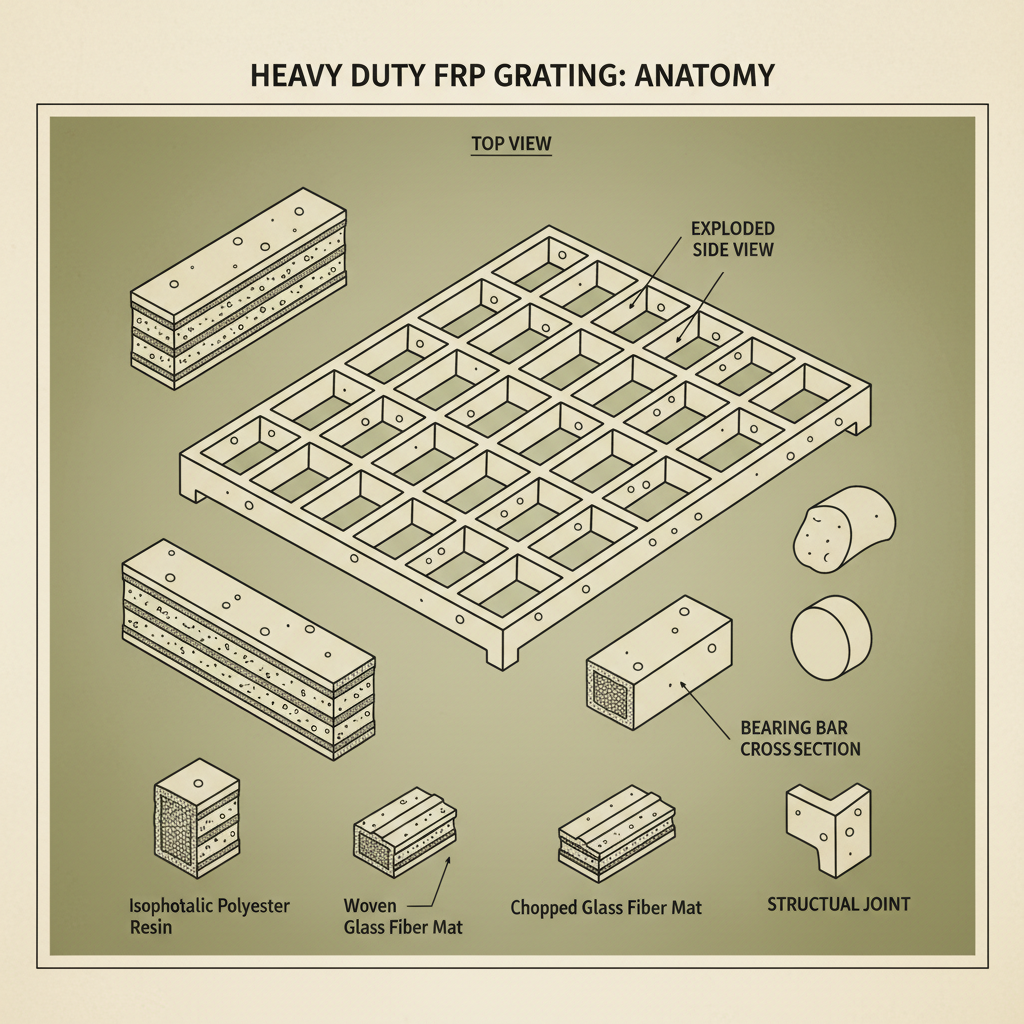
The performance of grp grating panels is directly tied to the quality and composition of its core components. These panels primarily consist of three key elements: glass fibers, resin, and surface coverings. The glass fibers provide the structural strength, acting as the reinforcement within the composite.
The resin matrix – typically polyester, vinyl ester, or epoxy – binds the glass fibers together and distributes loads evenly throughout the panel. Each resin type offers unique properties; polyester is cost-effective, vinyl ester provides superior chemical resistance, and epoxy delivers the highest strength and stiffness. The selection of the appropriate resin is crucial for ensuring the panel's suitability for its intended application.
Finally, a surface covering, often a veil or resin-rich layer, protects the glass fibers from environmental damage and enhances the panel’s resistance to abrasion and UV degradation. This layer also contributes to the overall aesthetic appearance of the grp grating panel.
Key Advantages of grp grating panels
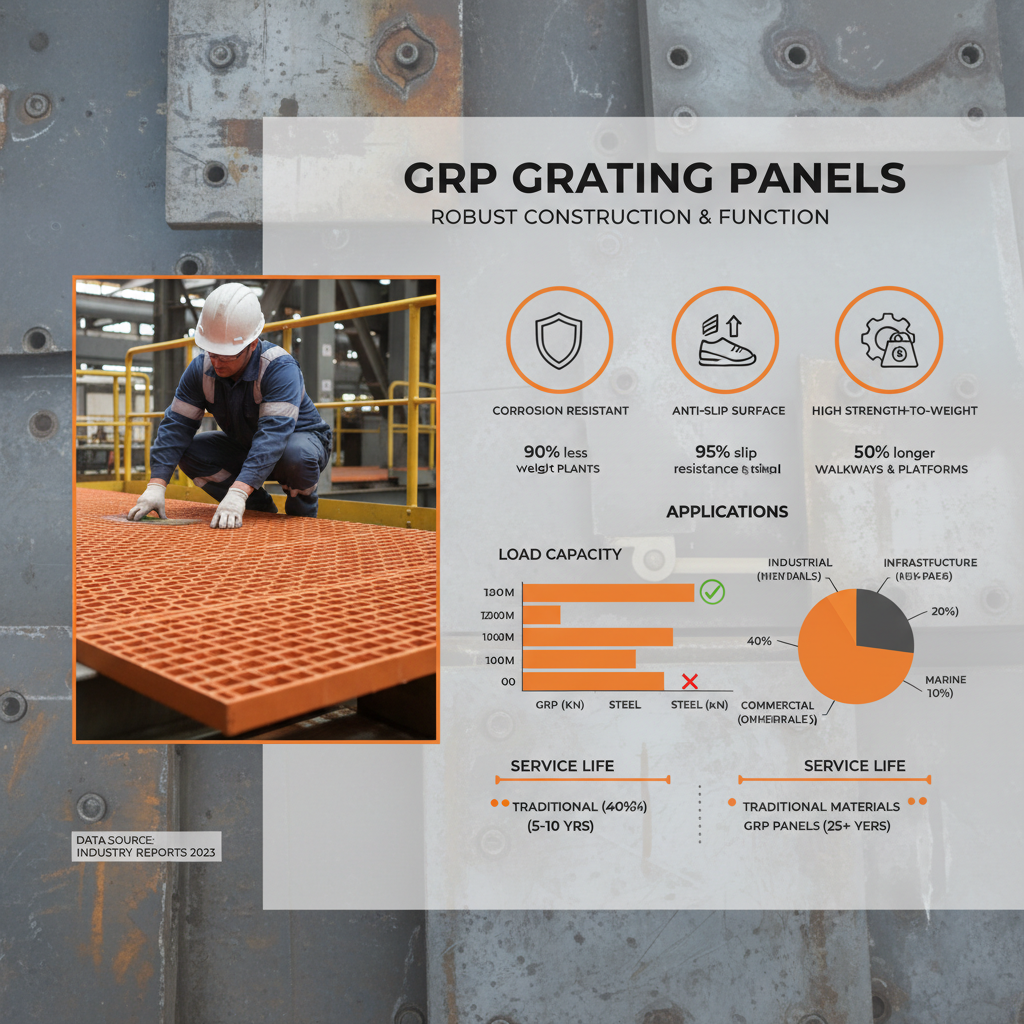
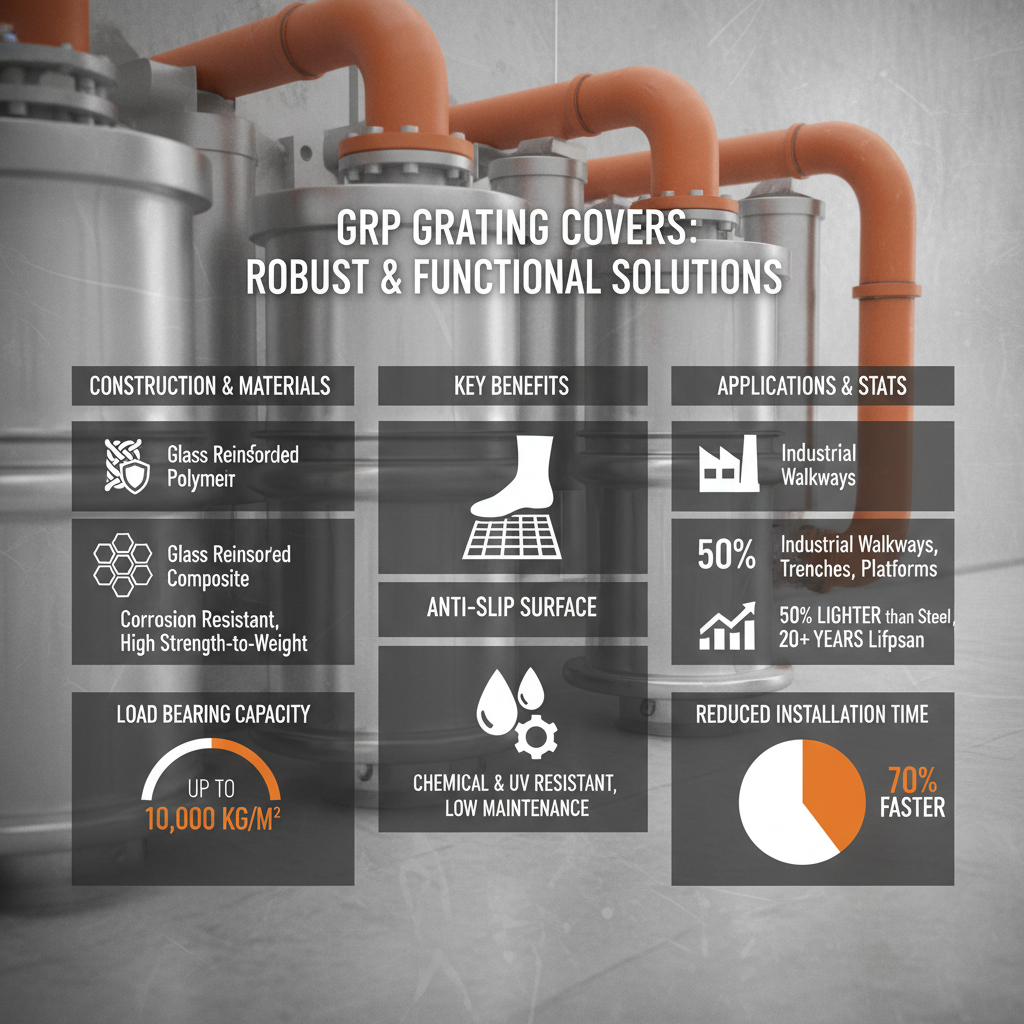
grp grating panels offer a compelling set of advantages over traditional materials like steel and aluminum. The most significant benefit is their exceptional corrosion resistance, which dramatically reduces maintenance costs and extends the lifespan of the infrastructure. This is especially critical in marine environments, chemical processing plants, and wastewater treatment facilities.
Another key advantage is their lightweight nature. grp grating panels are considerably lighter than steel, simplifying installation, reducing structural support requirements, and lowering transportation costs. This makes them particularly suitable for projects in remote locations or where lifting capacity is limited.
Performance Metrics of Different grp grating panels Manufacturing Methods
Global Applications and Use Cases
grp grating panels find extensive application across a diverse range of industries globally. In the oil and gas sector, they are used extensively on offshore platforms, providing safe and reliable walkways and work surfaces in corrosive marine environments. Wastewater treatment plants leverage their corrosion resistance for platforms, stair treads, and handrails.
In the chemical processing industry, grp grating panels provide a safe and durable solution for handling corrosive chemicals and maintaining a clean and safe working environment. They are also increasingly used in power generation facilities, pulp and paper mills, and food and beverage processing plants. In post-disaster relief operations, their lightweight and ease of installation make them ideal for temporary bridges and walkways.
Long-Term Value and Benefits
The long-term value of grp grating panels extends beyond their initial cost. Reduced maintenance requirements, thanks to their corrosion resistance, translate to significant cost savings over the lifespan of the product. Lower installation costs, due to their lightweight nature, further contribute to overall project economics.
Furthermore, the inherent safety features of grp – non-conductivity and slip-resistant surfaces – contribute to a safer working environment, reducing the risk of accidents and associated costs. The sustainability aspect, stemming from their extended lifespan and reduced need for replacements, also aligns with increasingly stringent environmental regulations and corporate social responsibility goals.
Choosing grp grating panels is not merely a material selection; it's an investment in long-term reliability, safety, and operational efficiency.
Future Trends and Innovations
The future of grp grating panels is marked by continued innovation in materials and manufacturing processes. Research is focused on developing new resin systems with enhanced strength, fire resistance, and UV protection. Nanotechnology is being explored to further improve the mechanical properties and durability of the composite material.
Digitalization and automation are also playing a role, with advanced robotics being used to optimize the manufacturing process and enhance quality control. The integration of smart sensors into grp grating panels will enable real-time monitoring of structural health, providing valuable data for predictive maintenance and ensuring long-term performance.
Sustainability will remain a key driver, with a growing emphasis on using recycled materials and developing bio-based resins to reduce the environmental impact of grp grating panels.
Core Factors Influencing the Selection of grp grating panels
| Application Environment |
Load Requirements |
Chemical Exposure |
Cost Considerations |
| Marine/Coastal (High Salt Exposure) |
Light Pedestrian Traffic (Score: 4) |
Moderate Chloride Resistance (Score: 7) |
Initial Cost – Moderate (Score: 6) |
| Chemical Processing Plant |
Heavy Industrial Equipment (Score: 9) |
High Chemical Resistance (Score: 10) |
Lifecycle Cost – Low (Score: 9) |
| Wastewater Treatment Facility |
Moderate Pedestrian & Equipment (Score: 6) |
High Sulfide Resistance (Score: 8) |
Maintenance Cost – Very Low (Score: 10) |
| Architectural Walkways |
Light Pedestrian Traffic (Score: 3) |
UV Resistance (Score: 7) |
Aesthetic Appeal – High (Score: 8) |
| Power Generation Facility |
Heavy Equipment & Personnel (Score: 8) |
Electrical Insulation (Score: 9) |
Safety Compliance – High (Score: 9) |
| Offshore Oil Platform |
Extreme Load & Impact (Score: 10) |
Severe Corrosion Resistance (Score: 10) |
Durability – Extremely High (Score: 10) |
FAQS
grp grating panels excel in corrosive environments due to their inherent resistance to rust and chemical degradation. Unlike steel, they don’t require expensive coatings or frequent maintenance, resulting in significant long-term cost savings. They are also lighter, making installation easier and reducing structural support needs. This combination of durability, reduced maintenance, and ease of use makes them a superior choice in aggressive environments like offshore platforms, wastewater treatment plants, and chemical processing facilities.
grp grating panels can be engineered to meet or exceed the load-bearing capacity of steel, depending on the specific resin system, fiber orientation, and panel thickness. Modern manufacturing techniques allow for precise control over these parameters, enabling the creation of panels suitable for a wide range of applications, including heavy industrial traffic and equipment loads. Proper design and installation are crucial to ensure optimal performance.
While grp materials can be susceptible to UV degradation over prolonged exposure, this can be effectively mitigated through the use of UV-resistant resin systems and surface coatings. Adding UV stabilizers to the resin matrix and applying a UV-protective veil layer significantly extends the lifespan of the grating panels, ensuring long-term performance even in direct sunlight.
The lifespan of a grp grating panel installation typically ranges from 20 to 30 years, often exceeding the lifespan of traditional materials like steel. This longevity is due to their exceptional corrosion resistance and low maintenance requirements. However, the actual lifespan can vary depending on the specific application, environmental conditions, and the quality of installation.
grp grating panels are generally considered combustible materials, however, flame retardant resins can be used during manufacturing to improve their fire resistance. The level of fire resistance varies depending on the resin type and the addition of flame retardants. It's important to consult with a qualified engineer to ensure the selected panels meet the required fire safety standards for the specific application.
grp grating panels offer several environmental advantages over traditional materials, including a longer lifespan, reduced maintenance, and lower life-cycle costs. Ongoing research focuses on developing more sustainable manufacturing processes and utilizing recycled materials in the production of grp. The reduced need for replacements also contributes to a lower environmental footprint.
Conclusion
grp grating panels represent a significant advancement in materials technology, offering a compelling combination of strength, durability, corrosion resistance, and cost-effectiveness. Their versatility and adaptability make them ideal for a wide range of applications, from industrial infrastructure to architectural features, contributing to safer, more sustainable, and more efficient environments. The benefits of choosing grp grating panels extend beyond initial investment, delivering long-term value through reduced maintenance, extended lifespan, and improved safety.
As industries continue to prioritize sustainability and lifecycle cost optimization, the demand for grp grating panels is poised for continued growth. Continued innovation in materials, manufacturing processes, and integration with smart technologies will further enhance their performance and expand their applications. Visit our website at www.zjcomposites.com to explore our extensive range of grp grating panel solutions and discover how we can help you meet your specific project needs.