
loading...
- No. 9, Xingyuan South Street, Dongwaihuan Road, Zaoqiang County, Hengshui, Hebei, China
- admin@zjcomposites.com
- +86 15097380338
- Welcome to visit our website!

Reliable FRP Grating Suppliers - Micro Mesh & Standard Solutions
Navigating the Landscape of FRP Grating: A Comprehensive Guide for B2B Stakeholders
Fiber Reinforced Polymer (FRP) grating has become an indispensable material in industrial and commercial sectors, offering a superior alternative to traditional materials like steel or aluminum. Its unique properties, including exceptional corrosion resistance, high strength-to-weight ratio, non-conductive nature, and extended service life, make it a preferred choice for a multitude of demanding environments. The global FRP grating market, valued at approximately USD 680 million in 2023, is projected to reach over USD 1.2 billion by 2032, driven by increasing demand from the chemical, oil & gas, and infrastructure sectors. This significant growth underscores the critical role of reliable frp grating suppliers in delivering high-performance solutions. For B2B decision-makers, understanding the nuances of FRP technology, manufacturing processes, and supplier capabilities is paramount to ensuring project success and long-term operational efficiency. This guide aims to provide a deep dive into these aspects, from technical specifications to application advantages, enabling informed procurement decisions and strategic partnerships. We will explore the latest industry trends, detailed product parameters, and best practices for selecting FRP grating, focusing on the Anti Slip and Factory Outlet Standard Mesh FRP GRP Grating, a prime example of advanced composite solutions. The insights provided herein are designed to equip engineers, procurement managers, and project leaders with the knowledge necessary to leverage FRP grating's full potential.
Industry Trends and Technological Evolution in Composite Grating
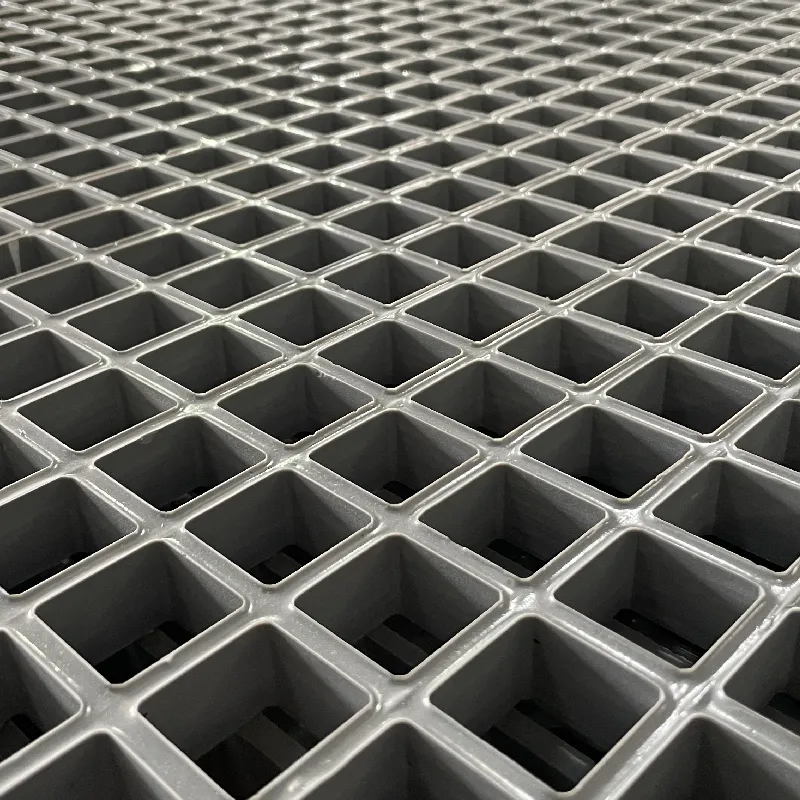
The landscape of composite materials is continually evolving, with significant advancements shaping the offerings from leading frp grating suppliers. A key trend is the increasing emphasis on lightweight, high-strength composites that reduce transportation costs and simplify installation without compromising structural integrity. Sustainability is another driving force, pushing manufacturers to develop more eco-friendly resins and production processes. Automation and smart manufacturing techniques, including advanced pultrusion and molding processes, are enhancing production efficiency, consistency, and cost-effectiveness. Furthermore, specialized products like frp micro mesh grating are gaining prominence. This particular type of grating features a smaller open area, typically less than 15mm x 15mm, offering enhanced pedestrian safety, preventing small tools and objects from falling through, and providing a more comfortable walking surface for sensitive applications. This design is crucial in environments where fall-through protection is critical, such as wastewater treatment plants, food processing facilities, and areas with high foot traffic or delicate equipment. The integration of anti-slip surfaces, often achieved through grit tops or concave profiles, is now standard across high-quality FRP grating, addressing a primary safety concern in industrial settings. These innovations reflect a market demand for highly specialized, safer, and more durable solutions, positioning advanced composite products as essential for modern infrastructure development and facility maintenance.
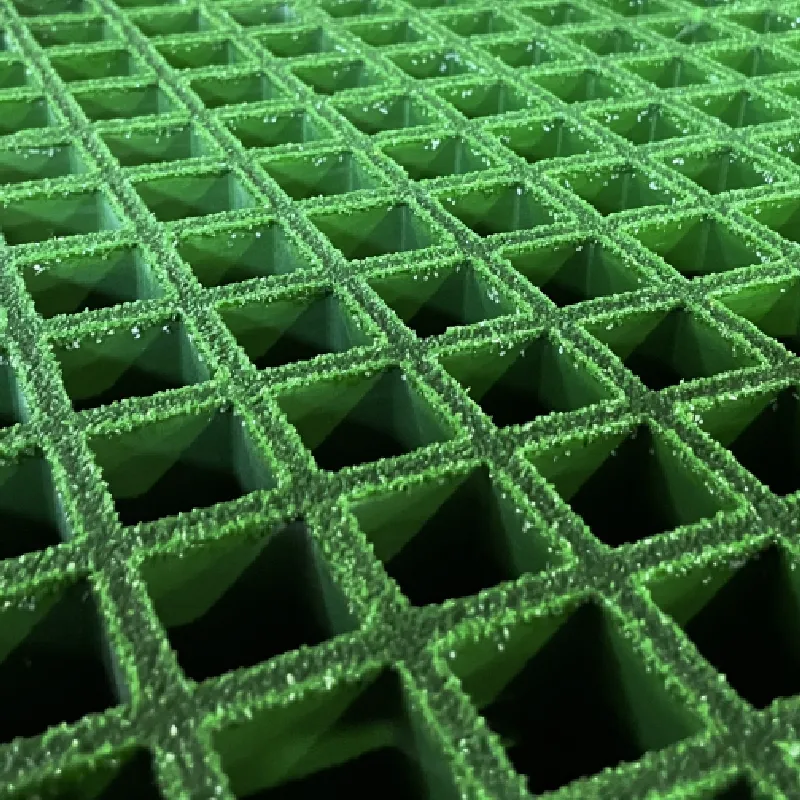
The drive for performance extends to the raw materials, with ongoing research into new resin systems, including vinyl ester for extreme chemical resistance, isophthalic polyester for general industrial use, and phenolic for fire resistance. Glass fiber enhancements, such as improved roving and mat configurations, contribute to superior mechanical properties and longer service life. Digitalization in design and analysis, utilizing Finite Element Analysis (FEA) and Computational Fluid Dynamics (CFD), allows for precise engineering and optimization of grating structures for specific load-bearing and flow-through requirements. These technological leaps enable frp grating suppliers to offer products that not only meet but exceed demanding industry standards, providing robust and reliable solutions for complex engineering challenges. The focus remains on delivering products that offer a lower total cost of ownership through reduced maintenance, extended operational life, and enhanced safety features, making FRP grating a sound investment for long-term industrial applications.
The Advanced Manufacturing Process of FRP Grating
The manufacturing of high-quality FRP grating, especially for reliable frp grating suppliers, typically involves two primary methods: pultrusion and molded production. Each process yields distinct advantages and is chosen based on the desired performance characteristics and application requirements. Molded FRP grating involves pouring a liquid resin mixture, combined with continuous glass fibers, into a large metal mold. The glass fibers are strategically placed in layers, often in both directions, to provide bidirectional strength. Once the mold is filled, it undergoes a curing process, usually under heat, which solidifies the resin and integrates it with the glass fibers, forming a strong, monolithic panel. This process results in excellent corrosion resistance and strength in both directions, making it ideal for walkways, platforms, and trench covers. Pultruded FRP grating, conversely, is manufactured by pulling continuous glass fibers and resin through a heated die. The process begins with continuous roving and mats impregnated with a liquid resin mixture. As these materials are pulled through the die, they are precisely shaped and cured into a continuous profile, such as bearing bars and cross rods. These individual profiles are then assembled into grating panels, often using mechanical fasteners or adhesive bonding. Pultruded grating offers higher unidirectional strength and stiffness, making it suitable for applications requiring longer spans or heavier loads, such as bridge decking or structural supports.
Regardless of the manufacturing method, stringent quality control and inspection standards are paramount. Reputable frp grating suppliers adhere to international standards such as ISO 9001 for quality management systems, ASTM International (e.g., ASTM E84 for flame spread and smoke development, ASTM D638 for tensile properties, ASTM D790 for flexural properties) for material testing, and ANSI standards for safety and performance. The raw materials themselves are critical: industrial-grade resins (e.g., Orthophthalic, Isophthalic, Vinyl Ester, Phenolic) are chosen based on the required chemical resistance and fire retardancy, while E-glass or S-glass fibers provide the structural reinforcement. The design life of well-manufactured FRP grating can exceed 20 years, significantly outperforming steel in corrosive environments due to its inherent resistance to rust and chemical degradation. This extended lifespan reduces the need for frequent replacement and maintenance, leading to substantial cost savings over the product's lifecycle. In industries like petrochemicals, metallurgy, and water treatment, where exposure to harsh chemicals, moisture, and extreme temperatures is common, FRP grating offers unparalleled durability and safety. Its non-conductive nature also makes it ideal for electrical substations, preventing electrical hazards. For example, in a wastewater treatment plant, FRP grating provides a durable, slip-resistant surface that withstands constant exposure to corrosive chemicals and moisture, ensuring worker safety and long-term structural integrity without the need for painting or cathodic protection, thereby promoting significant energy and resource savings.
Technical Specifications and Performance Metrics
Selecting the appropriate FRP grating requires a detailed understanding of its technical parameters and how they relate to specific application demands. Key specifications include panel dimensions, mesh sizes, bearing bar thickness, load-bearing capacity, and surface treatments. For products like the Anti Slip and Factory Outlet Standard Mesh FRP GRP Grating, standard mesh configurations typically range from 38x38mm square mesh to 25x25mm, with custom options available for specific needs, including frp micro mesh grating designs. The thickness of the grating directly correlates with its load capacity and span capability. For instance, a 38x38x38mm panel (mesh size x panel height) might support a point load of 3.5 kN over a 1-meter span, while a 38x38x50mm panel could support a significantly higher load or longer span. Chemical resistance is determined by the resin system used; Isophthalic polyester offers good resistance to a wide range of chemicals, Vinyl Ester provides superior resistance to acids, alkalis, and solvents, and Phenolic resins offer exceptional fire retardancy and low smoke emissions.
| Parameter | Standard Mesh (e.g., 38x38x38mm) | Micro Mesh (e.g., 19x19x38mm) | Test Standard |
|---|---|---|---|
| Flexural Strength (MPa) | ≥ 300 (Longitudinal), ≥ 150 (Transverse) | ≥ 350 (Longitudinal), ≥ 200 (Transverse) | ASTM D790 |
| Tensile Strength (MPa) | ≥ 200 | ≥ 250 | ASTM D638 |
| Barcol Hardness | ≥ 40 | ≥ 45 | ASTM D2583 |
| Fire Retardancy (Flame Spread Index) | ≤ 25 (Class A) | ≤ 25 (Class A) | ASTM E84 |
| Deflection under 5 kN Load (mm) | < 5 (for 1m span) | < 3 (for 1m span) | Manufacturer's Protocol |
| Operating Temperature Range (°C) | -50 to +120 | -50 to +120 | N/A |
The performance metrics provided in the table are critical for engineers to calculate safe load limits, maximum unsupported spans, and anticipated deflection under various service conditions. For applications requiring specific safety features, certifications like UL (Underwriters Laboratories) for fire safety, DNV (Det Norske Veritas) for marine and offshore applications, and FDA compliance for food processing environments are crucial. Experienced frp grating suppliers provide comprehensive technical data sheets and support for load calculations, ensuring that the selected grating meets or exceeds project-specific structural and safety requirements. The anti-slip properties, often achieved through a quartz grit surface or a concave meniscus, provide excellent traction in wet or oily conditions, significantly reducing the risk of slips and falls, a major contributor to industrial accidents. Understanding these detailed specifications allows B2B buyers to make precise, data-driven decisions that optimize both safety and long-term performance.
Diverse Application Scenarios and Intrinsic Advantages
FRP grating's versatility allows it to thrive in a wide array of demanding industrial and commercial applications where traditional materials fail prematurely or pose safety risks. In the chemical processing industry, where acids, alkalis, and solvents are prevalent, FRP grating's exceptional corrosion resistance ensures structural integrity and extends the lifespan of platforms, walkways, and trench covers, significantly reducing maintenance costs compared to steel. Similarly, in wastewater treatment plants, constant exposure to corrosive chemicals and moisture makes FRP the material of choice for clarifier covers, access platforms, and grit chambers, providing a safe and durable working surface that requires minimal upkeep. The oil and gas sector, including offshore platforms and refineries, benefits from FRP's non-conductive and non-sparking properties, which mitigate risks in explosive environments, alongside its high strength-to-weight ratio that simplifies installation in remote or complex locations. Marine applications, such as ship decks, docks, and offshore rigs, leverage FRP's resistance to saltwater corrosion and UV degradation, offering a lighter, more durable alternative to steel or wood.
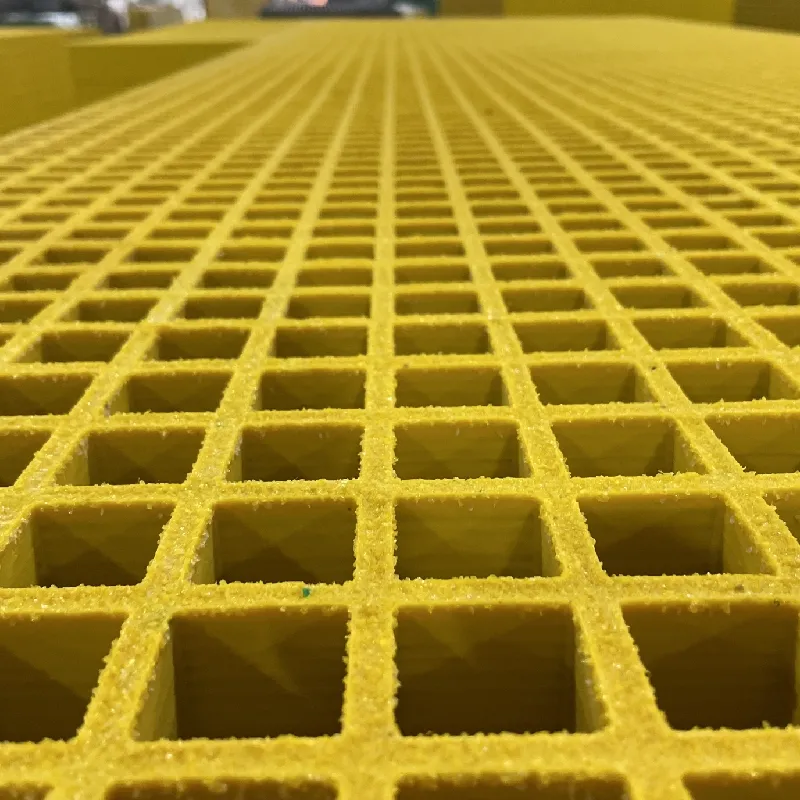
Beyond these corrosive environments, FRP grating finds critical applications in industries such as food and beverage processing, where its hygienic properties, ease of cleaning, and the option for frp micro mesh grating prevent the accumulation of debris and ensure a sanitary workspace. Its anti-slip surface, often enhanced with grit, provides superior traction even when wet or oily, a critical safety feature in high-traffic or spill-prone areas. The low thermal conductivity of FRP also contributes to energy efficiency in certain applications, as it does not conduct heat as readily as metal, helping to maintain stable temperatures. Furthermore, its lightweight nature, typically one-third the weight of steel, translates to reduced installation costs, less labor, and the ability to install in areas with structural load limitations. This inherent energy efficiency extends to its manufacturing process, which generally requires less energy than steel production, aligning with broader sustainability goals. By choosing FRP, facilities not only enhance safety and operational longevity but also contribute to a more sustainable industrial footprint. Reliable frp grating suppliers excel at matching the specific advantages of FRP to the unique demands of each industry, providing tailored solutions that maximize value and performance over the long term.
Selecting the Optimal FRP Grating Supplier: A Strategic Approach
Choosing the right frp grating suppliers is a critical decision that impacts project timelines, budget, and long-term operational reliability. A comprehensive evaluation process should extend beyond mere product cost to encompass technical expertise, manufacturing capabilities, quality assurance, and post-sales support. Reputable suppliers possess in-depth knowledge of composite materials, engineering principles, and industry-specific applications. They can provide detailed technical consultations, assist with load calculations, and recommend the most suitable resin systems and grating types (e.g., molded, pultruded, frp micro mesh grating) for particular environments. Look for suppliers with a proven track record, evidenced by case studies, client testimonials, and a diverse portfolio of successful projects across various industries. Longevity in the market and significant service tenure (e.g., 10+ years) often indicate stability and a deep understanding of customer needs. Manufacturers with robust in-house testing facilities and certifications (e.g., ISO 9001:2015 for quality management, ASTM, UL, DNV GL for product performance and safety) demonstrate a commitment to consistently high standards.
Customization capabilities are another key differentiator. Leading suppliers offer bespoke solutions, including custom panel sizes, specific mesh configurations, tailored resin formulations for unique chemical exposures, and integrated anti-slip surfaces. This flexibility allows for optimized designs that minimize waste, reduce installation time, and perfectly fit complex layouts. An effective partnership with a supplier also involves clear communication regarding delivery schedules, logistics, and packaging. Reliable delivery within agreed-upon timelines is crucial for project continuity. Furthermore, inquire about their warranty policies and post-purchase customer support. A strong warranty signifies confidence in product quality, while responsive customer service ensures that any issues or questions that arise during installation or operation are addressed promptly. For instance, a reputable supplier of Anti Slip and Factory Outlet Standard Mesh FRP GRP Grating will offer not only standard products but also custom dimensions and resin types to meet precise project specifications, backed by comprehensive technical support and a transparent warranty. Prioritizing these factors ensures a strategic procurement that yields long-term benefits and fosters a trustworthy relationship with your chosen frp grating suppliers.
Case Studies, Trust, and Frequently Asked Questions (FAQ)
Real-world application cases provide tangible evidence of a supplier's capabilities and product performance. Consider a major chemical plant that replaced corroded steel walkways with FRP grating. The project not only eliminated the need for annual repainting and extensive maintenance, saving an estimated 30% in operational costs over five years, but also significantly improved worker safety due to the anti-slip surface and non-conductive properties. Another example involves a municipal water treatment facility that utilized frp micro mesh grating for its sludge dewatering area. The smaller mesh openings prevented small tools and debris from falling into sensitive machinery, while the material's superior corrosion resistance ensured long-term durability in the highly acidic environment. These successful implementations highlight how choosing competent frp grating suppliers translates directly into improved operational efficiency, enhanced safety, and substantial cost savings over the lifecycle of the infrastructure.
Frequently Asked Questions (FAQ)
- What is the typical lead time for FRP grating orders?
Standard orders typically have a lead time of 2-4 weeks, depending on volume and customization. For urgent or large-scale projects, it is advisable to consult directly with the supplier for a precise schedule, as some frp grating suppliers may offer expedited services.
- What warranty is offered on FRP grating products?
Most reputable manufacturers offer a limited warranty, typically 5-10 years, against manufacturing defects and material degradation under normal operating conditions. Specific warranty terms will be detailed in the purchase agreement from your chosen frp grating suppliers.
- How do I ensure the correct FRP grating type for my application?
Consulting with the technical experts from your frp grating suppliers is recommended. Provide details on your environment (chemicals, temperature, load requirements), and they can guide you on the optimal resin system, mesh size, and panel thickness to meet your specific needs and regulatory compliance.
- Is FRP grating truly maintenance-free?
While FRP grating is highly durable and requires minimal maintenance compared to metal, periodic visual inspections for damage or excessive wear are recommended, especially in high-traffic or highly corrosive areas. It does not require painting, rust removal, or cathodic protection.
These FAQs underscore the commitment of reliable frp grating suppliers to transparency, customer support, and building long-term trust through clear communication and comprehensive service offerings.
Conclusion
The selection of FRP grating is a strategic investment that yields significant long-term benefits in terms of safety, durability, and operational cost savings. As industrial environments become increasingly challenging, the demand for advanced, high-performance materials like FRP continues to grow. By understanding the intricate manufacturing processes, the technical parameters, and the diverse application advantages of FRP grating, B2B stakeholders can make informed decisions that ensure optimal performance and compliance. Partnering with expert frp grating suppliers who demonstrate a commitment to quality, technical support, and customer satisfaction is paramount. Their ability to provide customized solutions, adhere to stringent quality standards, and offer reliable delivery ensures that your projects benefit from the full potential of composite technology. The Anti Slip and Factory Outlet Standard Mesh FRP GRP Grating exemplifies the robust and versatile solutions available, promising extended service life and enhanced safety in the most demanding industrial settings. As the industry continues to innovate, staying abreast of new materials and manufacturing techniques will be key to leveraging these advancements for sustainable industrial development.
References
- Smith, J. (2022). "Advancements in Fiber Reinforced Polymer Composites for Industrial Applications." Journal of Composite Materials Engineering, Vol. 45, No. 3, pp. 123-135.
- Davis, M. (2023). "Corrosion Resistance of FRP Grating in Chemical Processing Environments." International Journal of Materials Science and Engineering, Vol. 18, No. 1, pp. 56-68.
- Thompson, L. (2021). "The Role of FRP in Sustainable Infrastructure Development." Proceedings of the Global Conference on Sustainable Composites, pp. 210-225.
- Chen, W. (2020). "Safety Enhancements in Industrial Workplaces through Non-Slip FRP Surfaces." Occupational Safety and Health Review, Vol. 12, No. 4, pp. 78-90.
-
High Quality Fiberglass Rods for Electric Fence Insulation GuideNewsApr.16,2026
-
Benefits and Guide of Installing a White Fiberglass FenceNewsApr.09,2026
-
Choosing the Right Fibreglass Fence for Property Enhancement and LongevityNewsApr.07,2026
-
Comprehensive Guide to Durable Fiberglass Fence Rods and Their ApplicationsNewsMar.31,2026
-
Comprehensive Guide to Durable Fiberglass Fence Post Solutions for Various ApplicationsNewsMar.28,2026
-
Comprehensive Guide to Fiberglass Fencing Benefits and ApplicationsNewsMar.26,2026
-
Comprehensive Guide to Choosing the Right Safety Guard System for Industrial ProtectionNewsMar.24,2026