High-Performance pentair frp vessels Solutions for Colombia

Engineering durable composite infrastructures and advanced water purification systems tailored for the Colombian industrial and agricultural landscape.

High-Performance pentair frp vessels Solutions for Colombia

Integrating corrosion-resistant FRP technology with state-of-the-art water treatment capabilities to support Colombia's expanding industrial sectors and rural water accessibility.

Composite Materials Status in Colombia's Infrastructure

Analyzing the adoption of FRP composites in high-humidity and chemically aggressive environments.

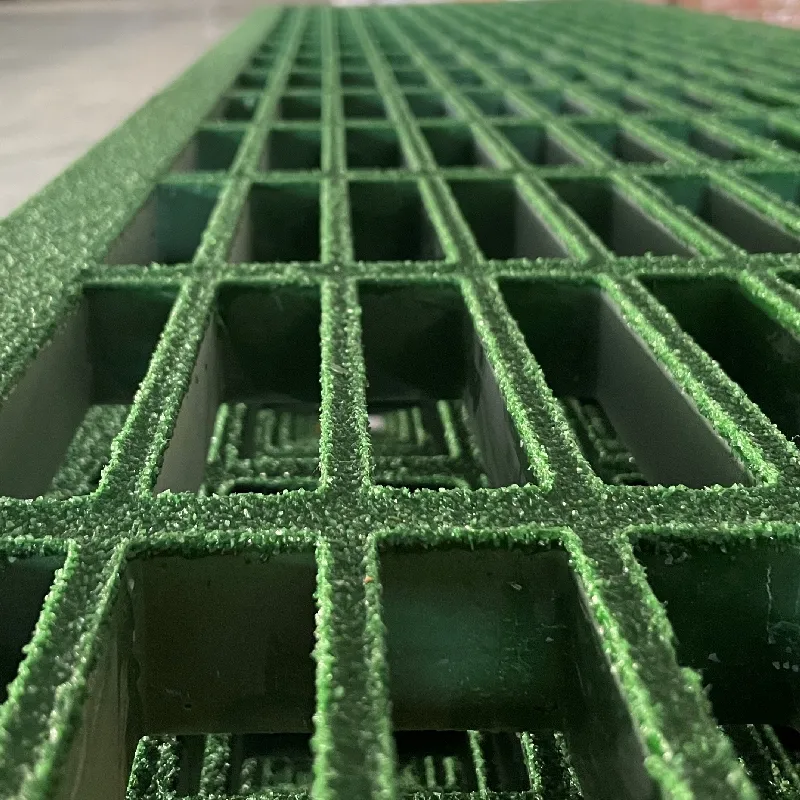
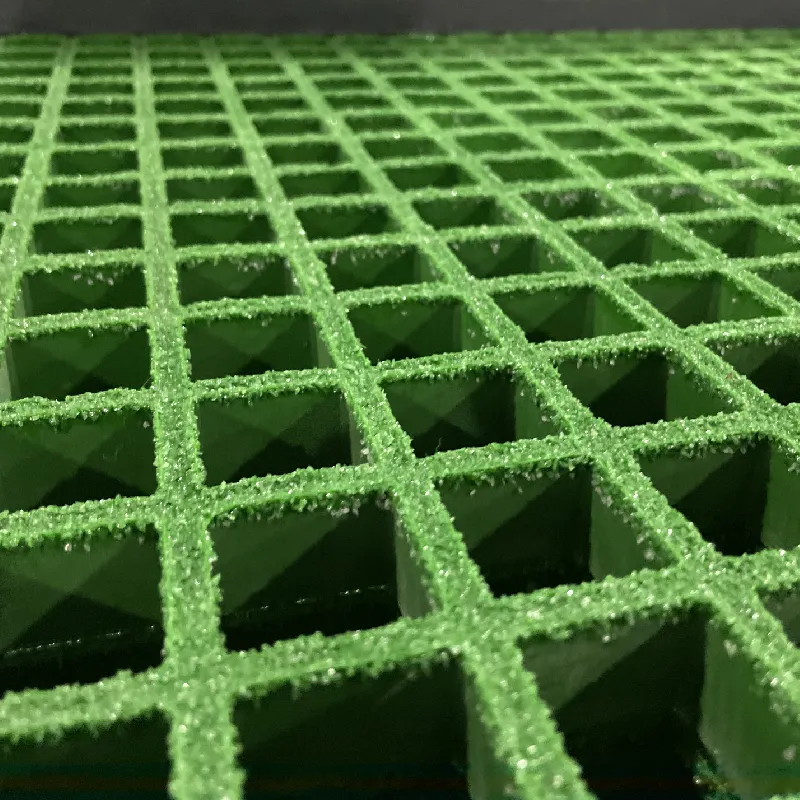
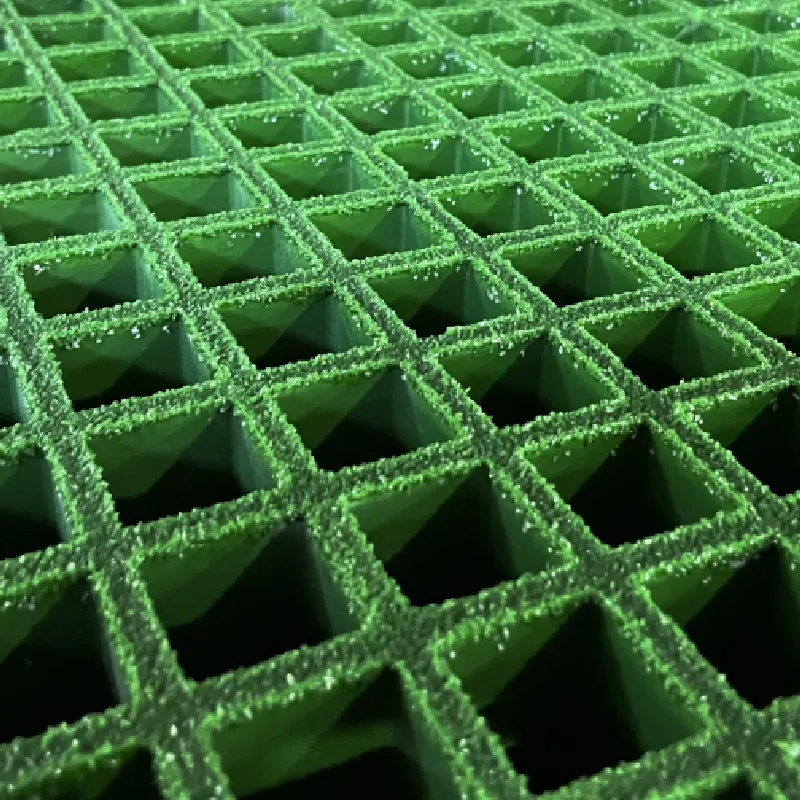
Colombia's diverse geography, ranging from the humid Amazon basin to the Andean highlands, creates severe corrosion challenges for traditional steel structures. The adoption of fiberglass grating has become critical in coastal regions and mining sites where salt spray and acid rain accelerate material degradation.

In the agricultural heartlands, the demand for a reliable well water purification system is surging. Many rural communities rely on groundwater that requires sophisticated filtration to remove minerals and contaminants, driving the need for lightweight, durable pressure vessels.

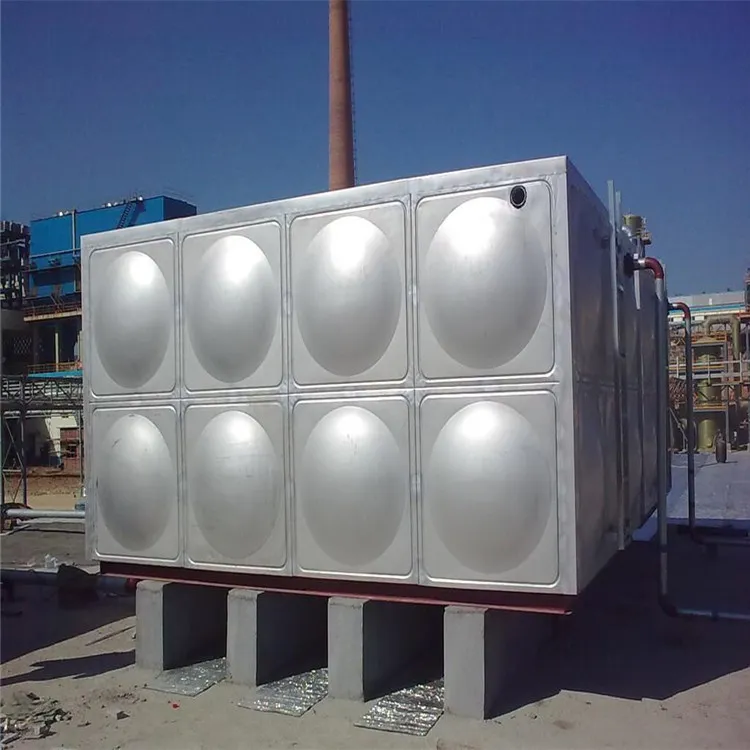
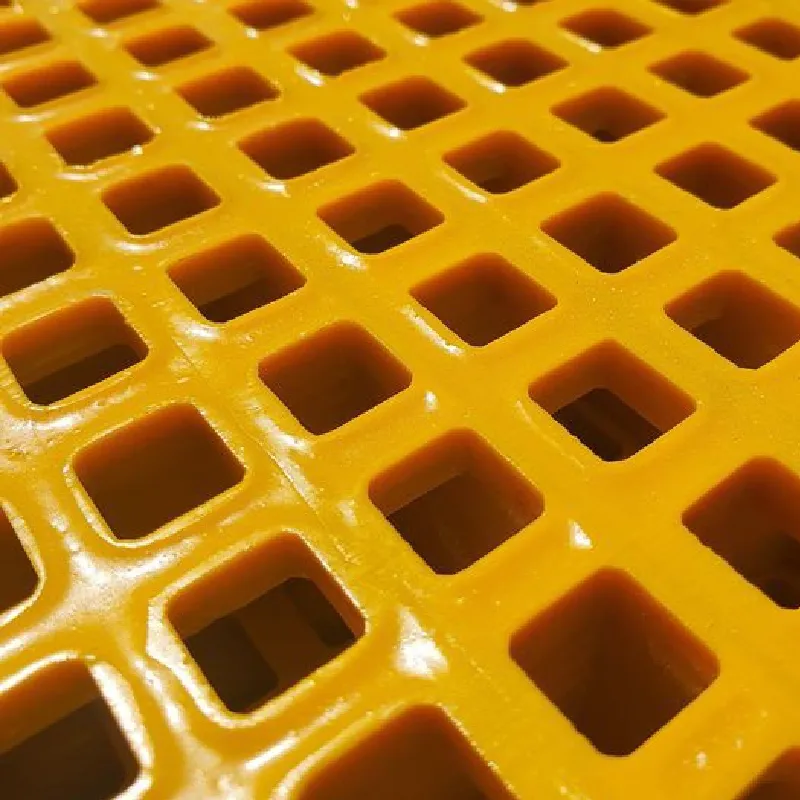
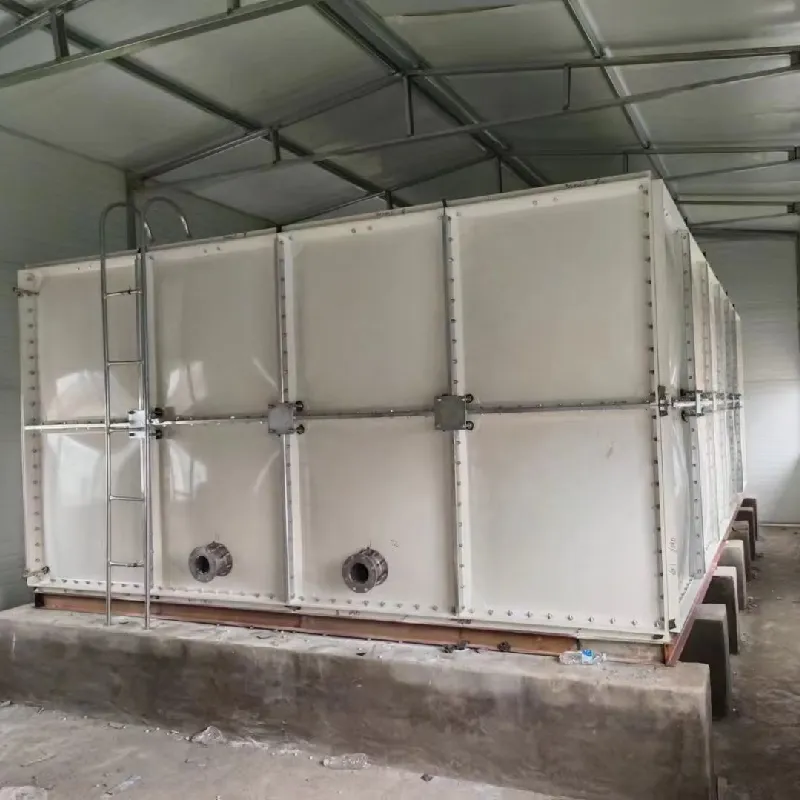
The current market is shifting away from heavy metallic components toward fibreglass grating and composite tanks, which offer lower lifecycle costs and easier installation in remote Colombian terrains where logistics are often a bottleneck.
Evolution of FRP Technology in Colombia

From basic structural reinforcement to advanced chemical-resistant water systems.

Market Development History

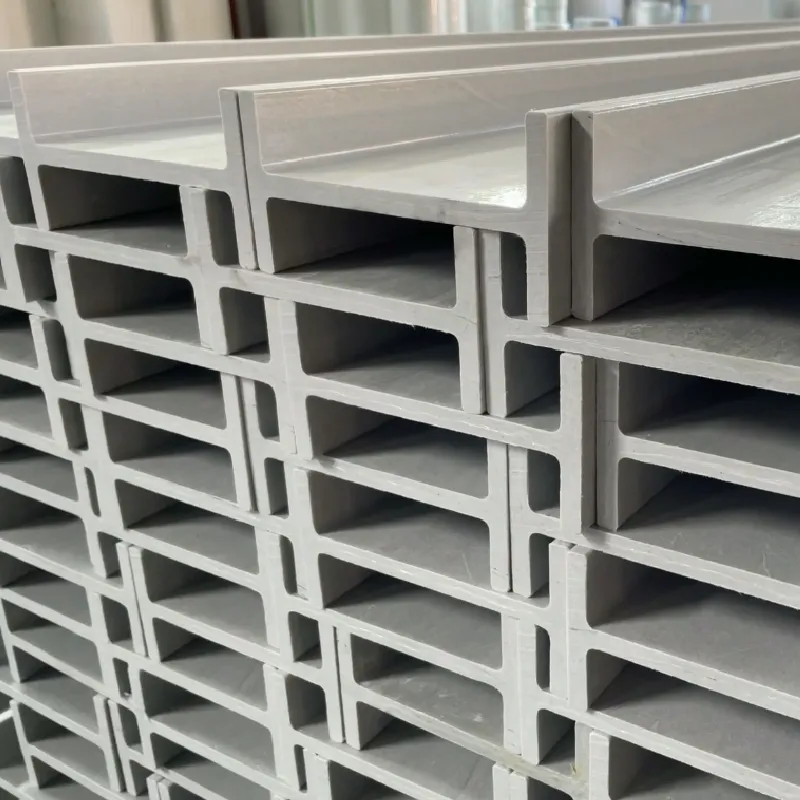
During the 1990s, the Colombian market primarily used basic reinforced plastics for simple storage. The introduction of pultrusion technology in the early 2000s allowed for the widespread use of standardized structural profiles, replacing rusted steel in chemical plants.

By 2010-2015, the focus shifted toward environmental engineering. The integration of water treatment for well water became a priority, leading to the import of high-pressure composite vessels that could withstand the varied pressure fluctuations of Colombian aquifers.

In recent years, the market has matured into a "precision composite" era, where specialized resin systems are used to combat the specific UV radiation levels of the equatorial region, ensuring that outdoor installations do not degrade under intense sunlight.

Future Development Trends

Smart Composite Integration

Integration of IoT sensors within FRP structures to monitor structural integrity and water flow in real-time across remote Colombian sites.

Sustainable Resin Systems

A transition toward bio-based resins to reduce the carbon footprint of manufacturing, aligning with Colombia's national green energy goals.

Advanced Modular Purification

Moving toward fully modular, plug-and-play purification units that can be deployed rapidly in disaster-prone mountainous areas.

Industry Outlook and Future Projections

Predicting the trajectory of non-metallic mineral products in the South American market.

Corrosion Resistance Dominance
Increasing replacement of galvanized steel with FRP in the oil and gas sectors of Colombia.
Water Security Scaling
Scaling up decentralized water purification systems for rural Andean communities.
Lightweight Logistical Shift
Reducing transport costs by utilizing lightweight composite components for remote installations.
UV-Stabilized Materials
Advanced polymer coatings to prevent FRP oxidation in high-altitude Colombian regions.

Industry Outlook

Based on Google search trends in the South American region, there is a marked increase in queries regarding "sustainable infrastructure" and "corrosion-free materials." This indicates a systemic move toward FRP solutions in Colombia's public works and private industrial sectors.

Over the next 3-5 years, we expect a convergence of water treatment technology and composite science, where water treatment for well water will transition from simple filtration to integrated chemical-resistant composite systems.

Localized Application Scenarios in Colombia

Real-world implementation of FRP composites across various Colombian environments.

1. Coffee Plantation Irrigation Systems

Implementing composite vessels for the filtration of groundwater used in large-scale coffee farms in the Eje Cafetero, ensuring a stable well water purification system for crop health.

2. Cartagena Coastal Industrial Walkways

Using high-strength fiberglass grating for walkways in salt-heavy environments to eliminate the corrosion cycles seen with traditional steel.

3. Mining Infrastructure in Antioquia

Installation of heavy-duty structural supports and flooring using pultruded composites to resist chemical leaching and acid runoff in mining sites.

4. Bogota Urban Water Treatment Plants

Integrating high-pressure composite vessels into urban water grids to improve the efficiency of municipal water filtration and distribution.

5. Amazonian Remote Community Water Hubs

Deploying modular FRP-based purification units to provide safe drinking water in isolated jungle regions where traditional construction is impossible.

Brand Story

Global Development Journey of Zhaojia (Xingtai) Composite Materials Co., Ltd.

Foundational Engineering

Established with a focus on high-strength non-metallic minerals, we began by solving basic corrosion problems for local industrial plants.

Technology Expansion

Developed advanced pultrusion lines to produce world-class structural composites, expanding our reach into international markets.

Global Standardization

Achieved international certifications for pressure vessels and structural gratings, allowing us to enter the South American market.

Water Solution Innovation

Pioneered the integration of composite vessels with advanced filtration media to solve global clean water challenges.

Sustainability Mission

Today, our mission is to replace every corroding steel beam and leaking metal tank with a sustainable, lifelong composite alternative.

Colombia FRP & Water Treatment FAQ

Technical answers for professional engineers and project managers in Colombia.

How does fiberglass grating perform in Colombian coastal humidity?

Our grating is engineered with an optimized resin matrix that is completely impervious to salt-water corrosion and high humidity, making it ideal for ports in Cartagena and Barranquilla.

What is the lifespan of a well water purification system using FRP vessels?

Depending on the water chemistry, our composite vessels typically last 20-30 years, significantly outperforming steel tanks which often rust through in under 10 years in rural Colombian soils.

Are pentair frp vessels compatible with local Colombian filtration media?

Yes, our vessels are designed with universal mounting and fitting standards, making them compatible with all major resin, sand, and carbon media available in Colombia.

Can fibreglass grating handle heavy industrial loads in mining?

Absolutely. We provide high-load pultruded grating specifically tested for the heavy machinery and foot traffic common in Antioquia's mining operations.

What are the advantages of water treatment for well water using composites?

Composite systems are lightweight for easy transport to remote mountains, resist bacterial growth, and do not leach metallic tastes into the purified water.

How is UV protection handled for FRP products in high-altitude regions?

We incorporate a specialized UV-stabilized surface veil and high-grade coatings to prevent the "fiber blooming" effect caused by intense solar radiation in the Andes.

Partner with the Composite Experts

Ready to upgrade your infrastructure with high-performance FRP solutions in Colombia? Our engineering team is here to help you design the perfect system.

Contact Us Now

If you are interested in our products, you can choose to leave your information here, and we will be in touch with you shortly.