
loading...
- No. 9, Xingyuan South Street, Dongwaihuan Road, Zaoqiang County, Hengshui, Hebei, China
- admin@zjcomposites.com
- +86 15097380338
- Welcome to visit our website!

GRP Mesh Fencing A Comprehensive Guide to Security and Durability
GRP Mesh Fencing: A Comprehensive Guide
When it comes to secure and durable perimeter protection, GRP mesh fencing stands out as a modern and effective solution. Offering superior strength, corrosion resistance, and a lightweight design, GRP (Glass Reinforced Polymer) mesh fencing is increasingly popular across various industries. This article provides an in-depth look at the benefits, applications, installation, and factors to consider when choosing GRP mesh fencing for your property. It’s a long-term investment providing security and peace of mind.
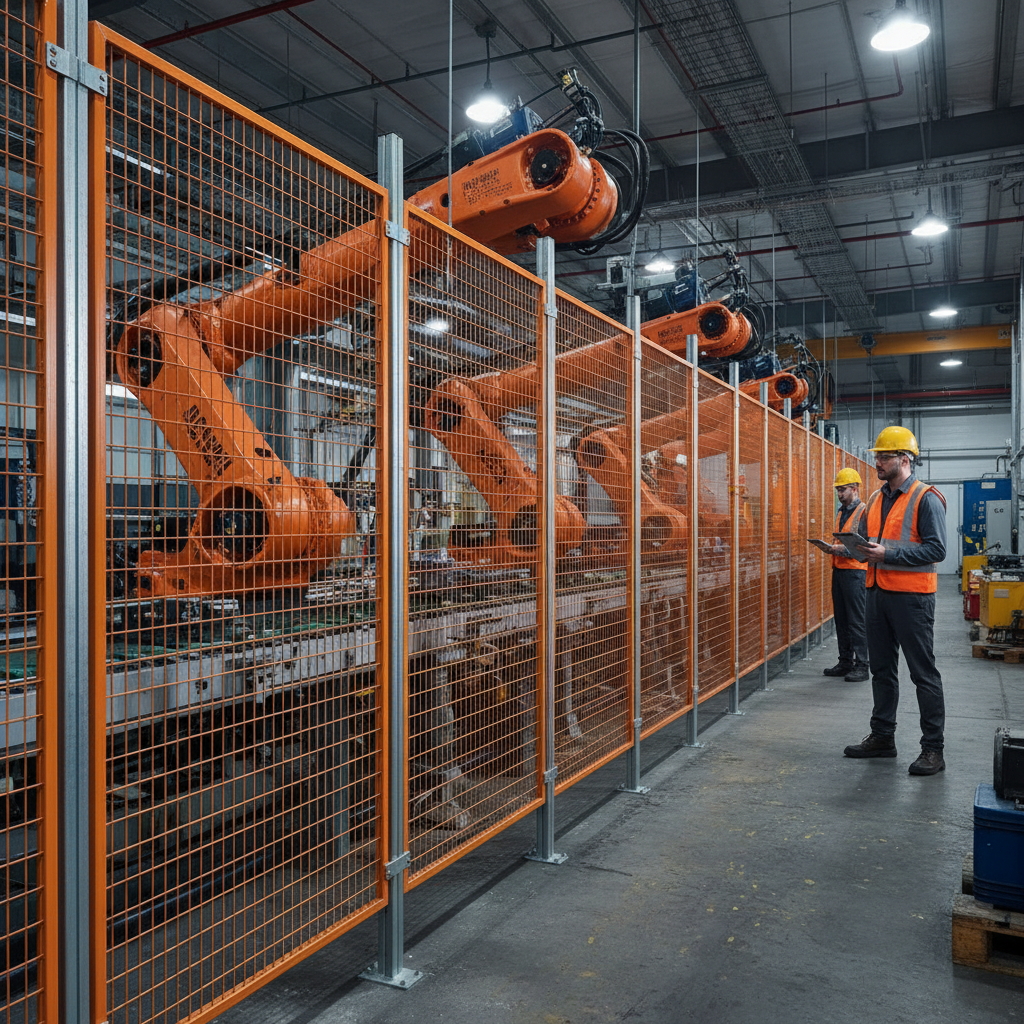
What is GRP Mesh Fencing?
GRP mesh fencing is constructed using a matrix of glass fibers held together by a resin, creating a composite material that’s remarkably strong yet surprisingly lightweight. Unlike traditional metal fencing, GRP does not rust, corrode, or require painting, leading to significantly reduced maintenance costs over its lifespan. The open mesh design offers excellent visibility and allows for airflow, making it a practical choice for a variety of applications. Zjcomposites specializes in crafting high-quality GRP mesh fencing tailored to diverse security needs.
Key Highlights: GRP offers exceptional strength-to-weight ratio, eliminating the need for heavy support structures, and it’s resistant to harsh weather conditions and chemicals.
Benefits of Choosing GRP Mesh Fencing
There are numerous advantages to selecting GRP mesh fencing over traditional alternatives. Its corrosion resistance makes it ideal for coastal areas or industrial environments where exposure to salt spray or chemicals is prevalent. The lightweight nature simplifies installation and reduces labor costs. Furthermore, GRP fencing offers excellent security due to its robust construction and difficult-to-climb design. The aesthetic appeal of GRP mesh fencing is also a plus, presenting a clean and modern look. GRP mesh fencing is truly a superior security solution.
Key Benefits:
• Corrosion Resistance
• Lightweight & Easy Installation
• High Security
• Low Maintenance
GRP Mesh Fencing vs. Traditional Metal Fencing: A Comparison
Understanding the differences between GRP mesh fencing and traditional metal fencing (such as chain-link or steel palisade) is crucial for making an informed decision. While metal fencing offers a certain level of security, it's susceptible to corrosion, requiring regular maintenance like painting and repairs. GRP fencing eliminates these issues, providing a long-term, cost-effective solution. Metal fencing can also be heavier and more difficult to install, increasing labor costs. GRP mesh fencing offers a comparable level of security, often surpassing metal options in longevity and resistance to damage. Choosing the right fencing depends on your specific needs and budget.
Applications of GRP Mesh Fencing
The versatility of GRP mesh fencing lends itself to a wide range of applications. These include securing industrial sites, protecting agricultural land, perimeter fencing for schools and recreational areas, and providing safety barriers around construction zones. It’s also an excellent choice for animal enclosures, offering a secure and durable containment solution. The open mesh design allows for clear visibility, making it suitable for areas where surveillance is required.
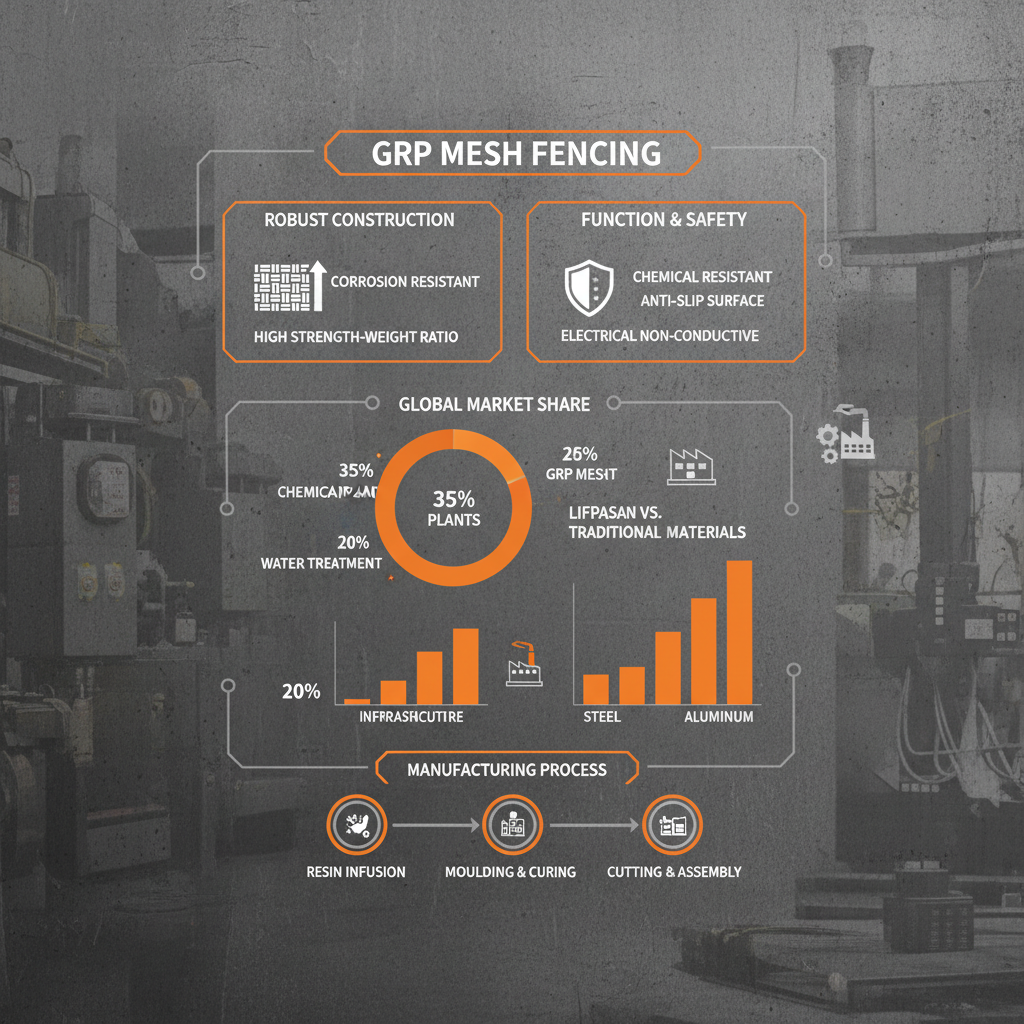
Factors to Consider When Choosing GRP Mesh Fencing
When selecting GRP mesh fencing, consider factors such as the height and length required, the mesh size, and the post spacing. The environment in which the fencing will be installed is also crucial – for highly corrosive environments, select a GRP grade specifically designed for those conditions. Ensure that the fencing meets relevant safety standards and regulations. Zjcomposites offers expert advice to help you choose the right GRP mesh fencing solution for your specific needs.
Conclusion: Investing in a Secure and Sustainable Future with GRP Mesh Fencing
Investing in GRP mesh fencing is a smart choice for long-term security, durability, and cost-effectiveness. Its resistance to corrosion, lightweight design, and minimal maintenance requirements make it a superior alternative to traditional fencing options. Choose GRP mesh fencing for a reliable and sustainable perimeter protection solution.
Frequently Asked Questions (FAQs)
What is the typical lifespan of GRP mesh fencing?
GRP mesh fencing is incredibly durable and can last for decades with minimal maintenance. Unlike metal fencing, it won't rust or corrode, significantly extending its lifespan. With proper installation and care, GRP mesh fencing can easily last 25-30 years or more. Factors like exposure to harsh UV rays and extreme weather conditions can affect longevity, but high-quality GRP materials are designed to withstand these challenges. Regular inspections for any physical damage are recommended.
Is GRP mesh fencing suitable for all types of terrain?
Yes, GRP mesh fencing is adaptable to various terrains. The lightweight nature of GRP simplifies installation on uneven ground. Post spacing can be adjusted to accommodate slopes or other irregularities. Proper foundation installation is crucial for stability, especially in areas with loose or unstable soil. Zjcomposites can provide guidance on appropriate installation techniques for different terrain types.
How easy is GRP mesh fencing to install?
GRP mesh fencing is significantly easier to install than traditional metal fencing due to its lightweight nature and simplified construction. The panels are lighter and require less heavy machinery for installation. However, proper installation is still critical to ensure the fencing’s stability and effectiveness. We recommend following the manufacturer’s instructions carefully or hiring a professional fencing installer.
Is GRP mesh fencing environmentally friendly?
GRP mesh fencing is a more environmentally friendly option compared to some traditional fencing materials. The manufacturing process typically generates less waste, and the material itself is recyclable. Its long lifespan also reduces the need for frequent replacements, minimizing environmental impact. Furthermore, the lack of reliance on coatings and treatments that can leach into the environment is another benefit.
-
High Quality Fiberglass Rods for Electric Fence Insulation GuideNewsApr.16,2026
-
Benefits and Guide of Installing a White Fiberglass FenceNewsApr.09,2026
-
Choosing the Right Fibreglass Fence for Property Enhancement and LongevityNewsApr.07,2026
-
Comprehensive Guide to Durable Fiberglass Fence Rods and Their ApplicationsNewsMar.31,2026
-
Comprehensive Guide to Durable Fiberglass Fence Post Solutions for Various ApplicationsNewsMar.28,2026
-
Comprehensive Guide to Fiberglass Fencing Benefits and ApplicationsNewsMar.26,2026
-
Comprehensive Guide to Choosing the Right Safety Guard System for Industrial ProtectionNewsMar.24,2026