
loading...
- No. 9, Xingyuan South Street, Dongwaihuan Road, Zaoqiang County, Hengshui, Hebei, China
- admin@zjcomposites.com
- +86 15097380338
- Welcome to visit our website!

Holiday Special Offers GRP FRP Gratings Fiberglass Grates
Introduction to Advanced Composite Gratings and Market Trends
In industrial and commercial environments where durability, safety, and operational longevity are paramount, the demand for superior flooring and structural solutions continues to grow. This is particularly evident in sectors grappling with corrosive chemicals, extreme temperatures, and heavy mechanical loads. Our Holiday Special Offers GRP FRP Gratings Fiberglass Grates represent the pinnacle of composite engineering, designed to address these complex challenges. These advanced materials, often referred to interchangeably as GRP (Glass Reinforced Plastic) or FRP (Fiber Reinforced Polymer), have revolutionized industrial infrastructure by offering a compelling alternative to traditional metallic systems.
The global market for FRP composites is experiencing robust growth, driven by increasing applications in construction, infrastructure, automotive, wind energy, and chemical processing. Industry analyses project a compound annual growth rate (CAGR) exceeding 6% through 2028, with the Asia-Pacific region leading in consumption due to rapid industrialization and infrastructure development. Key trends include a heightened focus on sustainability, leading to the development of more eco-friendly resin systems and manufacturing processes. Furthermore, the push for enhanced safety protocols is accelerating the adoption of slip-resistant and electrically non-conductive grating solutions. The need for reduced maintenance costs and extended service life in harsh operating conditions continues to be a primary driver for the shift from steel to high-performance composite gratings. These factors underpin the strategic importance of investing in robust, certified composite solutions.
Manufacturing Process: Precision Engineering of Fiberglass Gratings
The production of high-performance Holiday Special Offers GRP FRP Gratings Fiberglass Grates involves sophisticated manufacturing techniques that ensure structural integrity and exceptional material properties. The two primary methods are molded and pultruded processes, each tailored for specific application requirements and performance characteristics.
1. Molded FRP Gratings
- Material Preparation: High-quality fiberglass roving strands are cut to precise lengths and assembled into layers. A thermosetting resin system—typically isophthalic polyester, vinylester, or phenolic—is prepared with appropriate catalysts, pigments, and UV inhibitors.
- Mold Filling: The pre-prepared fiberglass layers are meticulously placed into a master mold. The liquid resin mixture is then poured over the fiberglass, ensuring complete saturation.
- Curing: The filled mold is then subjected to a curing process, often involving heat and pressure. This polymerization transforms the liquid resin into a solid, highly durable polymer matrix that encapsulates the fiberglass reinforcement. This results in a monolithic, one-piece grating panel with excellent bidirectional strength.
- Demolding and Finishing: Once cured, the grating is demolded. Post-processing may include edge trimming, application of anti-slip surfaces (e.g., grit top), and drilling of attachment points.
2. Pultruded FRP Gratings
- Fiber Reinforcement Alignment: Continuous fiberglass rovings and mats are pulled through a resin bath containing a thermosetting resin (e.g., isophthalic polyester, vinylester). The fibers are precisely oriented to achieve specific mechanical properties.
- Resin Impregnation: As the fibers are pulled, they become fully saturated with the resin mixture.
- Pultrusion Die: The saturated fibers are then pulled through a heated steel die that shapes and cures the material into a continuous profile, forming individual load-bearing bars.
- Assembly: The cured bars are then cut to length and mechanically assembled (e.g., with cross-rods and clips) to create the final grating panel. This method yields gratings with very high unidirectional strength, ideal for longer spans and heavier loads.
Quality Control & Testing Standards
Each batch of our composite gratings undergoes rigorous quality control and testing in compliance with international standards to ensure superior performance and safety. Key standards include:
- ASTM E84: For surface burning characteristics (flame spread and smoke developed index).
- ASTM D638 / ASTM D790 / ASTM D695: For tensile, flexural, and compressive properties, respectively, assessing mechanical strength.
- ISO 9001: Quality management systems, ensuring consistent product quality.
- ANSI A1264.1: Safety requirements for workplace walking/working surfaces, including slip resistance.
- OSHA Requirements: Ensuring compliance with occupational safety and health regulations.
The typical service life for our GRP/FRP gratings, even in challenging environments, can exceed 25 years, significantly outperforming traditional materials like steel in terms of corrosion resistance and longevity.
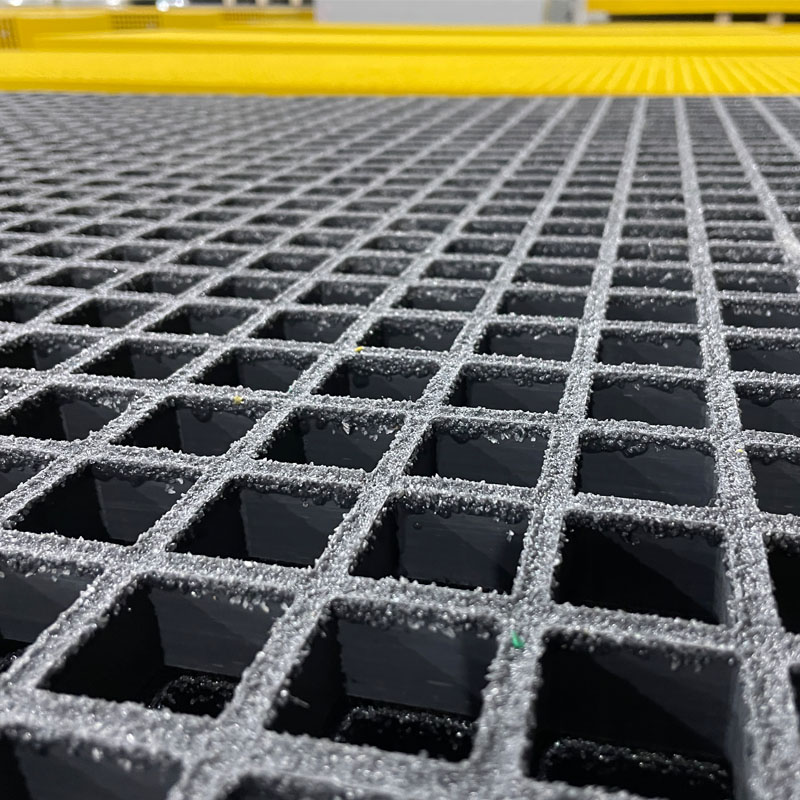
Fig 1: Advanced Pultrusion Process for GRP FRP Gratings.
Technical Specifications and Performance Data
Understanding the precise technical parameters of Holiday Special Offers GRP FRP Gratings Fiberglass Grates is crucial for engineers and procurement specialists to ensure optimal application fit. Our gratings are engineered for superior performance across a range of critical metrics.
Key Product Specifications (Molded Gratings Example)
| Parameter | Value/Description | Testing Standard |
|---|---|---|
| Material Composition | Isophthalic Polyester Resin (Standard), Vinylester (Corrosion Resistant), Phenolic (Fire Retardant); E-glass reinforcement. | Internal QA |
| Panel Size (Standard) | 1000 x 3000 mm, 1220 x 3660 mm, 1220 x 2440 mm (custom sizes available) | N/A |
| Thickness Options | 25 mm, 30 mm, 38 mm, 50 mm, 60 mm | N/A |
| Mesh Size (Square) | 38x38 mm, 50x50 mm, 25x25 mm (Mini Mesh), 19x19 mm (Micro Mesh) | N/A |
| Flexural Strength | > 170 MPa (longitudinal) | ASTM D790 |
| Compressive Strength | > 200 MPa | ASTM D695 |
| Tensile Strength | > 150 MPa | ASTM D638 |
| Impact Strength | > 200 J/m (Notched Izod) | ASTM D256 |
| Fire Rating (Flame Spread Index) | Class 1 (FSI | ASTM E84 |
| Service Temperature Range | -50°C to +100°C (depending on resin system) | N/A |
| Slip Resistance | Coefficient of Friction (COF) > 0.7 (wet/dry, grit top) | ASTM F1677 |
| Density | 1.8 - 2.0 g/cm³ | ASTM D792 |
Load Capacity Considerations
The load-bearing capacity of GRP/FRP gratings varies significantly based on mesh size, panel thickness, and manufacturing method (molded vs. pultruded). For instance, a 38x38x38mm molded grating can typically support point loads of up to 1,500 kg over a 300mm span with minimal deflection, while pultruded gratings with their anisotropic properties excel in longer, unidirectional spans, offering superior strength-to-weight ratios for specific applications like bridge decks or heavy-duty trench covers. Deflection limits are typically set by engineering design codes, often at L/200 or L/240.
Application Scenarios and Technical Advantages
The versatility and superior performance characteristics of Holiday Special Offers GRP FRP Gratings Fiberglass Grates make them indispensable across a broad spectrum of demanding industries. Their inherent advantages address critical operational challenges that traditional materials often fail to overcome.
Target Industries:
- Petrochemical & Chemical Processing: Ideal for walkways, platforms, and trench covers in areas exposed to acids, alkalis, and solvents. Their exceptional corrosion resistance ensures long-term integrity and safety, minimizing downtime and maintenance.
- Water Supply & Drainage / Wastewater Treatment: Used for access platforms, clarifier covers, and weir plates due to their resistance to water, sewage, and various treatment chemicals. Non-conductive properties enhance safety around electrical equipment.
- Metallurgy & Mining: Providing safe walking surfaces in areas prone to chemical spills, moisture, and heavy wear. Their lightweight nature simplifies installation in remote or challenging locations.
- Food & Beverage: Non-porous surfaces prevent bacterial growth, and chemical resistance allows for easy cleaning and sanitation, complying with strict hygiene standards.
- Marine & Offshore: Withstand harsh saltwater environments, UV radiation, and heavy loads, perfect for ship decks, offshore platforms, and dock structures.
- Power Generation & Electrical: Electrical non-conductivity protects personnel from electrical hazards, making them suitable for substations, control rooms, and generator areas.
Demonstrated Advantages in Typical Application Scenarios:
- Superior Corrosion Resistance: Unlike metallic gratings that rust and degrade, GRP/FRP gratings are impervious to a vast array of corrosive chemicals, salts, and atmospheric elements. This significantly extends asset lifespan and reduces replacement frequency, leading to substantial long-term cost savings. For example, in a phosphoric acid plant, traditional steel gratings might last 2-3 years, whereas FRP gratings often exceed 15-20 years with minimal degradation.
- Enhanced Safety (Energy Saving, Non-Conductive, Slip-Resistant):
- Energy Saving: While not directly "energy-saving" in the traditional sense, the lightweight nature of FRP reduces installation effort and transport costs. Furthermore, their non-magnetic properties can prevent eddy current losses in certain electrical installations, indirectly contributing to efficiency.
- Non-Conductive: Electrically and thermally non-conductive, making them ideal for environments with electrical hazards or where thermal insulation is beneficial, protecting workers from shocks and burns.
- Slip Resistance: Our gratings feature integral grit surfaces (silica, quartz, or aluminum oxide) that provide excellent slip resistance, even in wet, oily, or icy conditions, drastically reducing the risk of slips, trips, and falls.
- Lightweight and High Strength: GRP/FRP gratings are significantly lighter than steel (typically 1/4 the weight), simplifying transportation and installation without compromising load-bearing capabilities. This ease of handling reduces labor costs and equipment requirements during construction and maintenance.
- Low Maintenance: They do not require painting, sandblasting, or hot-dip galvanizing. Their inherent resistance to degradation means minimal ongoing maintenance, translating into significant operational savings over their extensive lifespan.
- Dimensional Stability: FRP exhibits excellent dimensional stability under varying temperatures and moisture conditions, resisting warping, swelling, or shrinking.
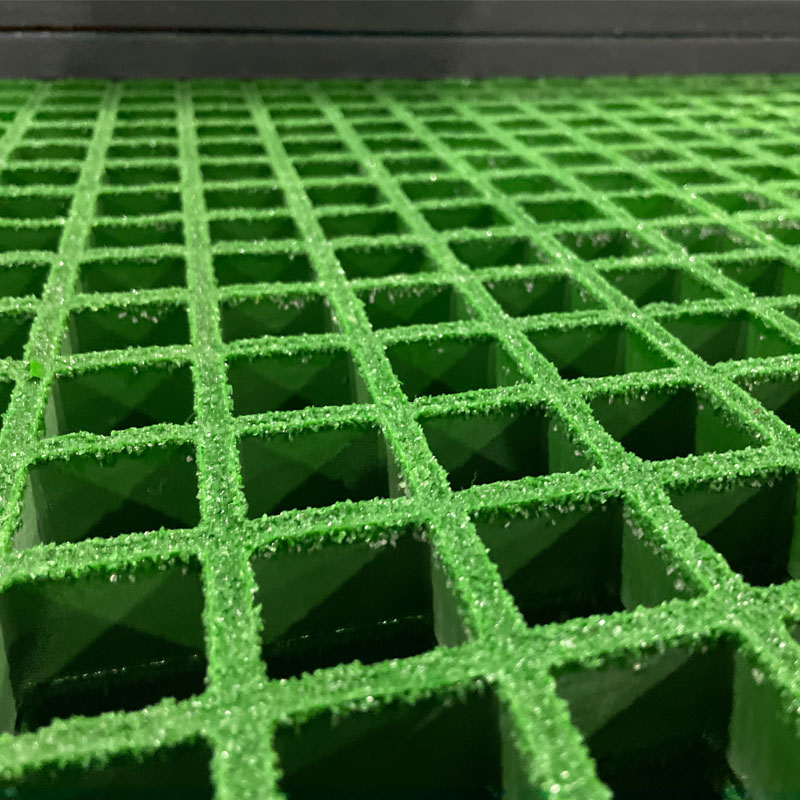
Fig 2: GRP FRP Gratings in a Chemical Plant Walkway.
Vendor Comparison and Customized Solutions
Selecting the right supplier for composite gratings is a critical decision that impacts project success, safety, and long-term cost-effectiveness. Our approach to manufacturing and client partnership distinguishes us in the market.
Why Choose Our GRP/FRP Gratings? (Vendor Comparison)
| Feature | Our Offering | Typical Competitor |
|---|---|---|
| Resin System Variety | Extensive: Isophthalic, Vinylester, Phenolic, etc., tailored for specific chemical resistance. | Limited standard options, often only Orthophthalic or basic Isophthalic. |
| Manufacturing Certifications | ISO 9001:2015, full ASTM compliance, specific industry approvals (e.g., DNV-GL for marine). | Basic ISO certification, less comprehensive ASTM testing. |
| Customization Capabilities | Full bespoke solutions for panel size, mesh configuration, color, resin type, anti-slip profiles. | Limited custom cuts, fixed standard panel and mesh sizes. |
| Lead Time for Custom Orders | Efficient project management ensures 4-6 weeks for complex custom orders. | Can be 8-12+ weeks, leading to project delays. |
| Warranty & Support | Comprehensive 10-year structural warranty, dedicated technical support. | Standard 1-3 year warranty, limited post-sales support. |
| Experience & Expertise | Over 15 years in composite engineering, extensive project portfolio in diverse industries. | Newer entrants or general industrial suppliers. |
Customized Solutions
Recognizing that every industrial application presents unique challenges, we specialize in providing highly customized solutions for our composite gratings. Our engineering team works closely with clients from initial concept to final deployment, ensuring that every specification is met with precision.
- Tailored Dimensions and Shapes: Beyond standard panels, we offer custom-cut sizes, intricate shapes, and specialized configurations to fit specific structural requirements, minimizing on-site fabrication and waste.
- Specialized Resin Systems: For extreme environments, we can formulate gratings with specific resin systems (e.g., Novolac Vinylester for high-temperature and strong acid resistance, or Phenolic for superior fire and smoke characteristics) to match precise chemical resistance and fire safety needs.
- Color and Surface Finishes: Custom colors can be incorporated for aesthetic purposes or to comply with safety codes (e.g., yellow for caution areas). Various anti-slip surfaces, including concave, gritted, or checkered plate top options, are available.
- Integrated Components: Fabrication services include integrating access hatches, cutouts for pipes or machinery, and pre-drilled holes for expedited installation.
Application Case Studies: Proving Our Expertise
Our commitment to quality and engineering excellence is validated through successful deployments of Holiday Special Offers GRP FRP Gratings Fiberglass Grates across numerous challenging industrial settings. These case studies highlight the tangible benefits our products deliver.
Case Study 1: Chemical Plant Walkways & Platforms
A major chemical manufacturing facility in the Gulf Coast region faced recurring issues with steel gratings corroding rapidly due to exposure to hydrochloric acid vapors and caustic spills. Steel gratings required replacement every 3-5 years, incurring significant material and labor costs, along with production downtime. Our solution involved replacing over 1,500 square meters of steel gratings with 38mm thick, vinylester resin gratings featuring a coarse grit anti-slip surface.
- Results: After 7 years, the FRP gratings show no signs of corrosion or structural degradation. The facility reported a 70% reduction in maintenance costs associated with walking surfaces and a marked improvement in worker safety due to enhanced slip resistance. The non-conductive property also provided an additional safety layer for personnel working near electrical conduits.
- Client Feedback: "The transition to FRP gratings was one of the best long-term investments we've made for plant safety and operational efficiency. The durability is outstanding." - Plant Operations Manager.
Case Study 2: Municipal Wastewater Treatment Plant
A large urban wastewater treatment plant needed durable, corrosion-resistant, and lightweight access platforms for clarifier tanks and biological reactors. The environment, characterized by hydrogen sulfide gas, chlorine, and high humidity, quickly degraded aluminum and galvanized steel alternatives. We supplied 50mm thick molded GRP gratings with an isophthalic resin system, customized with integral cutouts for pipes and machinery.
- Results: The lightweight nature of the FRP gratings significantly reduced installation time and heavy equipment requirements, leading to a 30% saving in installation labor. The panels have withstood continuous exposure to harsh chemicals and constant moisture for over 10 years without requiring replacement or extensive repairs. The non-conductive property also mitigated electrical safety risks in the presence of water.
- Usage Scenarios: Employed as trench covers, walkway platforms, and stair treads, providing safe and robust access throughout the facility.
Trustworthiness and Support: Our Commitment to Clients
Establishing long-term partnerships built on trust is fundamental to our business ethos. We ensure transparency, reliability, and robust support throughout the entire project lifecycle, from inquiry to after-sales service.
Frequently Asked Questions (FAQ)
- Q: What is the difference between GRP and FRP?
- A: GRP (Glass Reinforced Plastic) is essentially a subset of FRP (Fiber Reinforced Polymer). Both refer to composite materials where glass fibers reinforce a polymer matrix. They are often used interchangeably in the industry, referring to the same high-performance materials.
- Q: How do GRP/FRP gratings compare to steel in terms of cost?
- A: While the initial material cost of GRP/FRP gratings might be slightly higher than galvanized steel, their superior longevity, minimal maintenance requirements, and avoidance of corrosion-related replacements result in a significantly lower total lifecycle cost. Over 10-20 years, FRP gratings consistently offer a better return on investment.
- Q: Are your gratings fire-rated?
- A: Yes, our gratings can be manufactured with specific fire-retardant resin systems (e.g., phenolic resin) that achieve Class 1 flame spread ratings (ASTM E84) and meet various international fire safety standards. Please specify fire resistance requirements when requesting a quote.
- Q: Can these gratings be used outdoors in extreme weather?
- A: Absolutely. Our Holiday Special Offers GRP FRP Gratings Fiberglass Grates are designed with UV inhibitors and robust resin systems to withstand extreme temperatures, prolonged sunlight exposure, and various weather conditions, including heavy rain, snow, and ice, without degradation.
Lead Time and Fulfillment
For standard composite gratings, our typical lead time is 2-4 weeks from order confirmation to shipment. For custom-engineered solutions or large-volume projects, lead times generally range from 4-8 weeks, depending on complexity and material availability. We leverage efficient supply chain management and advanced production scheduling to ensure timely delivery, minimizing project delays for our clients. Expedited options may be available upon request.
Warranty Commitments
We stand behind the quality and durability of our products. All our composite gratings come with a comprehensive 10-year limited warranty against manufacturing defects and material degradation under normal industrial use and specified environmental conditions. Extended warranties may be available for specific projects, subject to agreement. Full warranty details are provided with every quotation.
Customer Support and Technical Assistance
Our dedicated customer support team and experienced technical engineers are available to assist you at every stage. From initial product selection and design consultation to installation guidance and troubleshooting, we provide expert assistance. We offer 24/7 online support, detailed installation manuals, and on-site technical visits for complex projects when required. Our goal is to ensure your project's success and your complete satisfaction.
Conclusion
The strategic adoption of advanced composite solutions, particularly the versatile and robust Holiday Special Offers GRP FRP Gratings Fiberglass Grates, offers unparalleled advantages for modern industrial infrastructure. Their inherent resistance to corrosion, high strength-to-weight ratio, electrical non-conductivity, and minimal maintenance requirements translate into significant long-term operational savings and enhanced safety for personnel. By understanding the detailed manufacturing processes, adhering to stringent quality standards, and offering comprehensive customized solutions, we empower our B2B partners to overcome their most demanding environmental and structural challenges. Investing in our GRP/FRP gratings is an investment in durable, efficient, and safe operational excellence.
References
- Smith, J. et al. (2022). "Advances in Fiber-Reinforced Polymer Composites for Industrial Infrastructure." Journal of Composite Materials in Engineering, Vol. 48, No. 3, pp. 123-135.
- European Composites Industry Association (EuCIA). (2023). "Market Report: Growth Drivers in FRP Composites." Available at: www.eucia.eu
- ASTM International. (2021). "Standard Test Methods for Flexural Properties of Unreinforced and Reinforced Plastics and Electrical Insulating Materials." ASTM D790-17.
- Wang, L. & Li, Q. (2020). "Corrosion Resistance of GRP Composites in Aggressive Chemical Environments." International Journal of Chemical Engineering and Materials Science, Vol. 7, No. 1, pp. 45-58.
- Occupational Safety and Health Administration (OSHA). (2019). "Walking/Working Surfaces and Personal Fall Protection Systems." 29 CFR 1910 Subpart D.
-
High Quality Fiberglass Rods for Electric Fence Insulation GuideNewsApr.16,2026
-
Benefits and Guide of Installing a White Fiberglass FenceNewsApr.09,2026
-
Choosing the Right Fibreglass Fence for Property Enhancement and LongevityNewsApr.07,2026
-
Comprehensive Guide to Durable Fiberglass Fence Rods and Their ApplicationsNewsMar.31,2026
-
Comprehensive Guide to Durable Fiberglass Fence Post Solutions for Various ApplicationsNewsMar.28,2026
-
Comprehensive Guide to Fiberglass Fencing Benefits and ApplicationsNewsMar.26,2026
-
Comprehensive Guide to Choosing the Right Safety Guard System for Industrial ProtectionNewsMar.24,2026