Fiberglass stair tread covers—they're not glamorous, but they're absolutely crucial. I've spent the last fifteen years walking construction sites, from oil rigs in the Gulf to sprawling manufacturing plants in the Midwest, and I've seen firsthand what happens when you cut corners on stair safety. These aren’t just about code compliance; they’re about protecting your workforce and keeping projects on schedule. A slip or fall can shut down a site, cause serious injuries, and lead to massive liability. That’s where durable, reliable fiberglass stair tread covers come in. They’re a simple solution to a big problem, and frankly, a good investment every single time.
What I’ve learned over the years is that the best products solve real-world problems, and that's exactly what these do. Forget about constantly replacing wood treads that rot or metal ones that corrode. These fiberglass covers withstand harsh environments – constant foot traffic, exposure to chemicals, even saltwater – without flinching. And let’s be honest, time is money. Installing and maintaining these covers is faster and less disruptive than dealing with traditional materials. It’s a game-changer for keeping projects moving.
Too many folks in the office only see the cost on the spreadsheet. They don’t see the lost productivity from repairs, the safety risks, or the long-term headaches. Fiberglass stair tread covers aren’t the cheapest upfront, but they consistently deliver the lowest total cost of ownership. They’re a practical, smart choice for anyone serious about building and maintaining safe, efficient facilities.
The Importance of Fiberglass Stair Tread Covers
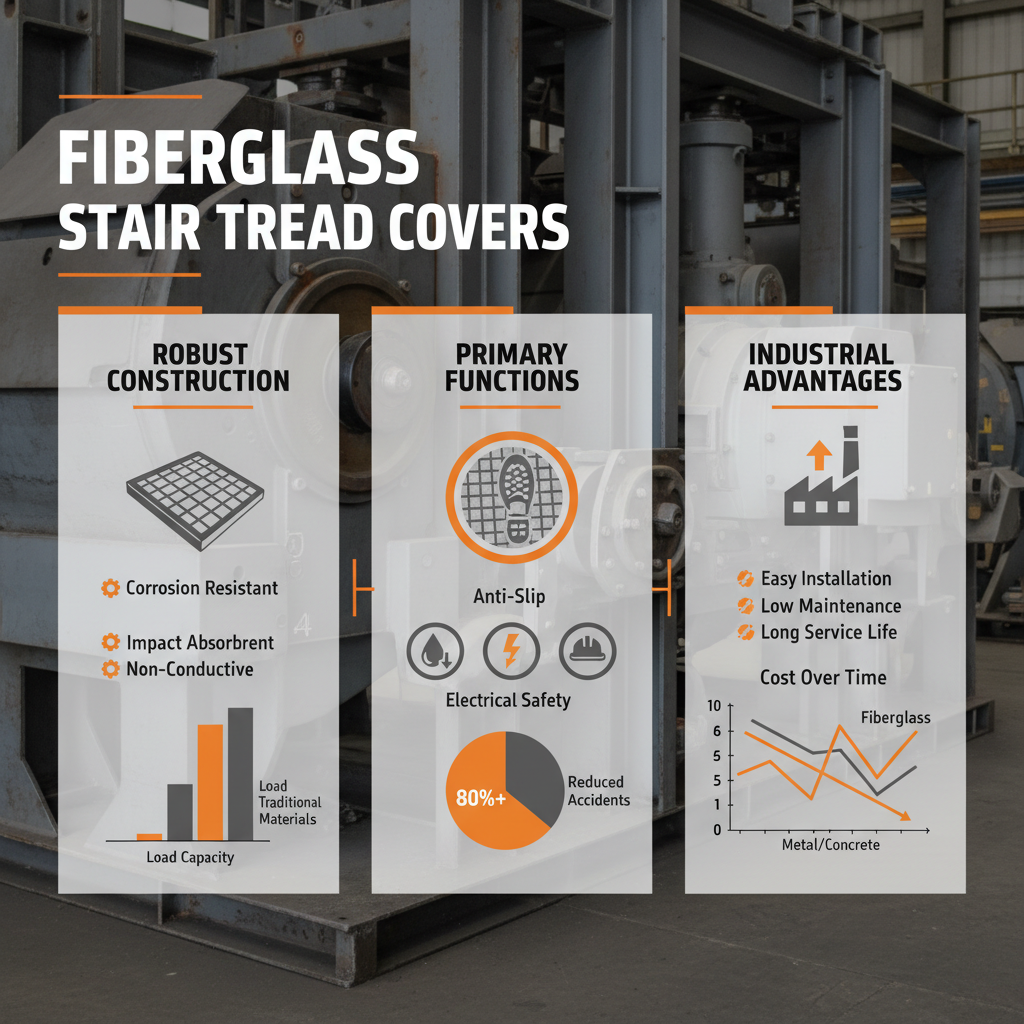
Look, safety is paramount. It's not just a buzzword; it's about sending people home to their families. And stairs, especially in industrial settings, are a major tripping hazard. Whether it’s from wear and tear, exposure to the elements, or just plain neglect, compromised stair treads are a recipe for disaster. Fiberglass stair tread covers address this head-on, offering a durable, slip-resistant surface that significantly reduces the risk of falls. They're a proactive safety measure that pays dividends.
Beyond safety, consider the cost of downtime. A plant shutdown due to a work-related injury can easily run into tens of thousands of dollars – and that doesn’t even factor in the potential for legal issues. Investing in robust fiberglass stair tread covers is a simple way to mitigate those risks and maintain operational efficiency. It’s a small price to pay for peace of mind.
Defining Fiberglass Stair Tread Covers
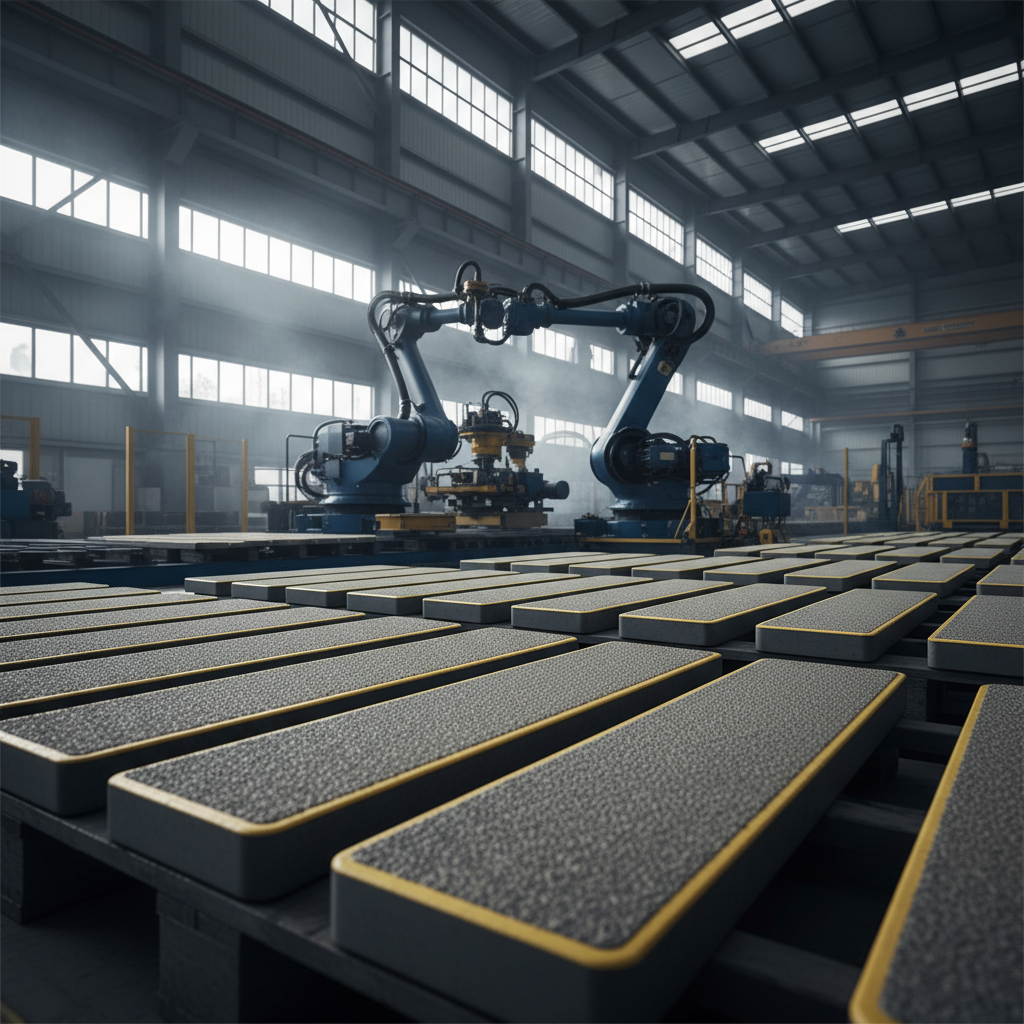
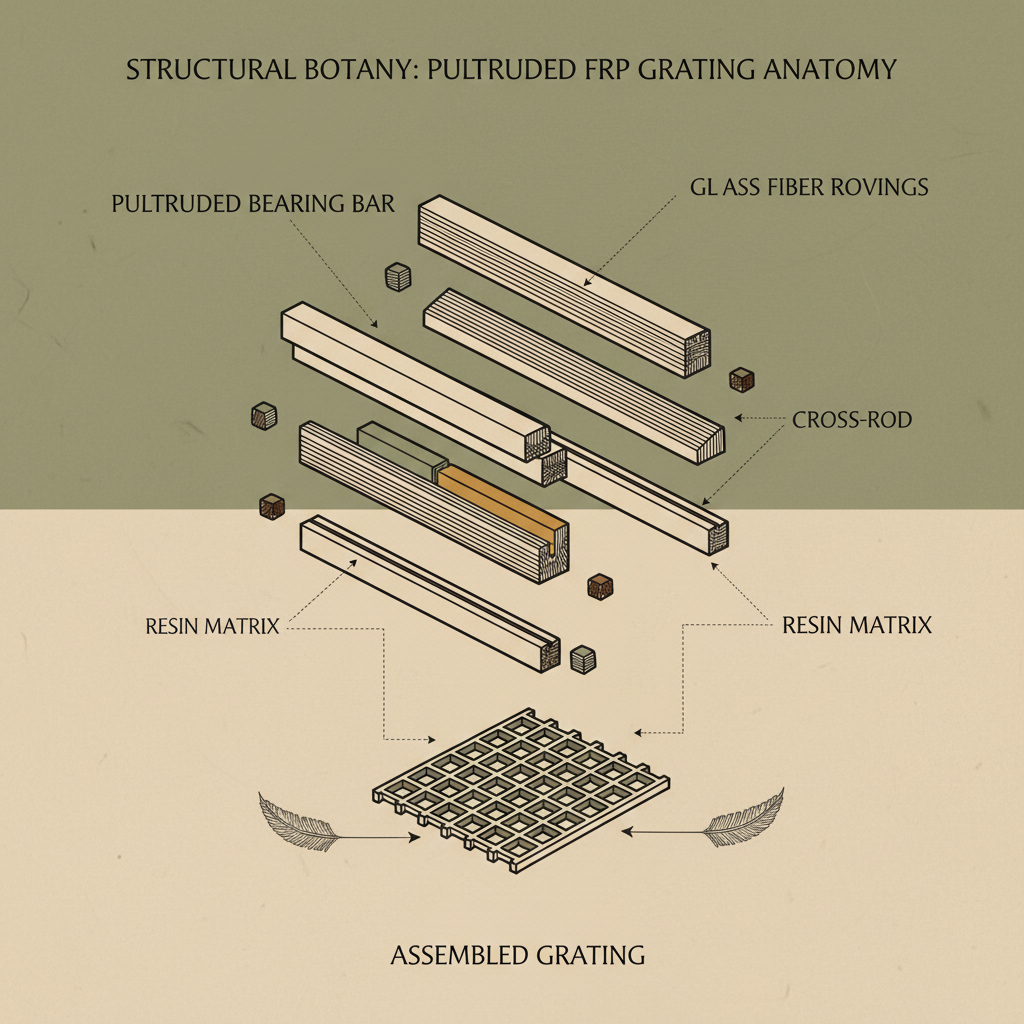
At their core, fiberglass stair tread covers are exactly what they sound like: coverings made from fiberglass-reinforced polymer (FRP) designed to be installed over existing stair treads. They're not a complete stair replacement – they’re a retrofit solution. This is a huge advantage because it means you don’t have to tear out existing structures, minimizing disruption and cost. These covers are typically molded to fit standard stair dimensions, making installation relatively straightforward.
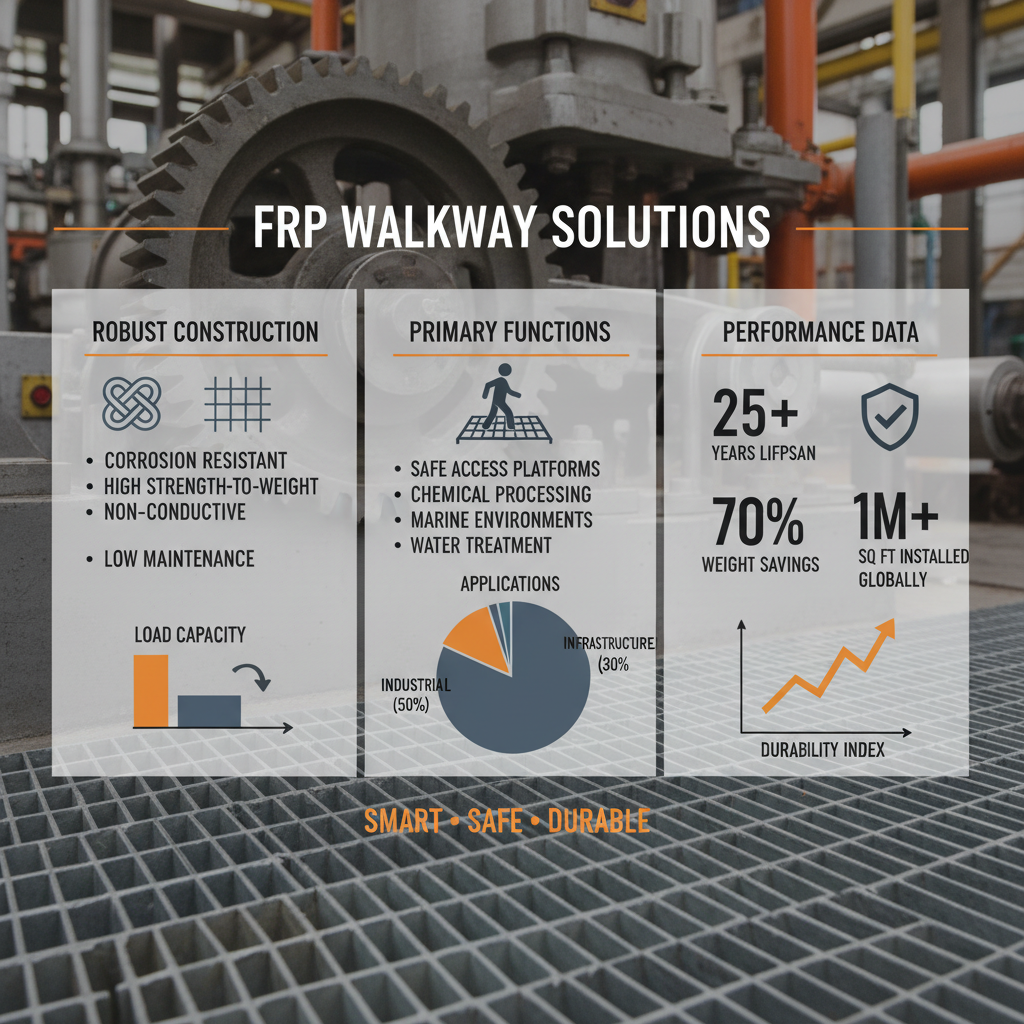
What sets fiberglass apart is its unique combination of properties. It's incredibly strong for its weight, meaning it can handle heavy foot traffic without buckling or cracking. It's also naturally corrosion-resistant, unlike steel, and it doesn't rot like wood. This makes it ideal for harsh environments where other materials would quickly degrade. We're talking about chemical plants, offshore platforms, wastewater treatment facilities – places where durability is non-negotiable.
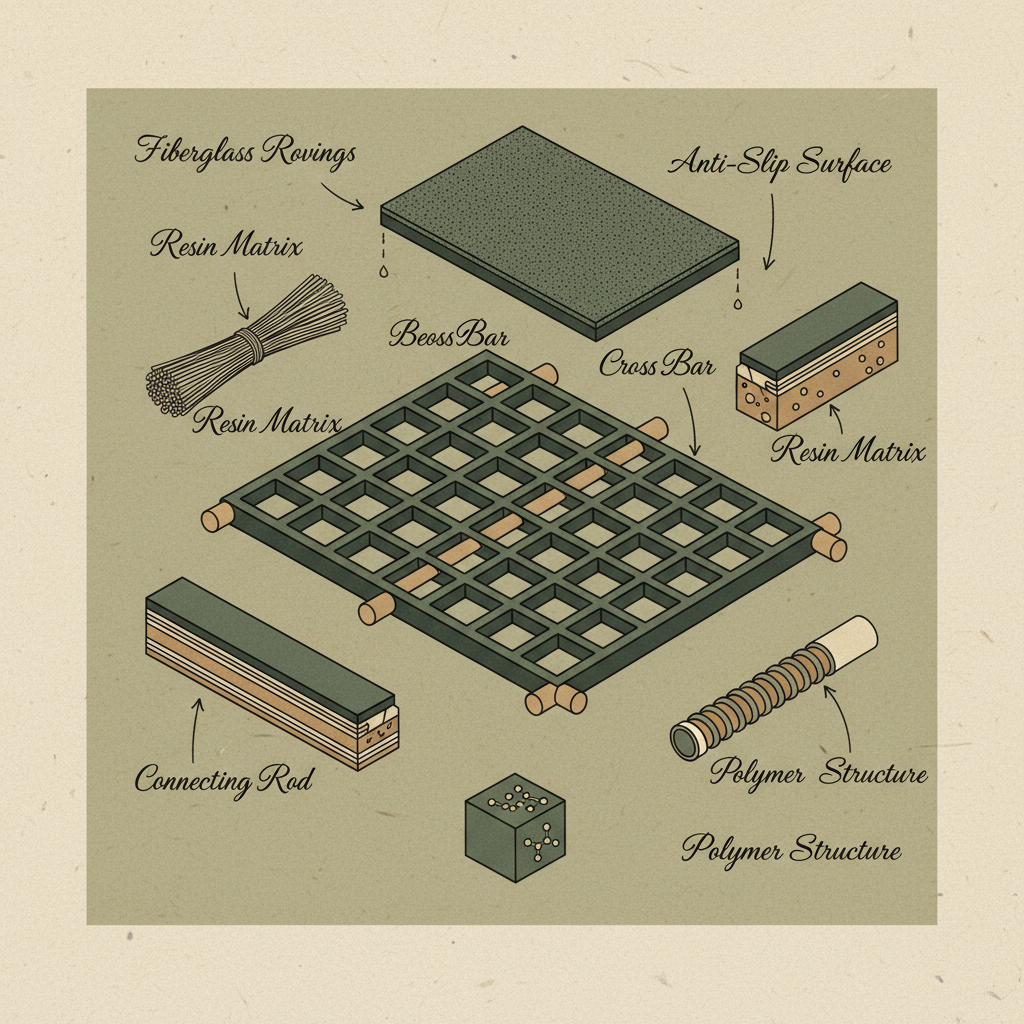
The beauty of these covers is their versatility. They can be customized with different surface textures for improved slip resistance and can even be colored to match existing safety protocols or branding. They connect modern material science to a fundamental need: safe and reliable access.
Key Factors: Why Fiberglass Outperforms
First and foremost: durability. I’ve seen wood treads replaced yearly on some sites, and steel ones needing constant patching due to corrosion. Fiberglass? We're talking decades of reliable service with minimal maintenance. That translates directly into cost savings. The initial investment is higher, yes, but the long-term return is undeniable. You're not constantly throwing money at repairs or replacements.
Then there’s the weight factor. Fiberglass is significantly lighter than steel, making installation easier and reducing the structural load on the building. This is especially important in older facilities where the structure may not be designed to handle heavy materials. Lighter materials also mean lower shipping costs.
Corrosion resistance is huge. In environments with saltwater, chemicals, or even just high humidity, steel will rust. Wood will rot. Fiberglass doesn’t care. It’s inert and won't react with these substances, ensuring a long service life. That’s a game-changer for offshore platforms and chemical processing plants.
Global Applications and Real-World Use Cases
I’ve seen these covers everywhere, honestly. Offshore oil rigs – a must-have due to the saltwater environment. Wastewater treatment plants, where they’re constantly exposed to corrosive chemicals. Chemical processing facilities, food processing plants…the list goes on. Anywhere you have a harsh environment and a need for safe, reliable stairs, fiberglass is the answer.
In post-disaster relief operations, quick deployment is key. Fiberglass stair tread covers can be rapidly installed to provide safe access in damaged buildings or temporary shelters. They’re lightweight and easy to transport, making them ideal for emergency situations. I even worked on a project where they were used to repair stairs on a historic bridge, preserving its architectural integrity while ensuring public safety.
They are gaining traction in the renewable energy sector, too, particularly on wind turbine access towers. These towers are often located in remote, harsh environments, and fiberglass stair tread covers offer the durability and corrosion resistance needed to withstand the elements.
Comparative Performance of Fiberglass Stair Tread Cover Methods
Advantages and Long-Term Value Proposition
The biggest advantage, in my opinion, is the reduced lifecycle cost. Yes, the upfront investment is higher than wood or steel, but you’re not replacing these things every few years. You’re talking about decades of reliable performance with minimal maintenance. That’s a significant cost saving over the long haul.
From a sustainability standpoint, fiberglass is a good choice. It requires less energy to produce than steel and doesn't contribute to deforestation like wood. It’s also durable and long-lasting, reducing the need for frequent replacements and minimizing waste. It’s a responsible choice for companies committed to environmental stewardship.
Future Trends and Innovations in Fiberglass Technology
We're seeing some exciting advancements in fiberglass technology. Manufacturers are developing new resin formulations that are even stronger and more durable. There’s also a growing focus on using recycled materials in the manufacturing process, further enhancing the sustainability of fiberglass products.
Smart stair treads are another emerging trend. These incorporate sensors that can detect wear and tear, monitor foot traffic, and even alert maintenance personnel to potential problems. This proactive approach to maintenance can help prevent accidents and extend the life of the stair treads even further.
Challenges and Solutions: Ensuring Optimal Performance
One challenge is proper installation. Fiberglass requires specific adhesives and installation techniques to ensure a secure and long-lasting bond. Cutting corners here can lead to premature failure. That's why it's crucial to work with experienced installers who understand the material and the proper procedures.
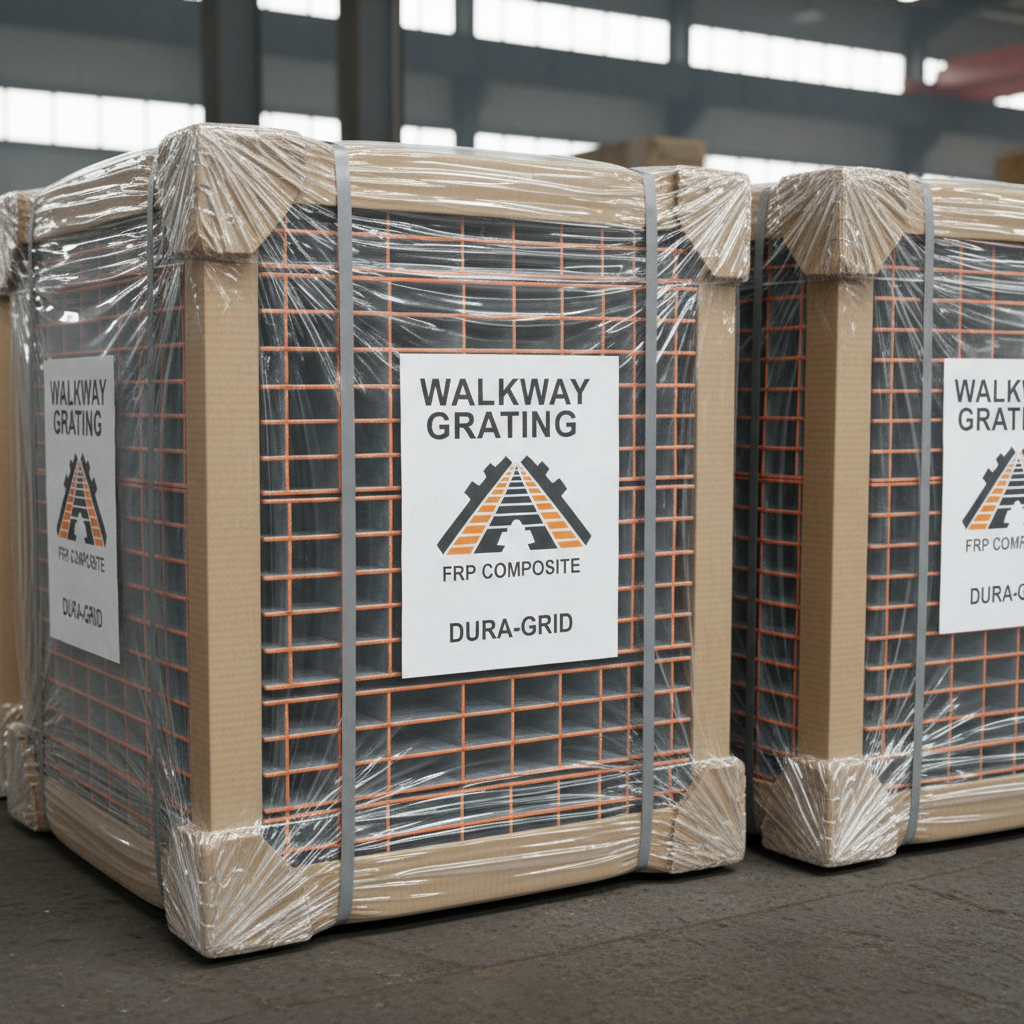
Another potential issue is damage during shipping or handling. Fiberglass can be susceptible to chipping or cracking if not handled carefully. Proper packaging and transportation are essential to prevent damage. We're working with manufacturers to improve packaging methods and provide better training for handling these materials.
Finally, educating end-users about the benefits of fiberglass and the importance of proper maintenance is key. A little bit of regular cleaning and inspection can go a long way in extending the life of these covers and ensuring their continued performance.
Summary of Key Considerations for Fiberglass Stair Tread Cover Implementation
| Installation Quality |
Material Handling |
Maintenance Frequency |
Long-Term Cost Savings |
| Expert Installer Required |
Careful Packaging & Transport |
Quarterly Inspections |
80-90% Reduction vs. Wood/Steel |
| Adhesive Bond Strength Critical |
Minimize Dropping/Impact |
Annual Cleaning Recommended |
Payback Period: 3-5 Years |
| Follow Manufacturer Guidelines |
Avoid Abrasive Materials |
Address Minor Damage Promptly |
Reduced Labor Costs for Repair |
| Proper Surface Preparation Essential |
Secure During Transportation |
Document Inspection Findings |
Increased Asset Value |
| Training for Installation Teams |
Protect from Sharp Objects |
Preventative Maintenance Schedule |
Minimized Downtime & Safety Risks |
| Verification of Installation Quality |
Handle with Care |
Maintain Records of Maintenance |
Enhanced Workplace Safety |
FAQS
With proper installation and minimal maintenance, fiberglass stair tread covers can easily last 20-30 years, often exceeding the lifespan of traditional materials like wood or steel. They are designed to withstand harsh environments and heavy foot traffic without significant degradation. I've seen installations on offshore platforms still going strong after decades of exposure to saltwater and extreme weather.
Yes, absolutely. Fiberglass stair tread covers are manufactured with a textured surface specifically designed to enhance slip resistance, even when wet or oily. This is a critical safety feature, especially in industrial settings where spills and wet conditions are common. Many covers also incorporate grit additives for increased traction.
Installation is relatively straightforward, but it's crucial to follow the manufacturer’s instructions carefully. The covers are typically bonded to the existing stair treads using a specialized adhesive. Proper surface preparation is essential for a strong and long-lasting bond. While DIY installation is possible, I always recommend using experienced installers.
Definitely. Fiberglass is highly resistant to weathering and UV damage, making it an excellent choice for outdoor applications. It won’t rot, corrode, or warp like wood or steel, ensuring long-lasting performance in all types of climates. They're ideal for exterior stairways, ramps, and walkways.
The initial cost of fiberglass stair tread covers is typically higher than wood or steel. However, when you factor in the reduced maintenance, increased lifespan, and improved safety, fiberglass offers a significantly lower total cost of ownership. You're saving money in the long run by avoiding frequent repairs and replacements.
Fiberglass is inherently fire-resistant and will not burn. It has a low smoke and flame spread rating, making it a safer option than combustible materials like wood. While not completely fireproof, it provides a valuable layer of protection in the event of a fire.
Conclusion
Fiberglass stair tread covers are more than just a building material; they’re an investment in safety, durability, and long-term cost savings. They address a critical need across a wide range of industries, from industrial facilities to offshore platforms. By choosing fiberglass, you're opting for a solution that minimizes maintenance, reduces risks, and enhances the overall reliability of your infrastructure.
Looking ahead, I expect to see continued innovation in fiberglass technology, with new materials and manufacturing processes further improving performance and sustainability. Investing in these covers isn't just about fixing stairs today; it's about building a safer, more efficient, and more resilient future. For reliable solutions and expert guidance, visit our website: fiberglass stair tread covers.