
loading...
- No. 9, Xingyuan South Street, Dongwaihuan Road, Zaoqiang County, Hengshui, Hebei, China
- admin@zjcomposites.com
- +86 15097380338
- Welcome to visit our website!

FRP Micro Mesh Grating: Superior Strength & Safety Platforms
Advancing Industrial Safety and Efficiency: The Role of FRP Gratings
In modern industrial environments, the demand for robust, reliable, and corrosion-resistant materials is paramount. Traditional materials like steel often fall short in challenging conditions characterized by harsh chemicals, moisture, or extreme temperatures, leading to significant maintenance costs and safety hazards. This drives the increasing adoption of Fiber Reinforced Polymer (FRP) gratings, particularly in specialized configurations like frp micro mesh grating. These advanced composites offer unparalleled resistance to corrosion, superior strength-to-weight ratios, and excellent non-conductive properties, making them indispensable across various sectors. The shift towards sustainable and durable infrastructure solutions further amplifies the market for high-performance FRP products, reflecting a global trend towards optimizing operational longevity and safety standards.
The market for FRP gratings is experiencing robust growth, driven by stringent safety regulations, the need for reduced lifecycle costs, and the increasing modernization of industrial facilities. Industries such as petrochemicals, wastewater treatment, marine, and power generation are leading the adoption, recognizing the long-term benefits of FRP over conventional materials. For instance, the global FRP grating market size was valued at approximately USD 680 million in 2022 and is projected to reach over USD 1.2 billion by 2030, with a compound annual growth rate (CAGR) of around 7.5% from 2023 to 2030, according to industry reports. This growth underscores the material's proven performance and its critical role in enhancing operational integrity and worker safety. Investing in advanced composite solutions like this specialized grating represents a strategic move for any forward-thinking industrial enterprise.
The Manufacturing Process: Crafting Robust FRP Micro Mesh Gratings
The production of high-quality frp micro mesh grating involves sophisticated composite manufacturing techniques, primarily molding or pultrusion, tailored to achieve specific mechanical properties and mesh configurations. For micro mesh gratings, the molded process is typically employed to ensure the precise, small openings characteristic of these products. This process begins with preparing a liquid resin system, often isophthalic polyester, vinyl ester, or phenolic resin, chosen for its chemical resistance and mechanical strength. Reinforcing fibers, predominantly E-glass fibers in the form of rovings or mats, are then strategically placed within a pre-designed mold. The mold dictates the exact dimensions and mesh pattern of the final grating, ensuring uniformity and structural integrity.
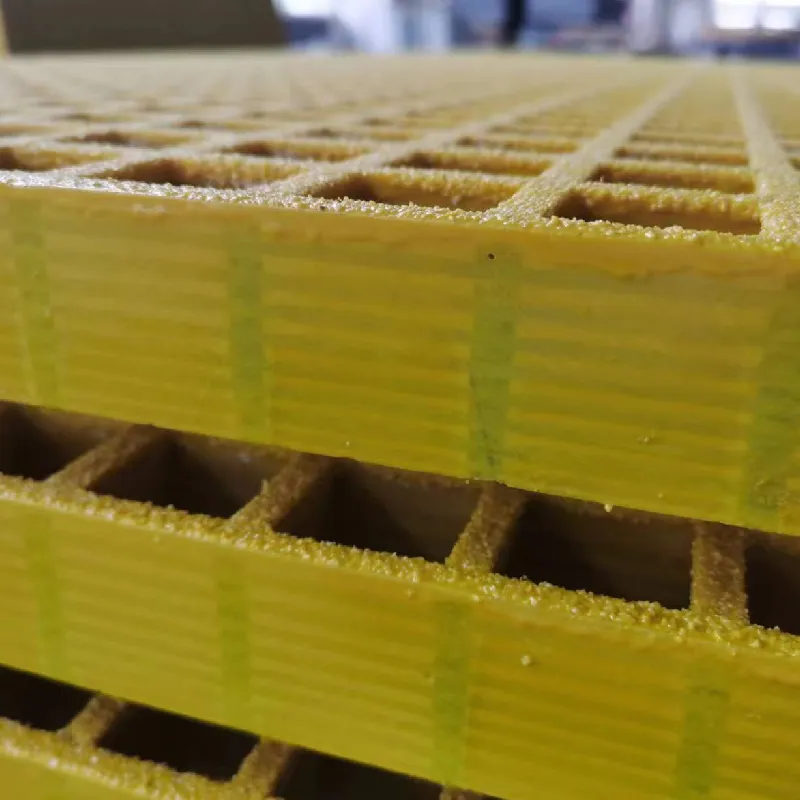
Once the resin and fiber layers are in place, the mold is closed, and the composite material undergoes a curing process, typically initiated by heat or a catalyst. This polymerization transforms the liquid resin into a solid, highly durable thermoset polymer, encapsulating the glass fibers and creating a strong, monolithic structure. Post-curing, the grating is demolded, trimmed, and inspected. Key quality control stages include visual inspection for surface defects, dimensional checks for compliance with specified tolerances (e.g., ANSI/NAAMM MBG 531-93 for FRP grating), and mechanical testing for load-bearing capacity and deflection. A well-manufactured frp micro mesh grating can boast a service life exceeding 20 years in corrosive environments, significantly outperforming metallic alternatives. Applicable industries range from chemical processing and food & beverage to pharmaceutical and mining, where slip resistance, chemical inertness, and easy maintenance are critical advantages.
Technical Specifications and Parameters of FRP Micro Mesh Grating
Understanding the precise technical parameters of frp micro mesh grating is crucial for engineers and procurement specialists to ensure optimal performance and safety in specific applications. These gratings are designed with smaller open areas, typically 8x8mm or 19x19mm centers, which prevents small objects from falling through and offers enhanced foot comfort, making them ideal for pedestrian walkways, trench covers, and areas requiring minimal open space. The choice of resin system – orthophthalic, isophthalic, vinyl ester, or phenolic – dictates the grating's resistance to specific chemicals and temperatures. For instance, vinyl ester resins offer superior resistance to a broad range of corrosive media, while phenolic resins provide exceptional fire retardancy and low smoke emission.
| Parameter | Value/Description |
|---|---|
| Material Composition | E-Glass Reinforcement, Isophthalic/Vinyl Ester/Phenolic Resin |
| Standard Mesh Size (Centre to Centre) | 19x19mm, 8x8mm (Typical) |
| Standard Panel Sizes | 1220x3660mm, 995x3000mm, 1530x4000mm (Custom available) |
| Thickness Range | 13mm, 25mm, 30mm, 38mm, 50mm, 60mm |
| Surface Finish | Concave (Standard), Gritted (High Slip Resistance), Smooth |
| Density | Approx. 1.8 g/cm³ (25% of steel) |
| Operating Temperature Range | -50°C to +150°C (Resin dependent) |
| Fire Retardancy | ASTM E-84 Class 1 (Fire Spread Index ≤ 25) for most resins |
| UV Resistance | Excellent with UV inhibitors |
| Impact Strength | High, no permanent deformation |
| Electrical Conductivity | Non-conductive, ideal for electrical safety |
These specifications highlight the engineered versatility and high performance capabilities of frp micro mesh grating. Its lightweight nature significantly reduces installation costs and structural support requirements, contributing to overall project efficiency and sustainability. The intrinsic corrosion resistance means virtually zero maintenance related to rust or chemical degradation, translating into substantial lifecycle cost savings compared to traditional metal gratings.
Application Scenarios and Strategic Advantages
The unique characteristics of frp micro mesh grating make it exceptionally suitable for a diverse range of demanding industrial and commercial applications. Its small mesh opening prevents tools, nuts, bolts, and other small items from falling through, a critical safety feature in areas where dropped objects could cause injury or equipment damage. This makes it ideal for mezzanines, elevated walkways, and platforms in manufacturing plants and distribution centers. Furthermore, the enhanced foot contact area significantly improves pedestrian comfort and reduces fatigue, a valuable ergonomic benefit for workers who spend extended periods on grating surfaces.
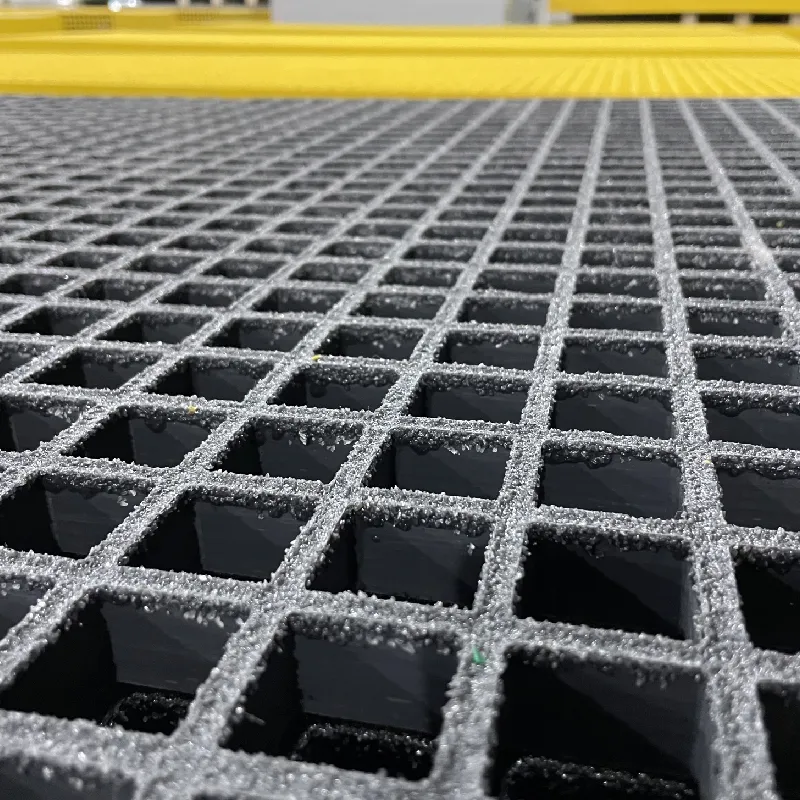
In environments where chemicals are routinely handled or spills are a concern, such as chemical processing plants, water treatment facilities, and pharmaceutical manufacturing units, the superior chemical resistance of frp micro mesh grating ensures long-term structural integrity and prevents degradation. Its non-conductive nature is a crucial safety advantage in electrical substations or areas with sensitive electronic equipment, eliminating the risk of electrical shock. Moreover, the inherent non-magnetic properties make it suitable for MRI rooms or specific testing facilities where magnetic interference must be avoided. The ease of fabrication, allowing for on-site cutting with standard tools, further simplifies installation and reduces project timelines, contributing to overall operational efficiency and cost savings. This blend of safety, durability, and adaptability positions micro mesh FRP as a preferred material for discerning industrial buyers.
Comparative Analysis: FRP Micro Mesh vs. Other Gratings
While various types of FRP gratings exist, including frp platform grating and frp protruded grating, each offers distinct advantages for specific applications. Understanding these differences is key to selecting the most cost-effective and functionally superior solution. frp micro mesh grating stands out due to its smaller opening size and enhanced safety features. For general purpose walkways and platforms where chemical resistance is paramount but small object containment is not a primary concern, standard molded or pultruded frp platform grating might be sufficient. However, in scenarios requiring pedestrian comfort, safety from falling objects, or wheelchair accessibility, the micro mesh variant becomes indispensable.
| Feature | FRP Micro Mesh Grating | FRP Platform Grating (Molded) | FRP Protruded Grating (Pultruded) |
|---|---|---|---|
| Mesh Opening Size | Small (e.g., 8x8mm, 19x19mm) | Standard (e.g., 38x38mm, 50x50mm) | Rectangular (e.g., 25x100mm, 30x100mm) |
| Object Containment | Excellent (Prevents small objects falling) | Good (Prevents larger objects falling) | Moderate (Allows narrow objects to pass) |
| Pedestrian Comfort | Very High (Increased foot contact) | High | Moderate (Parallel bars can be less comfortable) |
| Corrosion Resistance | Excellent (Dependent on resin) | Excellent (Dependent on resin) | Excellent (Dependent on resin) |
| Load Bearing Capacity | High (Distributed load) | High (Bi-directional load) | Very High (Uni-directional load) |
| Typical Applications | Walkways, trench covers, ramps, wheelchair access, food processing | General platforms, floorings, catwalks, stair treads | Heavy-duty walkways, structural platforms, cable trays, bridge decks |
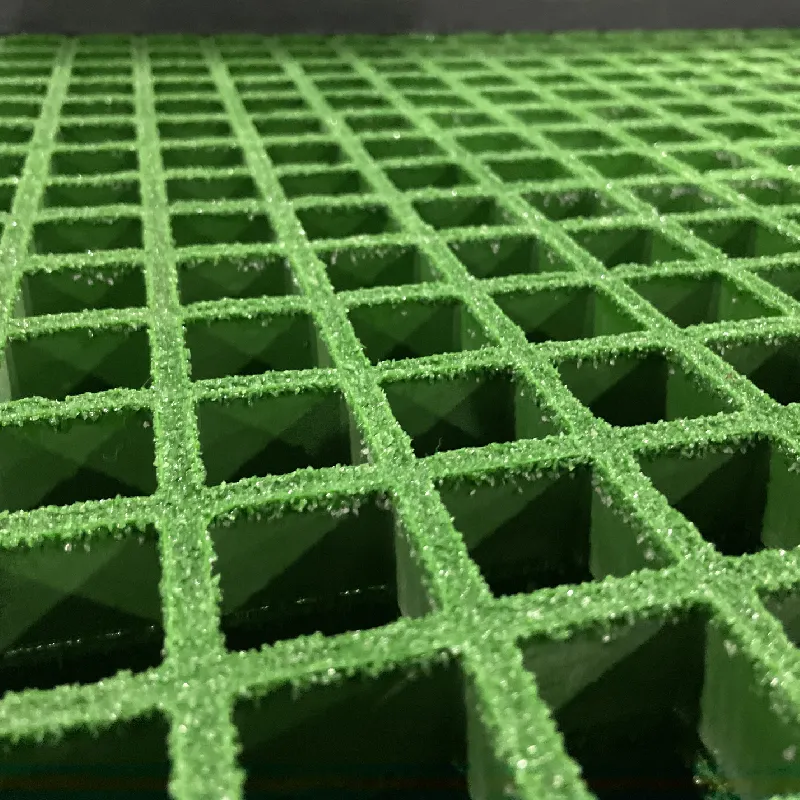
While frp protruded grating often excels in heavy-duty, long-span applications due to its superior stiffness and uni-directional strength, its open slot design might not be suitable where small item containment or maximum foot comfort is a priority. Therefore, the selection of the appropriate FRP grating type is a critical engineering decision that balances specific site requirements, safety protocols, and long-term performance expectations. Leading manufacturers offer comprehensive support to help clients navigate these choices, ensuring that the selected grating solution is perfectly aligned with the project's demands.
Customization and Tailored Solutions
Recognizing that every industrial project presents unique challenges, reputable manufacturers of frp micro mesh grating offer extensive customization capabilities. Beyond standard panel sizes and thicknesses, solutions can be tailored to meet specific load requirements, span capabilities, and chemical exposure conditions. This involves selecting the optimal resin system (e.g., specialized fire-retardant or highly corrosive-resistant resins), adjusting fiber reinforcement patterns, and incorporating custom colors for demarcation or aesthetic purposes. For instance, a client might require a specific slip-resistant surface for a wet processing area or a precise panel shape to fit around existing machinery, which can be accommodated through advanced fabrication techniques like CNC cutting.
Moreover, customized attachment methods and fastening systems can be designed to ensure seamless integration with existing structures, whether it's for elevated walkways, trench covers, or access platforms. This comprehensive approach to customization ensures that the final frp micro mesh grating solution is not just a product, but a precisely engineered component that maximizes safety, efficiency, and longevity within its intended environment. Our engineering teams work closely with clients from conceptual design through installation, providing expert guidance and technical drawings to guarantee a perfect fit and optimal performance for even the most complex industrial setups.
Ensuring Quality and Trust: Our Commitment ()
Our dedication to providing superior FRP grating solutions is underpinned by an unwavering commitment to quality, expertise, and customer trust. All our products, including the specialized frp micro mesh grating, undergo rigorous testing and adhere to international standards such as ISO 9001 for quality management and ASTM F2606 for structural performance. Our manufacturing facilities are equipped with state-of-the-art technology, and our team comprises seasoned engineers and composite material specialists with decades of collective experience in the B2B sector. We pride ourselves on transparent practices, from material sourcing to final delivery, ensuring that every product meets the highest benchmarks for durability and safety.
We maintain comprehensive certification for all relevant resins and processes, including compliance with various national and international safety regulations where applicable, such as UL recognition for specific fire-retardant grades. Our service record spans over 15 years, during which we have partnered with leading companies across diverse industries, earning a reputation for reliability and excellence. Our average delivery cycle for standard products is 3-4 weeks, with expedited options available for urgent projects, ensuring project timelines are met without compromise. We also offer a comprehensive 10-year warranty on our FRP grating products, reflecting our confidence in their long-term performance and durability.
Frequently Asked Questions (FAQ)
Q: What makes FRP Micro Mesh Grating safer than standard gratings?
A: Its significantly smaller opening size prevents small tools, nuts, bolts, and other debris from falling through, reducing injury risk and protecting equipment. It also provides a more comfortable walking surface and accommodates wheelchairs.
Q: Is FRP Micro Mesh Grating truly maintenance-free?
A: While "maintenance-free" is a strong claim, FRP gratings are highly resistant to corrosion, rot, and rust, significantly reducing the need for costly painting, scraping, or replacement common with metallic gratings. Periodic cleaning is generally sufficient.
Q: Can your FRP gratings be customized for specific chemical exposures?
A: Absolutely. We offer a range of resin systems (Isophthalic, Vinyl Ester, Phenolic) each with specific chemical resistance properties. Our experts can recommend the ideal resin based on your facility's chemical environment.
Q: What is the typical lead time for custom orders?
A: Lead times for custom orders vary depending on complexity and volume, but generally range from 4-6 weeks after design approval. We prioritize clear communication on timelines from the outset of every project.
Our dedicated customer support team is available to assist with technical queries, order tracking, and post-sales support, ensuring a seamless experience from initial consultation to long-term operational success. We are committed to building lasting partnerships based on quality products and unwavering reliability.
Conclusion
The adoption of frp micro mesh grating represents a strategic investment in industrial infrastructure, offering a compelling blend of safety, durability, and cost-efficiency that surpasses traditional material alternatives. Its inherent resistance to corrosion, non-conductive properties, lightweight design, and enhanced ergonomic benefits contribute significantly to operational longevity and a safer working environment. As industries continue to evolve, the demand for high-performance, low-maintenance solutions will only increase, solidifying the position of advanced composite gratings as the material of choice for demanding applications. Choosing a reputable manufacturer with a proven track record, extensive technical expertise, and a strong commitment to quality and customer support is paramount to unlocking the full potential of these transformative materials.
References
- Global FRP Grating Market: Size, Share, Trends & Forecast, 2023-2030. Industry Research Report.
- American National Standard for Metal Bar Grating. ANSI/NAAMM MBG 531-93. National Association of Architectural Metal Manufacturers.
- Standard Test Method for Evaluating the Load-Deflection Behavior of Fiber-Reinforced Polymer (FRP) Grating. ASTM F2606. ASTM International.
- Standard Test Method for Surface Burning Characteristics of Building Materials. ASTM E-84. ASTM International.
-
High Quality Fiberglass Rods for Electric Fence Insulation GuideNewsApr.16,2026
-
Benefits and Guide of Installing a White Fiberglass FenceNewsApr.09,2026
-
Choosing the Right Fibreglass Fence for Property Enhancement and LongevityNewsApr.07,2026
-
Comprehensive Guide to Durable Fiberglass Fence Rods and Their ApplicationsNewsMar.31,2026
-
Comprehensive Guide to Durable Fiberglass Fence Post Solutions for Various ApplicationsNewsMar.28,2026
-
Comprehensive Guide to Fiberglass Fencing Benefits and ApplicationsNewsMar.26,2026
-
Comprehensive Guide to Choosing the Right Safety Guard System for Industrial ProtectionNewsMar.24,2026