0%

Table of Contents

To be honest, things have been moving fast in the FRP grating world lately. Everyone's talking about lightweight, high-strength – you hear it at every site now. But a lot of these new designs… they look good on paper, but have you noticed how easily they can get tripped up in real-world installation? It's the little things, you know? The chamfers, the edge treatments… if they're not just right, it’s a nightmare for the guys actually putting it down.

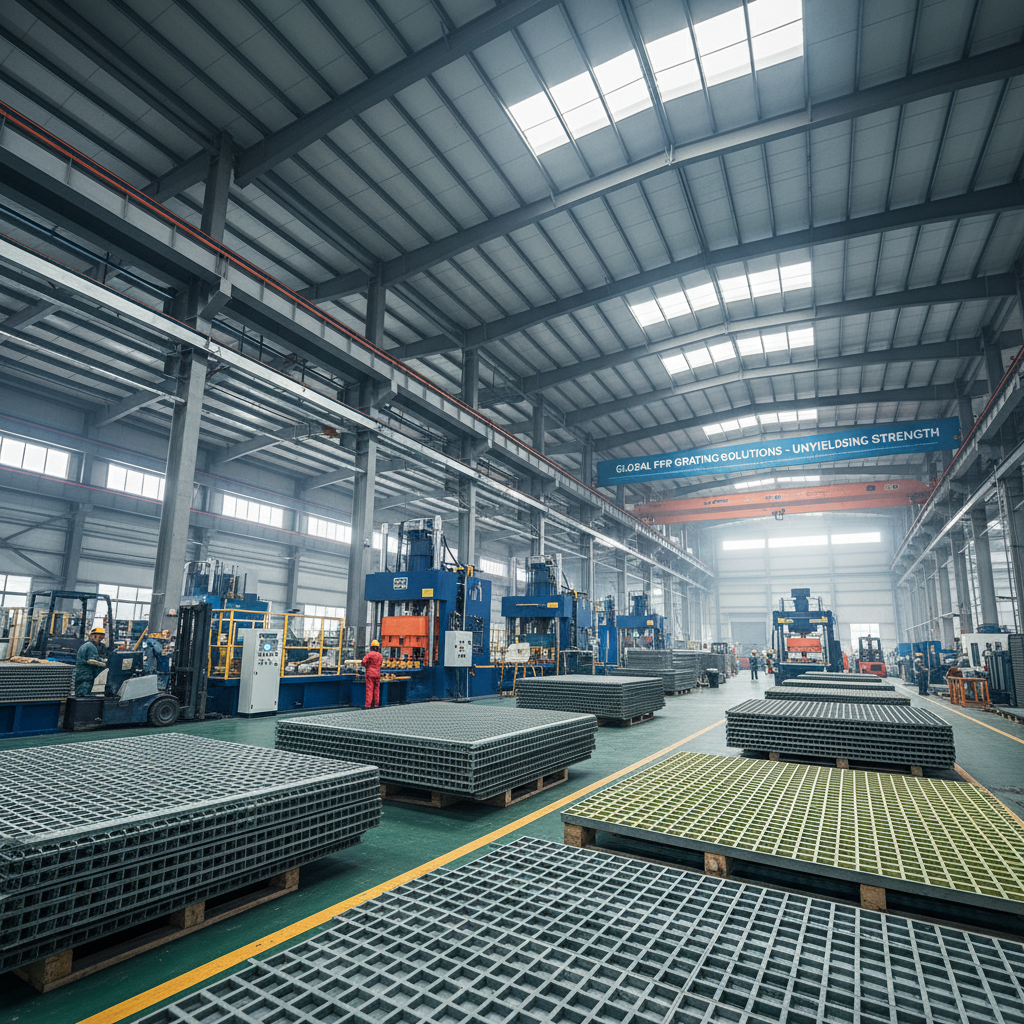
I spent a week last month at a factory in Zhejiang, and the smell of the resin still hasn’t left my nose. That stuff is potent. It’s not like dealing with steel – steel you can feel, understand. FRP is… different. You gotta wear the right gear, obviously, but even then, it feels weird, almost… flimsy at first. Then you realize how much weight it can actually hold. Strange, right?

And the raw materials themselves? The fiberglass… it’s not all the same. Some suppliers try to sneak in lower-grade stuff, you can tell by the way it frays when you cut it. The resins, too – the smell alone can tell you a lot about the quality. You want that sharp, clean scent, not that sickly-sweet, cheap stuff. Anyway, I think the key is knowing your suppliers, building those relationships.
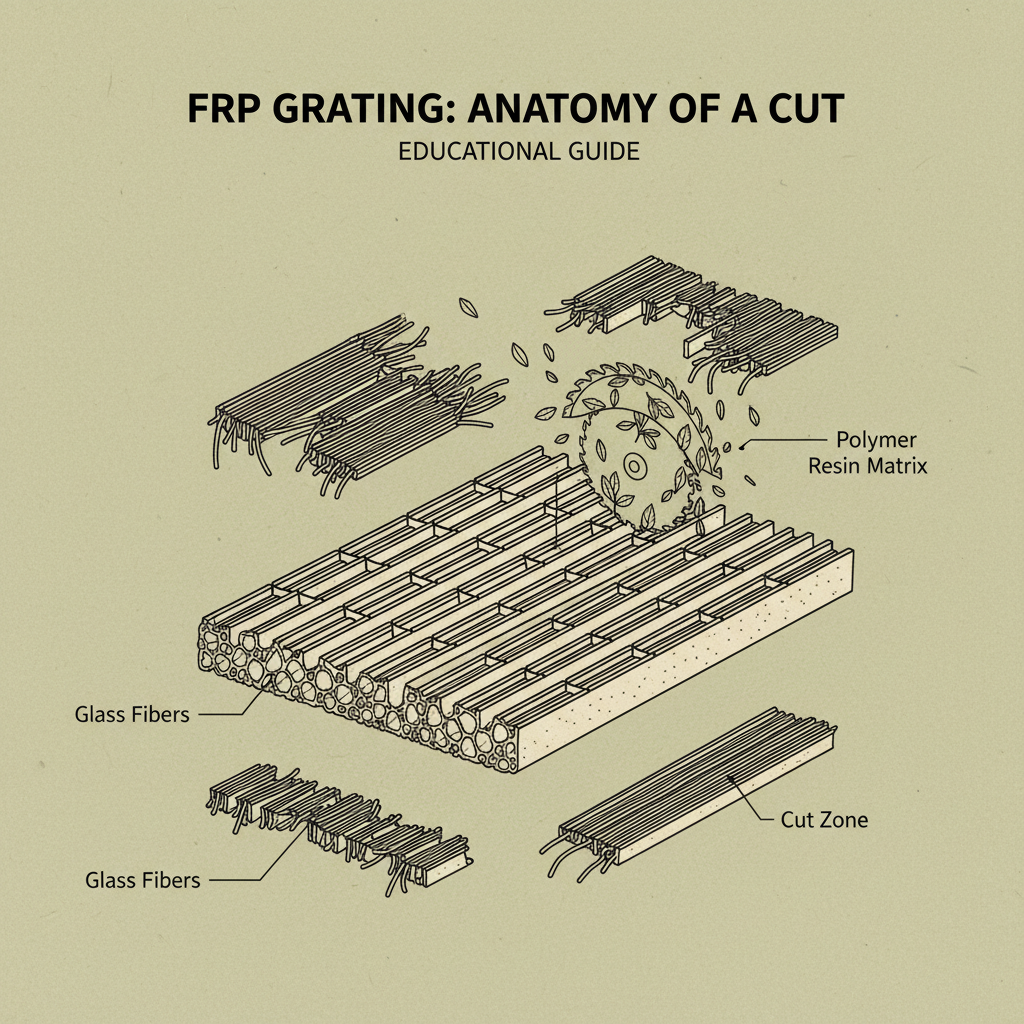
Expert Insights on Cutting FRP Grating Installation and Material Selection

The Latest Trends in FRP Grating

Expert Insights on Cutting FRP Grating Installation and Material Selection

Honestly, the big push right now is towards thinner profiles, higher load capacities, and, of course, lower costs. Everyone wants it all, right? We’re seeing a lot more molded gratings, which are smoother and generally easier to clean, especially in food processing plants. Also, there’s a growing demand for gratings with integrated safety features, like non-slip surfaces and edge protection. It’s good, but it adds complexity.

The resin formulations are changing too. They're trying to get more UV resistance, better chemical resistance… the list goes on. It's all about extending the lifespan and reducing maintenance. But the price goes up, naturally. It’s a constant balancing act.

Design Pitfalls: What Goes Wrong on Site

Okay, so what trips people up? A big one is underestimating the deflection. These things will flex under load, and if the design doesn’t account for that, you’ll end up with a wobbly, unstable grating. It looks fine empty, but put a few workers and some equipment on it, and suddenly you’ve got a problem.

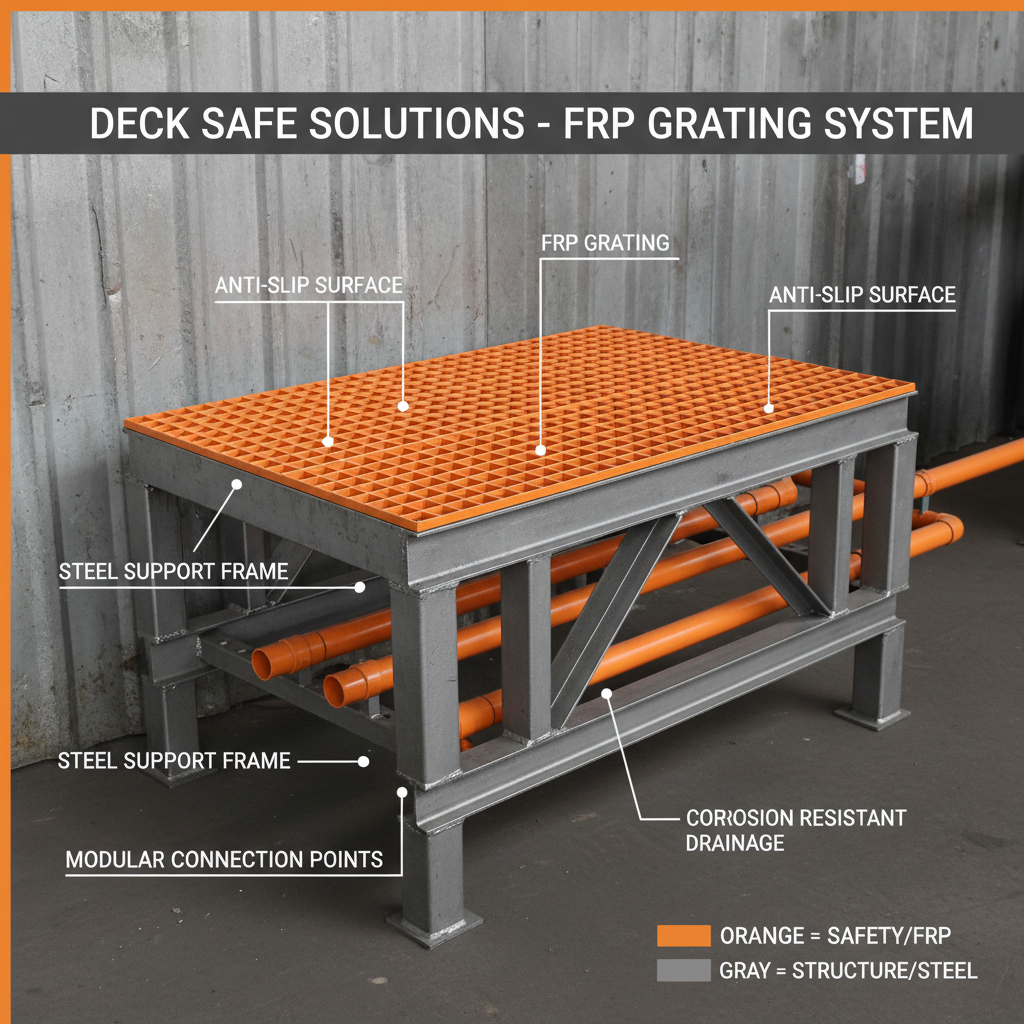
Another thing is the connection details. Getting those bolts and fasteners right is crucial. They’ve got to be compatible with the FRP material, and they need to be properly tightened. Too loose, and you get movement. Too tight, and you risk cracking the grating. It’s a surprisingly delicate balance.

And don’t even get me started on drainage. If you don't design for proper drainage, you’ll end up with water pooling on the grating, which leads to corrosion and, eventually, failure. It’s basic stuff, but you’d be surprised how often it’s overlooked.

Materials: A Hands-On Perspective

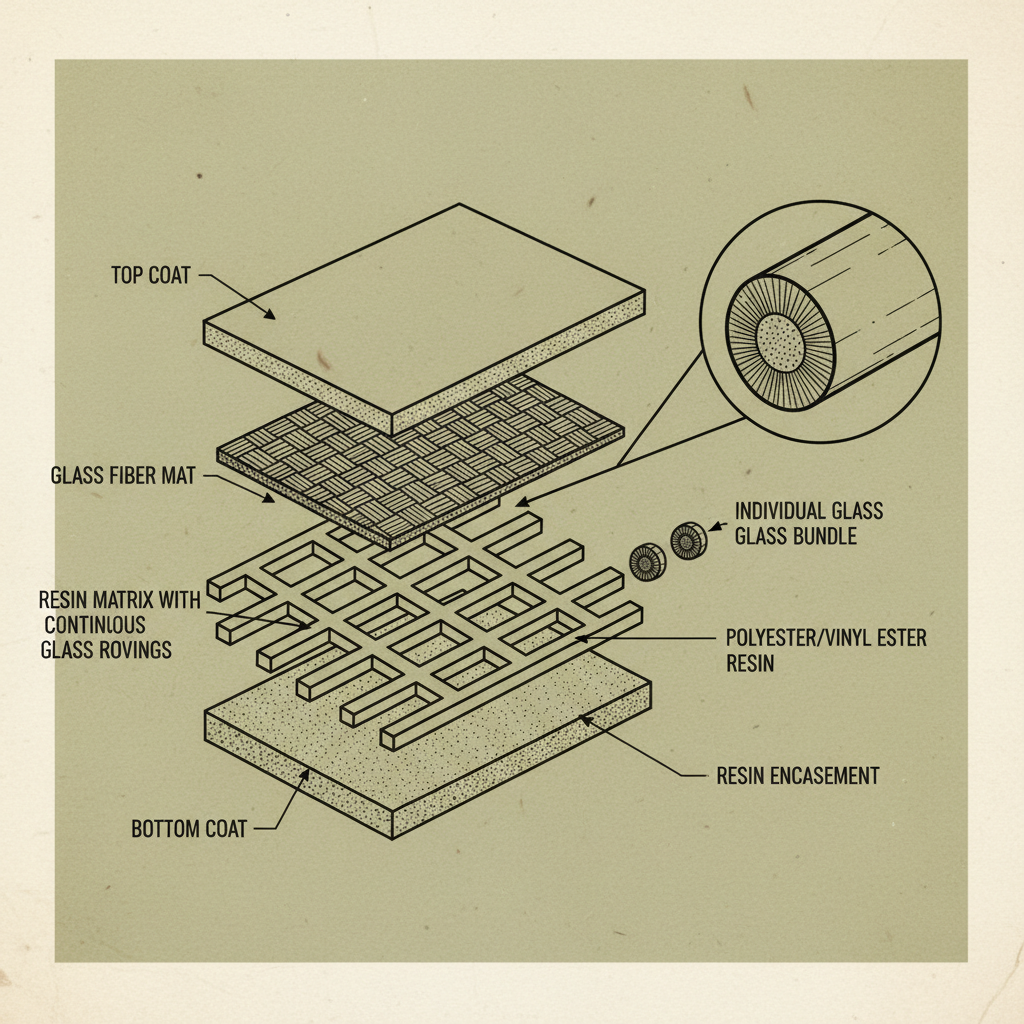
Like I said before, the fiberglass is key. E-glass is the most common, it's relatively inexpensive and has good strength. But for more demanding applications, you need S-glass or even carbon fiber, which is seriously expensive but incredibly strong and lightweight. You can feel the difference, though. Carbon fiber is almost… brittle.

The resins are where things get really interesting. Polyester is the cheapest, but it’s not very UV resistant. Vinyl ester is a step up, better chemical resistance and UV protection. Epoxy is the gold standard, it’s the strongest and most durable, but it’s also the most expensive. You really get what you pay for, honestly. I encountered a batch of cheap polyester grating at a water treatment plant last time… it was chalky and falling apart after just six months. A disaster.

Handling these materials? Wear gloves. Always. And a respirator when you're cutting or grinding. Those fiberglass particles are nasty to breathe in. And be careful with the resin, it’s a skin irritant. You learn these things the hard way.

Testing: Beyond the Lab

Lab tests are important, sure. They tell you the theoretical load capacity, the tensile strength, all that jazz. But real-world testing? That's where you find out what really happens. We do a lot of on-site load testing, putting actual weight on the grating and monitoring the deflection. It’s way more informative than any lab report.

FRP Grating Performance Metrics


Real-World Usage: It's Not Always What You Expect

People often think FRP grating is just for walkways and platforms, and it is, but we're seeing it used in all sorts of creative ways. Like, covering trenches in wastewater treatment plants, building entire floating docks, even as components in architectural facades. It’s surprisingly versatile.

But sometimes, users don't quite understand the limitations. I once saw a guy trying to weld something to an FRP grating. Yeah, that didn't end well. You have to use mechanical fasteners or adhesives specifically designed for FRP. It's not like welding steel.

Advantages and Disadvantages

The advantages are pretty clear: lightweight, corrosion-resistant, non-conductive, low maintenance. It's great for harsh environments, chemical plants, marine applications… places where steel would just rust away. But it’s not a silver bullet. The upfront cost is higher than steel, and it’s not as strong, pound for pound.

And, honestly, the aesthetic isn't always great. It looks… industrial. Unless you spend extra money on fancy finishes. Strangely enough, that’s becoming a bigger concern lately. People want things that look good and perform well.

Customization and a Customer Story

You can customize pretty much anything with FRP grating. The mesh size, the panel dimensions, the resin type, the color… you name it. Last month, this small boss in Shenzhen who makes smart home devices insisted on changing the interface to because he "liked the look of it". The result was a massive headache trying to find compatible fasteners. He learned a valuable lesson about sticking to standard sizes!

We once had a client who needed a grating with a specific pattern woven into it for a corporate logo. It was a pain to manufacture, but it looked fantastic. That kind of stuff makes the job worthwhile.

Summary of Key Considerations for FRP Grating Selection

Application Environment Load Requirements Maintenance Needs Budget Constraints
Chemical Processing Plant High (Heavy Machinery) Minimal (Corrosion Resistance) Medium
Wastewater Treatment Facility Moderate (Foot Traffic) Low (UV Exposure) Low
Offshore Oil Rig Extreme (Wave Impact) Very Low (Saltwater Resistance) High
Food Processing Plant Light (Foot Traffic) High (Hygiene Standards) Medium
Walkway in Coastal Area Moderate (Public Access) Medium (Salt Spray) Low
Industrial Platform High (Equipment Load) Low (General Wear) Medium

FAQS

What's the best way to cut FRP grating on a job site?

Forget about trying to use a hacksaw! Seriously. You need a diamond blade on a circular saw or a reciprocating saw. Dust control is key, too – wear a respirator and try to wet-cut to minimize airborne particles. And go slow, you don’t want to chip or crack the material. It's a bit of an art, takes practice. Always double-check the manufacturer's recommendations, though.

How do I properly fasten FRP grating without damaging it?

Avoid welding, obviously. Mechanical fasteners are the way to go. Use bolts, nuts, and washers made of compatible materials – stainless steel or hot-dip galvanized steel are good choices. Don’t overtighten them! You want them snug, but not so tight that you crush the grating. And use rubber washers to help distribute the load and prevent stress cracking. A bit of anti-seize lubricant on the threads can help too.

What's the lifespan of FRP grating in a marine environment?

That depends on the resin type and the exposure conditions. Vinyl ester resins are better than polyester for saltwater, but even they will degrade over time. Epoxy is the most durable, but it’s also the most expensive. With proper maintenance – regular cleaning and inspection – you can expect a lifespan of 15-20 years, sometimes longer. But the UV exposure will get to it eventually.

Is FRP grating a good option for high-traffic areas?

It can be, but you need to choose the right grating with the right mesh size and load capacity. Molded gratings tend to be more durable than pultruded gratings in high-traffic areas. You might also want to consider adding a non-slip surface coating to improve safety. And regular inspection is crucial – look for cracks, loose fasteners, and signs of wear.

Can FRP grating be painted?

You can, but it’s not as simple as painting steel. You need to use a paint that’s specifically designed for FRP and that will adhere properly. Surface preparation is key – you need to clean the grating thoroughly and roughen up the surface slightly to create a better bond. And don’t use just any paint; it's gotta be compatible with the resin. Believe me, I've seen the paint peel off and it's a mess.

What’s the most common mistake people make when installing FRP grating?

Not accounting for thermal expansion and contraction. FRP expands and contracts more than steel with temperature changes. If you don’t leave enough space for that movement, you’ll end up with stressed connections and potential failures. It seems small, but it’s a big deal. Always follow the manufacturer's installation guidelines. They know what they’re talking about, usually.

Conclusion

So, where does all this leave us? FRP grating is a fantastic material, offering a lot of advantages over traditional steel, especially in corrosive environments. But it’s not a one-size-fits-all solution. You need to understand the material properties, the installation requirements, and the limitations. It requires a bit more thought and planning than just slapping down some steel grating, but the long-term benefits are well worth the effort.

Ultimately, whether this thing works or not, the worker will know the moment he tightens the screw. And if he has to swear a little, well, that’s just part of the job. But if it's done right, it’ll last for years, saving everyone a lot of headaches and money. Check out zjcomposites.com for more information.

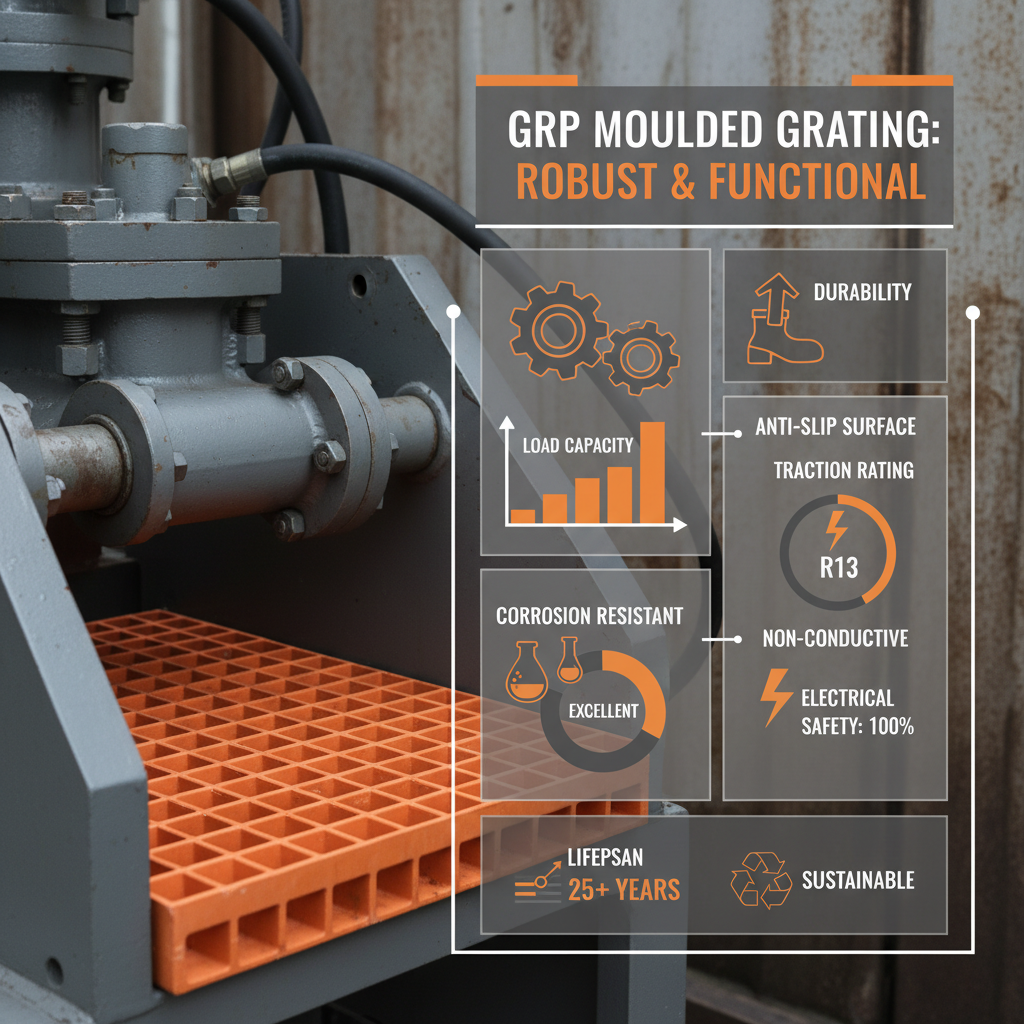
Jasper Thornton

Jasper Thornton

Jasper Thornton is a Quality Control Supervisor at ZJ Composites, responsible for ensuring all products meet stringent standards. With a meticulous approach and over 7 years of experience in manufacturing, Jasper oversees the inspection processes for FRP/GRP products, from raw materials to finished goods. He leads a team of skilled
Previous Exploring the Advantages and Applications of FRP Protruded Grating
Next Exploring the Advantages and Challenges of Gfrp Grating Applications