grp walkway grating is rapidly becoming an essential component in modern infrastructure, offering a robust and safe solution for pedestrian and operational access across a diverse range of industries. Its lightweight yet incredibly strong composition, derived from glass-reinforced polymer materials, provides a compelling alternative to traditional materials like steel and aluminum. This shift isn’t merely about material substitution; it represents a move toward enhanced safety, reduced lifecycle costs, and increased design flexibility – all critical factors in today’s demanding operational environments.
The global demand for safe and durable walkway solutions is escalating, fueled by increasing industrial activity, stringent safety regulations, and a growing awareness of the long-term benefits of utilizing corrosion-resistant materials. According to industry reports, the grp walkway grating market is projected to experience substantial growth in the coming years, particularly within sectors such as oil and gas, wastewater treatment, and chemical processing. Understanding the properties and applications of grp walkway grating is no longer a niche concern but a necessity for engineers, facility managers, and procurement professionals.
The inherent benefits of grp walkway grating—non-conductivity, non-magnetic properties, and resistance to harsh chemicals—make it an ideal choice in hazardous environments where safety is paramount. From offshore platforms to power plants, its ability to minimize risks and provide a secure working surface contributes directly to operational efficiency and employee well-being. As industries continue to prioritize safety and sustainability, grp walkway grating is positioned to play an increasingly vital role in shaping the future of infrastructure.
Introduction to grp walkway grating
Grp walkway grating represents a significant advancement in the field of industrial flooring and access solutions. Combining the strength of glass fibers with the durability of resin polymers, it delivers a composite material that outperforms traditional materials in many critical applications. The benefits extend beyond simple load-bearing capacity; grp walkway grating offers exceptional resistance to corrosion, chemicals, and extreme temperatures, making it suitable for harsh environments where conventional materials would rapidly degrade.
Its design versatility allows for customization to meet specific project requirements, encompassing various load capacities, span lengths, and mesh sizes. This adaptability, coupled with its relatively lightweight nature, simplifies installation and reduces overall project costs. The increasing adoption of grp walkway grating highlights a growing industry preference for long-lasting, low-maintenance, and safe access solutions.
Defining grp walkway grating
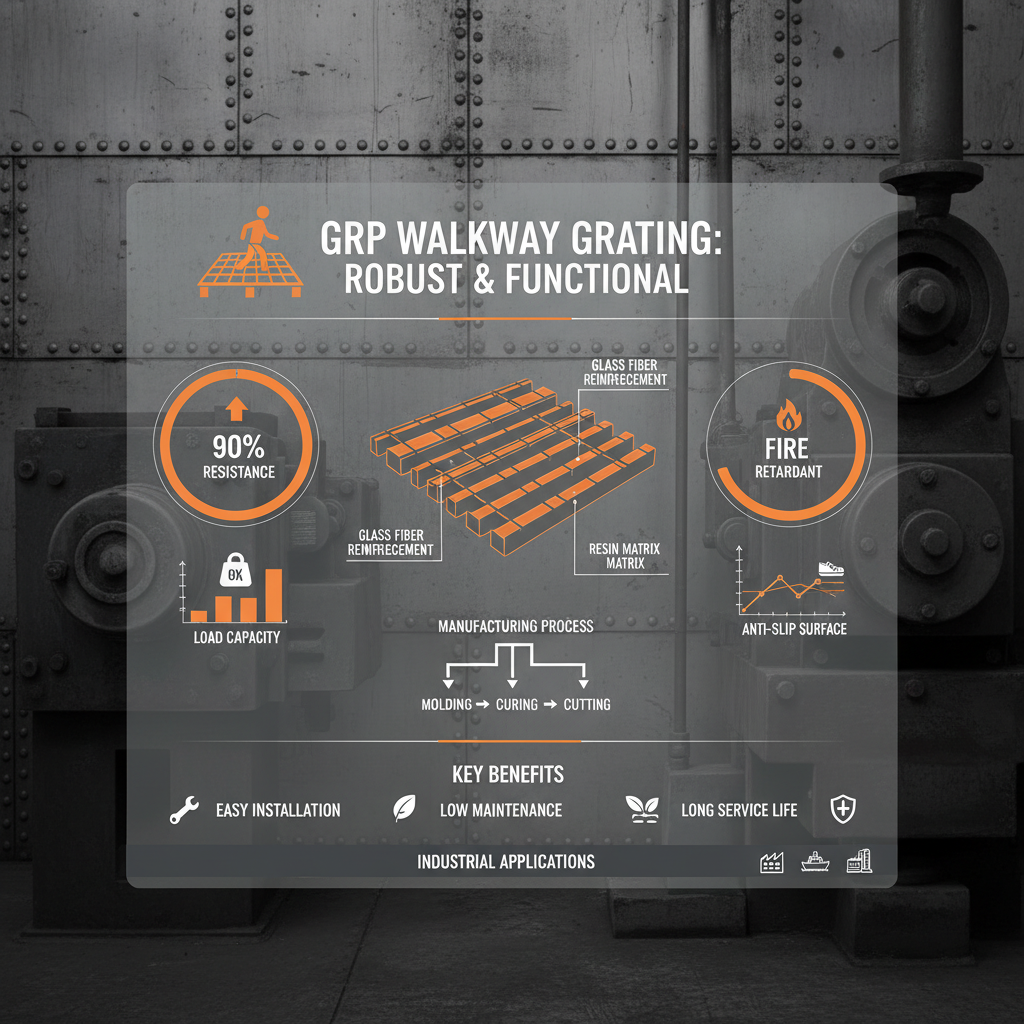
Grp walkway grating, short for glass-reinforced polymer walkway grating, is a composite material constructed from a matrix of thermosetting resins—typically polyester, vinyl ester, or epoxy—reinforced with glass fibers. This combination yields a product that is exceptionally strong for its weight, exhibiting high tensile and compressive strength, and remarkable resistance to corrosion. It’s manufactured using a molding process that interlocks the glass fibers within the resin matrix, creating a durable and structurally sound grating surface.
Unlike metal gratings that are susceptible to rust and corrosion, grp walkway grating is inert to a wide range of chemicals, making it ideal for use in chemical processing plants, wastewater treatment facilities, and marine environments. Furthermore, its non-conductive properties make it a safe choice in electrical environments, reducing the risk of shocks and grounding issues. The structural properties, coupled with the resistance to environmental factors, makes it a popular choice in modern industrial settings.
Its connection to modern industry stems from the need for safer, more durable, and cost-effective solutions in increasingly demanding environments. From offshore oil rigs to food processing plants, the demand for materials that can withstand harsh conditions without compromising structural integrity is continuously rising, and grp walkway grating directly addresses this critical need.
Core Components of grp walkway grating
The performance of grp walkway grating is directly linked to the quality and composition of its core components. The resin system forms the matrix that binds the glass fibers together, providing chemical resistance and structural integrity. Different resin types offer varying levels of performance – polyester resins are cost-effective for general applications, vinyl ester resins provide enhanced corrosion resistance, and epoxy resins deliver superior strength and durability for highly demanding environments.
Glass fibers are the primary reinforcement material, contributing significantly to the grating's strength and stiffness. The type and orientation of the glass fibers – whether continuous strand roving, chopped strand mat, or woven fabric – influence the grating's load-bearing capacity and impact resistance. The quality of the glass fibers and the resin-fiber ratio are critical factors determining the overall performance.
Finally, surface veils and coatings are often applied to enhance the grating's resistance to UV degradation, abrasion, and weathering. These additional layers provide a protective barrier, extending the service life of the grating and maintaining its aesthetic appearance. These components work synergistically to create a robust and reliable walkway solution.
Key Advantages of grp walkway grating
One of the most significant advantages of grp walkway grating is its exceptional corrosion resistance. Unlike steel, which requires regular painting and maintenance to prevent rust, grp grating is inherently immune to corrosion, even in harsh chemical environments and saltwater exposure. This leads to substantial cost savings over the lifespan of the grating, reducing the need for repairs and replacements.
Furthermore, grp walkway grating boasts a high strength-to-weight ratio, meaning it can support heavy loads while remaining significantly lighter than comparable steel structures. This reduced weight simplifies installation, lowers transportation costs, and minimizes the load on supporting structures.
Performance Comparison of grp walkway grating Methods
Global Applications of grp walkway grating
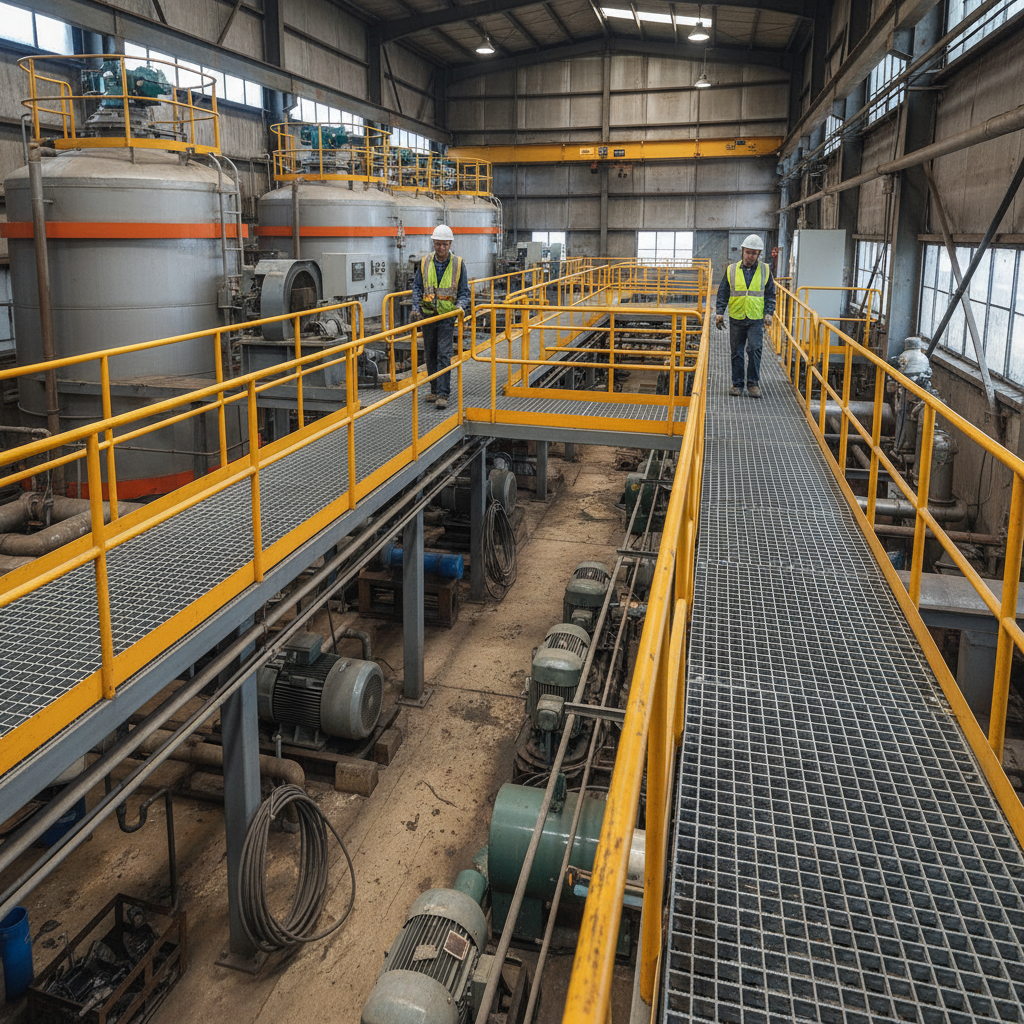
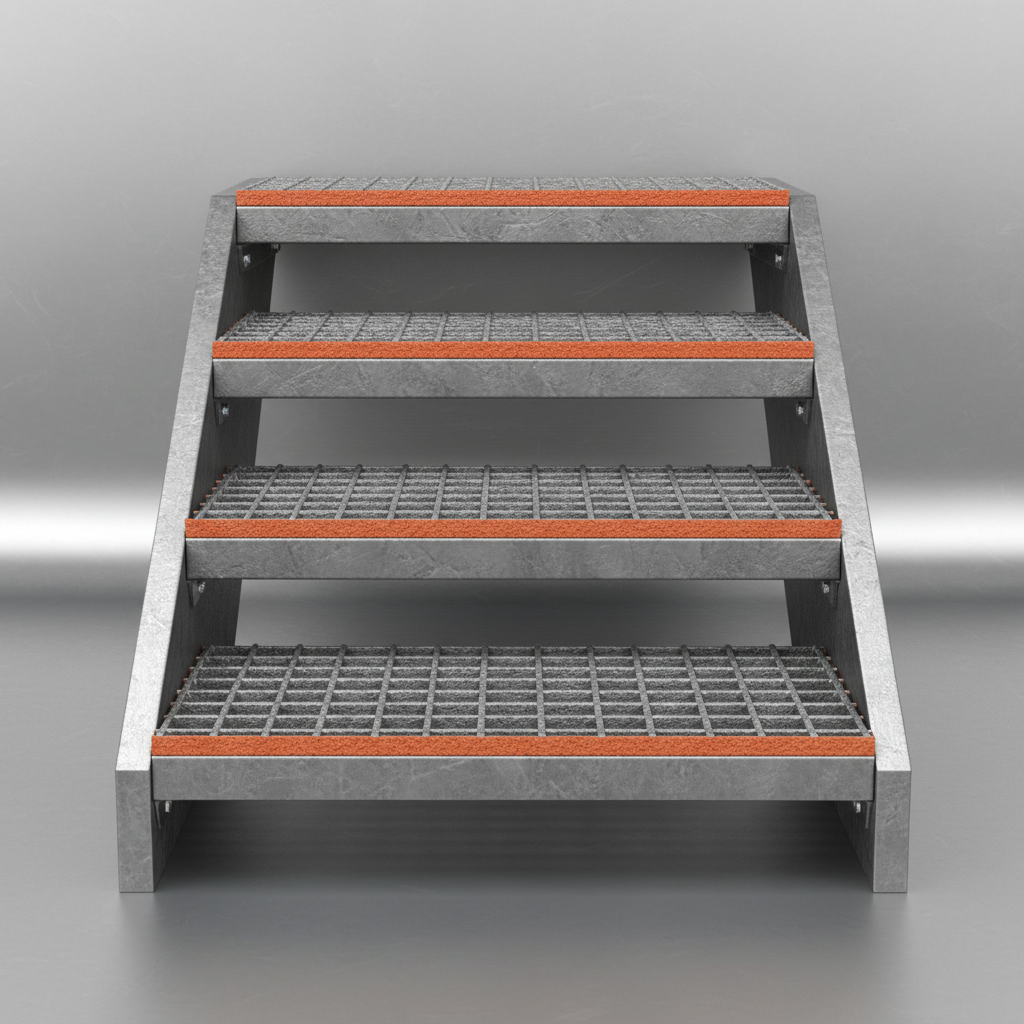
Grp walkway grating finds extensive application in the oil and gas industry, providing safe and reliable walkways on offshore platforms, refineries, and storage facilities, where corrosion is a constant threat. In the chemical processing industry, its chemical resistance makes it ideal for flooring, stair treads, and platforms exposed to corrosive substances.
Wastewater treatment plants also benefit significantly from grp walkway grating, utilizing it for walkways, platforms, and handrails due to its resistance to harsh chemicals and constant moisture. Furthermore, it’s becoming increasingly common in the power generation sector, providing safe access in electrical substations and power plants, capitalizing on its non-conductive properties.
Long-Term Value Proposition
The long-term value proposition of grp walkway grating extends far beyond its initial cost. While the upfront investment may be slightly higher than traditional materials, the reduced maintenance requirements and extended service life result in significant cost savings over the entire lifecycle. Eliminating the need for frequent painting, repairs, and replacements minimizes downtime and operational disruptions.
From a sustainability perspective, grp walkway grating contributes to a reduced environmental footprint by minimizing waste and lowering the demand for resource-intensive materials like steel. Its durability and longevity contribute to a circular economy, reducing the need for constant material replacement. Furthermore, the enhanced safety it provides safeguards employees and reduces the risk of costly accidents and liabilities.
Future Trends in grp walkway grating
Ongoing research and development efforts are focused on enhancing the performance and sustainability of grp walkway grating. This includes exploring new resin formulations with improved mechanical properties and increased bio-content. The integration of smart technologies, such as embedded sensors for structural health monitoring, is also gaining traction.
The adoption of advanced manufacturing techniques, like automated fiber placement, is enabling the production of more complex and customized grating designs, optimized for specific applications. Furthermore, the drive toward circular economy principles is fueling research into recycling and repurposing grp materials, reducing waste and promoting resource efficiency.
Summary of grp walkway grating Performance Characteristics
| Application Area |
Corrosion Resistance (1-10) |
Strength-to-Weight Ratio (1-10) |
Lifecycle Cost (1-10, 1=High Cost) |
| Oil & Gas Platforms |
10 |
9 |
2 |
| Chemical Processing Plants |
9 |
8 |
3 |
| Wastewater Treatment Facilities |
8 |
7 |
4 |
| Power Generation Plants |
7 |
6 |
5 |
| Food & Beverage Processing |
9 |
8 |
3 |
| Pharmaceutical Manufacturing |
10 |
7 |
2 |
FAQS
Grp walkway grating offers several key advantages over steel, including superior corrosion resistance, a significantly lower weight, and non-conductivity. This translates to reduced maintenance costs, easier installation, and enhanced safety in hazardous environments. Unlike steel, grp doesn't require painting or coatings to prevent rust, saving both time and money over its lifespan. It also eliminates the risk of electrical conductivity, making it ideal for applications near electrical equipment.
Grp walkway grating exhibits excellent performance in extreme temperatures, both hot and cold. It can withstand continuous exposure to temperatures ranging from -40°C to 120°C without significant degradation. While the mechanical properties may slightly vary with temperature, the material maintains its structural integrity and resistance to corrosion, making it suitable for a wide range of challenging environments.
The lifespan of grp walkway grating is considerably longer than that of traditional materials like steel or wood, typically exceeding 25 years, and often reaching 40 years or more with proper installation and maintenance. Its inherent corrosion resistance and durability contribute to its longevity, minimizing the need for costly replacements and ensuring a sustainable solution.
Grp walkway grating is relatively easy to install, thanks to its lightweight nature and pre-fabricated designs. It can be cut and modified using standard woodworking tools, simplifying the installation process. However, it’s crucial to follow the manufacturer's guidelines and ensure proper support structures are in place to maintain its structural integrity. Often, installation is faster and less labor-intensive compared to steel grating.
Grp walkway grating requires minimal maintenance compared to traditional materials. Routine inspections for any physical damage are recommended, but generally, no painting, coating, or welding is necessary. Cleaning with mild soap and water is usually sufficient to maintain its appearance and performance. This low-maintenance characteristic significantly reduces lifecycle costs.
Yes, grp walkway grating is a more sustainable choice compared to many traditional materials. Its long lifespan reduces the need for frequent replacements, minimizing waste. Ongoing research is also focused on developing grp materials with increased bio-content and improved recyclability, further enhancing its sustainability credentials. The reduced maintenance also contributes to a lower environmental impact.
Conclusion
In conclusion, grp walkway grating represents a significant advancement in materials technology, offering a compelling combination of durability, safety, and cost-effectiveness. Its resistance to corrosion, lightweight nature, and low maintenance requirements make it a superior alternative to traditional materials in a wide range of industrial applications. From oil and gas platforms to wastewater treatment plants, grp walkway grating is proving to be a reliable and sustainable solution for demanding environments.
Looking ahead, continued innovation in resin formulations and manufacturing techniques will further enhance the performance and broaden the applications of grp walkway grating. Embracing this technology is not just a matter of selecting a superior material; it’s an investment in long-term operational efficiency, employee safety, and environmental responsibility. To learn more about how grp walkway grating can benefit your project, visit our website: www.zjcomposites.com.