
loading...
- No. 9, Xingyuan South Street, Dongwaihuan Road, Zaoqiang County, Hengshui, Hebei, China
- admin@zjcomposites.com
- +86 15097380338
- Welcome to visit our website!

High Strength FRP Profiles – Durable Fiberglass I Beams for Construction
Why FRP Profiles Are Gaining Ground in Construction
If you’ve spent any time around industrial sites or structural engineering projects, you’ve probably noticed that frp profiles are becoming more than just buzzwords. Frankly, it feels like every time I visit a new plant or construction zone, these fiberglass-reinforced polymer structural profiles pop up, replacing traditional steel or aluminum. Why? Well, there are a few reasons, and they all boil down to performance and reliability — two things engineers and fabricators really care about.
First off, the material itself is fascinating. These profiles are pultruded fiberglass—the process sort of makes the fibers “lock” into place with resin, creating beams and shapes that are incredibly strong yet surprisingly lightweight. It’s not just the weight saving that’s noteworthy, though that helps with transportation and installation tremendously. What impresses me most is their resilience.
Unlike steel, which can corrode in harsh environments (and we all know how brutal some industrial sites can be), FRP profiles shrug off moisture, chemicals, and temperature swings like they were designed for it. It’s no wonder facilities near coastal areas or chemical plants have started specifying these more often. Low maintenance means less downtime — and in real terms, that can save companies serious money.
Customization is another factor. These profiles aren’t one-size-fits-all. It’s quite common to see them designed with specific cross-sections like I-beams, channels, or even custom shapes, tailored for the project at hand. From walkways to load-bearing structural supports, FRP profiles seem to flex their versatility. I remember a project where the client needed corrosion-resistant beams in a saltwater environment. The fiberglass I-beams met the specs without hesitation, whereas traditional steel designs would have required heavy coatings and regular upkeep.
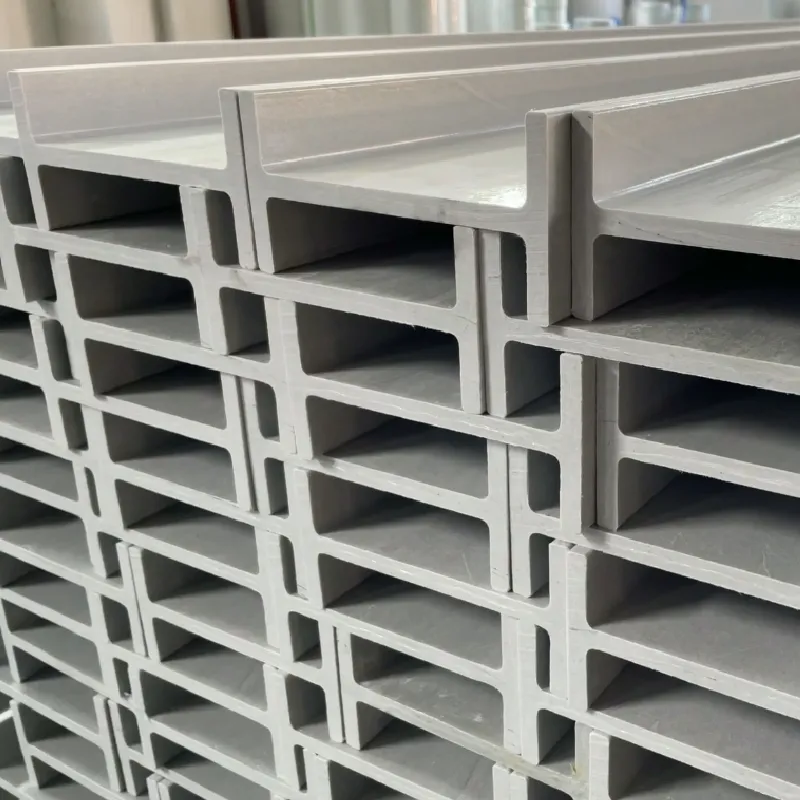
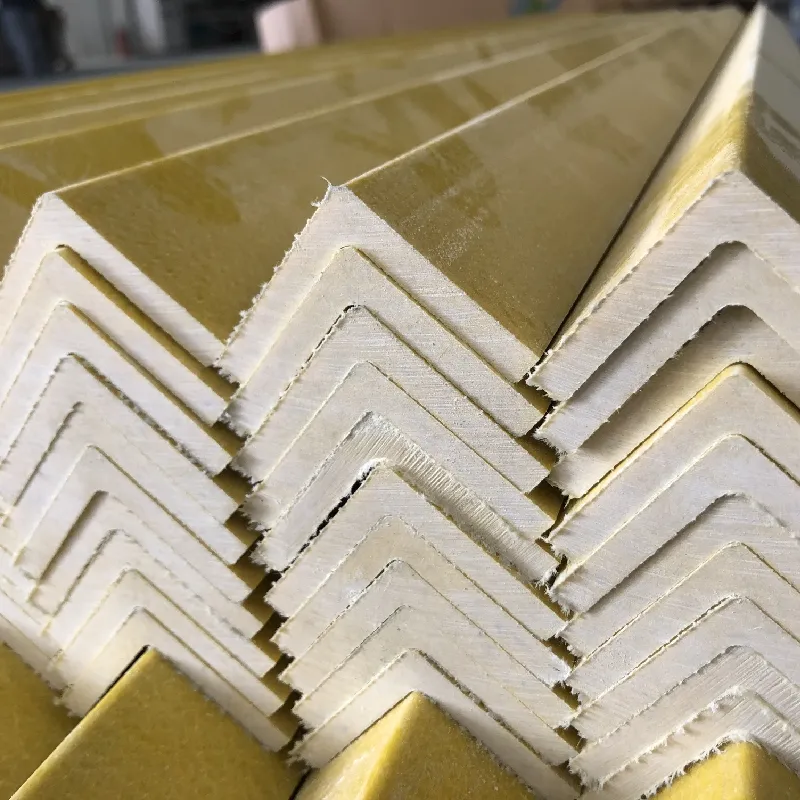
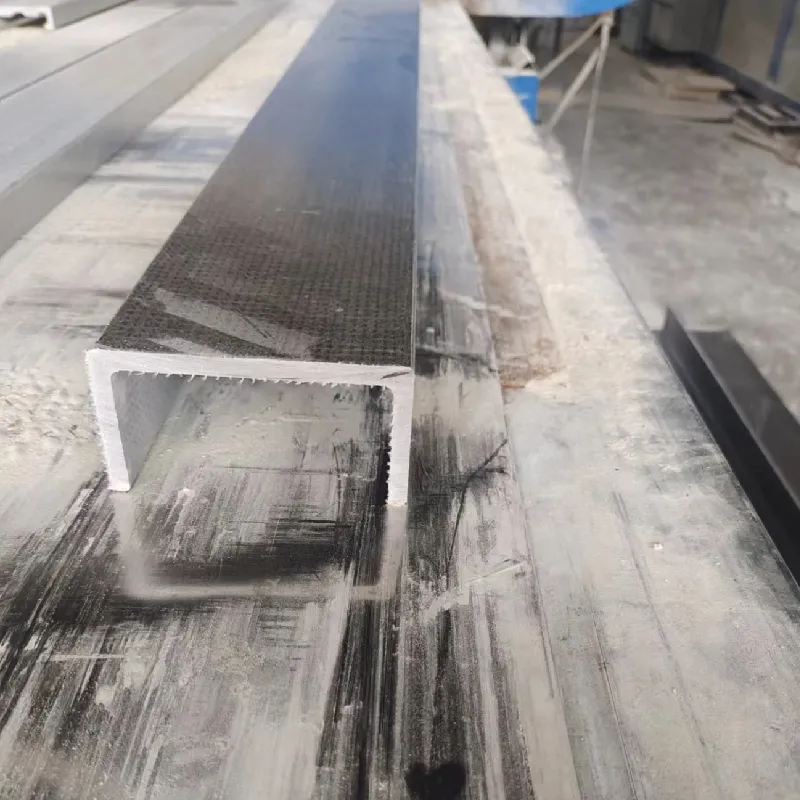
High Strength FRP Pultruded Profile Fiberglass I Beam — Key Specs
| Specification | Details |
|---|---|
| Material | Fiberglass Reinforced Polymer (Pultruded) |
| Profile Type | I-Beam |
| Density | ~1.8 g/cm³ |
| Tensile Strength | >200 MPa |
| Corrosion Resistance | Excellent |
| Typical Applications | Construction, Industrial Facilities, Chemical Plants |
Comparing FRP Profiles Vendors
Not all FRP profile suppliers are created equal, which can surprise newcomers. In my experience, it’s often the smaller details — material sourcing, molding precision, and after-sale support — that separate one vendor from another.
| Feature | ZJ Composites | Competitor A | Competitor B |
|---|---|---|---|
| Material Quality | Consistent, high-grade fiberglass resin | Varies batch to batch | Good but fewer product lines |
| Customization Options | Wide range, including bespoke profiles | Limited to standard profiles | Moderate customization available |
| Lead Time | 2-4 weeks | 4-6 weeks | 3-5 weeks |
| Technical Support | Responsive and knowledgeable | Limited technical back-up | Standard support |
I recall working on one offshore platform where the challenge was not just strength, but weight and resistance to salt spray. We ended up specifying these FRP profiles from ZJ Composites — they handled the conditions without blistering or rusting, and mounting was a breeze because the beams were light yet sturdy. There’s something quite satisfying about using a material that feels both advanced and practical.
All told, if you’re involved in structural projects or manufacturing in aggressive environments, considering FRP makes a lot of sense nowadays. It isn’t without its quirks — the design process can require a bit more upfront engineering input to account for different expansion rates or connection methods than steel — but the long-term gains pay off.
If you want to peek deeper into these products or get samples, I’d suggest checking out this High Strength FRP Pultruded Profile Fiberglass I Beam for Construction page. It’s well laid out and honestly, it helped me get a better grasp on what’s possible when you move beyond the usual metals.
So yeah, FRP profiles might feel like just another acronym to some, but in our line of work, they’re game-changers. I suppose the best way to sum it up is: lighter, tougher, and smarter materials are increasingly the standard, not the exception.
— A veteran industrial equipment specialist
References:
- “Composite Materials in Construction,” Journal of Industrial Engineering, 2023.
- ZJ Composites Product Brochure, 2024.
- Industry Reports on Structural Material Longevity, 2022.
-
High Quality Fiberglass Rods for Electric Fence Insulation GuideNewsApr.16,2026
-
Benefits and Guide of Installing a White Fiberglass FenceNewsApr.09,2026
-
Choosing the Right Fibreglass Fence for Property Enhancement and LongevityNewsApr.07,2026
-
Comprehensive Guide to Durable Fiberglass Fence Rods and Their ApplicationsNewsMar.31,2026
-
Comprehensive Guide to Durable Fiberglass Fence Post Solutions for Various ApplicationsNewsMar.28,2026
-
Comprehensive Guide to Fiberglass Fencing Benefits and ApplicationsNewsMar.26,2026
-
Comprehensive Guide to Choosing the Right Safety Guard System for Industrial ProtectionNewsMar.24,2026