
loading...
- No. 9, Xingyuan South Street, Dongwaihuan Road, Zaoqiang County, Hengshui, Hebei, China
- admin@zjcomposites.com
- +86 15097380338
- Welcome to visit our website!

Large Square Water Tanks: Durable Stainless Steel Storage
The Evolving Landscape of Industrial Water Storage Solutions
In the contemporary industrial and municipal landscape, efficient, reliable, and hygienic water storage is not merely a utility but a critical infrastructure component impacting operational continuity, public health, and environmental sustainability. The demand for advanced water storage solutions has surged, driven by increasing regulatory scrutiny, a greater emphasis on resource management, and the imperative for long-term infrastructure resilience. Among the myriad options, large square water tanks have emerged as a preferred choice for a diverse range of applications due to their inherent structural advantages, modularity, and superior material characteristics, particularly when fabricated from stainless steel.
The industry is currently witnessing several key trends: a shift towards more sustainable and recyclable materials, the integration of smart monitoring technologies for real-time data analysis, and an increasing preference for modular designs that offer installation flexibility and scalability. These trends collectively underscore the growing sophistication required in water storage infrastructure. Stainless steel water tank rectangular designs, in particular, capitalize on these trends by offering exceptional longevity, resistance to corrosion and biological growth, and efficient utilization of spatial footprints, making them an economically viable and environmentally responsible investment over their extended service life.
This comprehensive guide delves into the intricate details of these robust storage systems, from their precise manufacturing processes and stringent quality control measures to their extensive application across various sectors, technical specifications, and the unparalleled advantages they offer. We aim to provide a profound understanding for B2B decision-makers and technical personnel considering optimal water storage solutions.
Engineering Excellence: The Manufacturing Process of Large Square Water Tanks
The fabrication of high-quality large square water tanks is a meticulous process demanding precision engineering, advanced material science, and adherence to rigorous quality standards. The choice of material is paramount, with food-grade stainless steel (predominantly SUS304 and SUS316L) being the gold standard for its exceptional corrosion resistance, hygienic properties, and durability. SUS304, with its 18% chromium and 8% nickel content, offers excellent resistance to oxidation and common corrosive agents, making it suitable for a vast array of applications. For more aggressive environments, such as those involving chlorides or highly acidic/alkaline solutions, SUS316L (with added molybdenum) provides enhanced corrosion resistance, particularly against pitting and crevice corrosion, ensuring the integrity of the stored media.
Detailed Manufacturing Process Flow:
- Design and Engineering (CAD/CAM): The process commences with detailed structural and fluid dynamics analysis. Advanced CAD (Computer-Aided Design) software is used to create precise blueprints, optimizing tank dimensions, panel layouts, reinforcement structures, and nozzle placements. CAM (Computer-Aided Manufacturing) then translates these designs into machine-readable instructions for automated fabrication. This phase ensures maximum space utilization and structural integrity for every stainless steel water tank rectangular unit.
- Material Selection and Preparation: Certified food-grade stainless steel sheets (e.g., SUS304, SUS316L, ranging from 1.5mm to 4.0mm in thickness depending on tank size and application) are sourced. These materials undergo rigorous inspection for chemical composition, mechanical properties, and surface finish to ensure compliance with international standards such as ASTM A240.
- Precision Cutting: High-precision cutting techniques, predominantly laser cutting or plasma cutting, are employed to cut the stainless steel sheets into required panel sizes and shapes. These methods ensure minimal material waste and extremely accurate dimensions, crucial for the subsequent assembly.
- Hydraulic Pressing/Panel Forming: The flat cut sheets are then transferred to high-tonnage hydraulic presses equipped with specialized molds. This process forms the individual tank panels, often with specific corrugations or patterns that enhance structural rigidity and eliminate potential weak points. For sectional tanks, these panels typically include flanges for bolted connections.
- Welding and Sealing: Automated robotic welding, primarily using TIG (Tungsten Inert Gas) or MIG (Metal Inert Gas) welding, is employed for assembling the panels. Robotic welding ensures consistent weld quality, penetration, and minimizes heat-affected zones, preventing material distortion and preserving corrosion resistance. For integral tanks, seams are continuously welded; for sectional tanks, the emphasis is on precision-formed flanges for bolted connections, often augmented with non-toxic, food-grade sealants (e.g., EPDM rubber).
- Internal and External Reinforcement: Depending on the tank’s capacity and design, internal cross bracing or external stiffeners (typically made from stainless steel or hot-dip galvanized steel) are integrated to counteract hydrostatic pressure and ensure long-term structural stability. These reinforcements are carefully designed to minimize contact with stored water, particularly for potable water applications.
- Surface Treatment and Passivation: Post-welding, all weld seams and heat-affected areas are meticulously cleaned to remove oxides and discolouration. This is followed by passivation, a chemical process (e.g., using nitric acid solutions) that restores the chromium oxide layer on the stainless steel surface, enhancing its passive corrosion resistance and ensuring superior hygiene. Electro-polishing may be applied for extremely demanding hygienic applications.
- Quality Control and Testing: Each tank undergoes a multi-stage quality assurance process. This includes visual inspection, dimensional checks, weld integrity testing (e.g., liquid penetrant testing, ultrasonic testing for critical welds), and finally, hydrostatic pressure testing. During hydrostatic testing, the tank is filled with water and held under pressure for a specified period (e.g., 24-48 hours) to detect any leaks or structural weaknesses. Non-destructive testing (NDT) methods like radiographic testing can be used for critical applications.
- Final Assembly and Accessories: Once manufacturing and testing are complete, necessary accessories such as manholes, inlet/outlet nozzles, ladders, vents, level indicators, and insulation (if required) are fitted. The tank is then prepared for shipment.
The entire manufacturing process adheres to stringent international standards, including ISO 9001 for quality management systems, ANSI/AWWA D100 for welded carbon steel tanks for water storage (though stainless steel tanks follow similar structural principles), and for food-grade applications, compliance with FDA (Food and Drug Administration) regulations and NSF/ANSI 61 for potable water components. The projected service life of a well-maintained stainless steel tank typically exceeds 30-50 years, significantly outperforming conventional materials due to its inherent resistance to degradation.
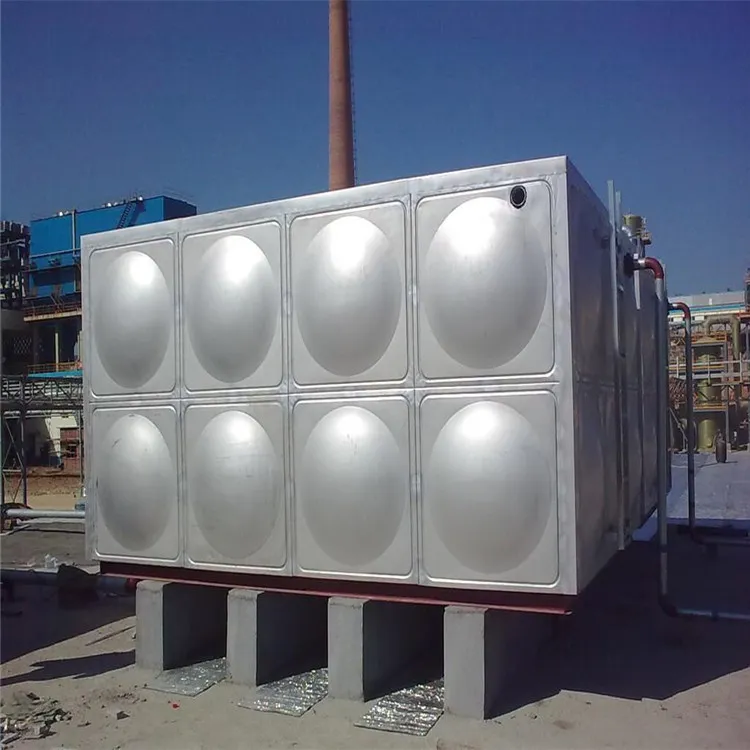
Precision engineering is at the heart of manufacturing high-quality large square water tanks.
These manufacturing advancements allow products like our Quality Assurance Food Grade Stainless Steel Water Tank for Storage Water to deliver unparalleled performance in demanding environments, offering significant advantages in energy efficiency (especially with insulation), superior corrosion resistance, and exceptional longevity across various applications.
Technical Specifications and Performance Parameters of Square Water Tanks
Understanding the technical specifications of large square water tanks is crucial for proper selection and integration into industrial and commercial systems. These parameters directly influence performance, safety, and suitability for specific applications. A high-quality stainless steel water tank rectangular unit is engineered to meet diverse operational demands, ranging from potable water storage to chemical processing.
Key Technical Parameters:
- Capacity Range: Typically from 1,000 liters (0.26 MG) to over 5,000,000 liters (1.32 MG) for custom industrial applications. Modular designs allow for scalable capacities.
- Material Grades: Standard food-grade SUS304 (equivalent to EN 1.4301) for general applications, and SUS316L (equivalent to EN 1.4404) for enhanced corrosion resistance in aggressive chemical environments or for high-purity water. Material thickness ranges from 1.5mm to 5.0mm, varying with tank size and pressure requirements.
- Dimensions: Customizable length, width, and height. Standard modules often range from 1m x 1m to 2m x 2m panels, allowing for flexible overall tank footprints. Height can vary from 1m to 5m or more, depending on structural calculations and site constraints.
- Temperature Range: Typically -20°C to +80°C for standard stainless steel. Specialized insulation and internal heating/cooling coils can extend this range significantly for process water or thermal storage applications (e.g., -50°C to +150°C for specific applications).
- Pressure Rating: Atmospheric pressure for most storage applications. However, designs can accommodate internal pressures up to 0.5 MPa (5 bar) for specific processes or vacuum conditions, with appropriate reinforcement.
- Seismic Resistance: Engineered to withstand seismic forces based on local building codes (e.g., IBC, ASCE 7). Designs incorporate base isolation, anchorage, and internal baffling to minimize sloshing effects during seismic events.
- Insulation Options: External insulation (e.g., rock wool, polyurethane foam with aluminum or stainless steel cladding) for thermal regulation, reducing energy consumption for heated or chilled water storage. Insulation thickness varies from 50mm to 150mm.
- Connection Types: Customizable flange sizes (DN50 to DN600 or larger) for inlet, outlet, overflow, drain, and vent connections. Standard pipe threads (NPT, BSP) for smaller connections.
- Access & Maintenance: Typically include hinged or bolted manholes (DN600-DN800) for internal inspection and cleaning. External ladders, internal ladders, and platforms may be integrated for safe access.
- Internal Finish: Smooth, polished surface (e.g., Ra < 0.8 µm for food-grade) to prevent bacterial growth and facilitate cleaning.
Comparative Data: Typical Large Square Water Tank Specifications
The following table provides a general overview of specifications for various types of large square water tanks, highlighting their versatility and performance characteristics. These values represent typical industry offerings and can be customized to specific project requirements.
| Parameter | Stainless Steel (SUS304) Standard | Stainless Steel (SUS316L) High-Purity/Corrosion | Galvanized Steel Sectional | FRP/GRP Sectional (Composite) |
|---|---|---|---|---|
| Capacity Range | 10m³ - 5,000m³+ | 5m³ - 2,000m³+ | 1m³ - 20,000m³+ | 1m³ - 10,000m³+ |
| Material Grade | SUS304 (1.4301) | SUS316L (1.4404) | Hot-Dip Galvanized Steel (HDG) | FRP/GRP Composite |
| Corrosion Resistance | Excellent (general) | Superior (chlorides, acids) | Good (zinc coating lifespan) | Excellent (specific chemicals) |
| Hygienic Properties | Excellent (smooth, non-porous) | Superior (enhanced smoothness) | Good (requires liner for potable) | Good (smooth, inert) |
| Typical Lifespan | 30-50+ years | 40-60+ years | 15-30 years | 20-40 years |
| Installation Flexibility | High (modular, custom) | High (modular, custom) | Very High (sectional) | Very High (sectional) |
| Maintenance | Low | Very Low | Moderate (coating inspection) | Low (UV degradation check) |
| Cost (Relative) | High | Very High | Medium | Medium |
The inherent advantages of a stainless steel water tank rectangular design, such as optimal space utilization due to their modularity and geometric efficiency, combined with superior structural integrity, make them a compelling choice for projects demanding high performance and a long-term return on investment.
Diverse Applications and Sector-Specific Advantages
The versatility and robust characteristics of large square water tanks, particularly those constructed from stainless steel, make them indispensable across a broad spectrum of industrial, commercial, and municipal sectors. Their adaptability to varying fluid types, environmental conditions, and capacity requirements allows for tailored solutions that optimize operational efficiency and safety.
Applicable Industries and Specific Benefits:
- Water Treatment & Municipal Supply:
Used for potable water storage, raw water equalization, treated wastewater holding, and fire suppression reserves. Stainless steel ensures compliance with stringent health regulations (e.g., NSF/ANSI 61, FDA) by preventing contamination and biofilm formation. Their modular design facilitates easy expansion for growing urban needs.
- Food & Beverage Processing:
Critical for storing ingredients like purified water, syrups, and brines, as well as for CIP (Clean-In-Place) systems. The smooth, non-porous surface of stainless steel tanks prevents bacterial accumulation, ensuring product purity and adherence to HACCP standards. A stainless steel water tank rectangular configuration often fits better into the constrained spaces of processing plants.
- Pharmaceutical & Biotechnology:
Essential for storing WFI (Water for Injection), purified water, and process solutions. SUS316L tanks with electropolished surfaces offer the highest level of hygiene and corrosion resistance, crucial for preventing leaching and maintaining pharmaceutical integrity. Compliance with cGMP (current Good Manufacturing Practices) is paramount.
- Petrochemical & Chemical Processing:
Deployed for storing demineralized water, cooling water, and various non-corrosive or mildly corrosive chemicals. Their robust construction and corrosion resistance make them ideal for harsh industrial environments, offering long-term reliability and reducing the risk of hazardous leaks.
- HVAC & Building Services:
Integral for chiller systems, hot water storage, and thermal energy storage. Insulated stainless steel tanks minimize heat loss/gain, significantly contributing to energy efficiency in commercial and institutional buildings. Their compact, square footprint is ideal for rooftop installations or tight plant rooms.
- Agriculture & Aquaculture:
Used for irrigation water storage, rainwater harvesting, and fish farming (aquaculture). Stainless steel ensures water quality for crops and aquatic life, while offering durability against environmental elements.
- Mining & Metallurgy:
Provides storage for process water, dust suppression water, and specialized chemical solutions required in mineral processing. The extreme durability of stainless steel withstands the demanding conditions and often abrasive nature of these operations.
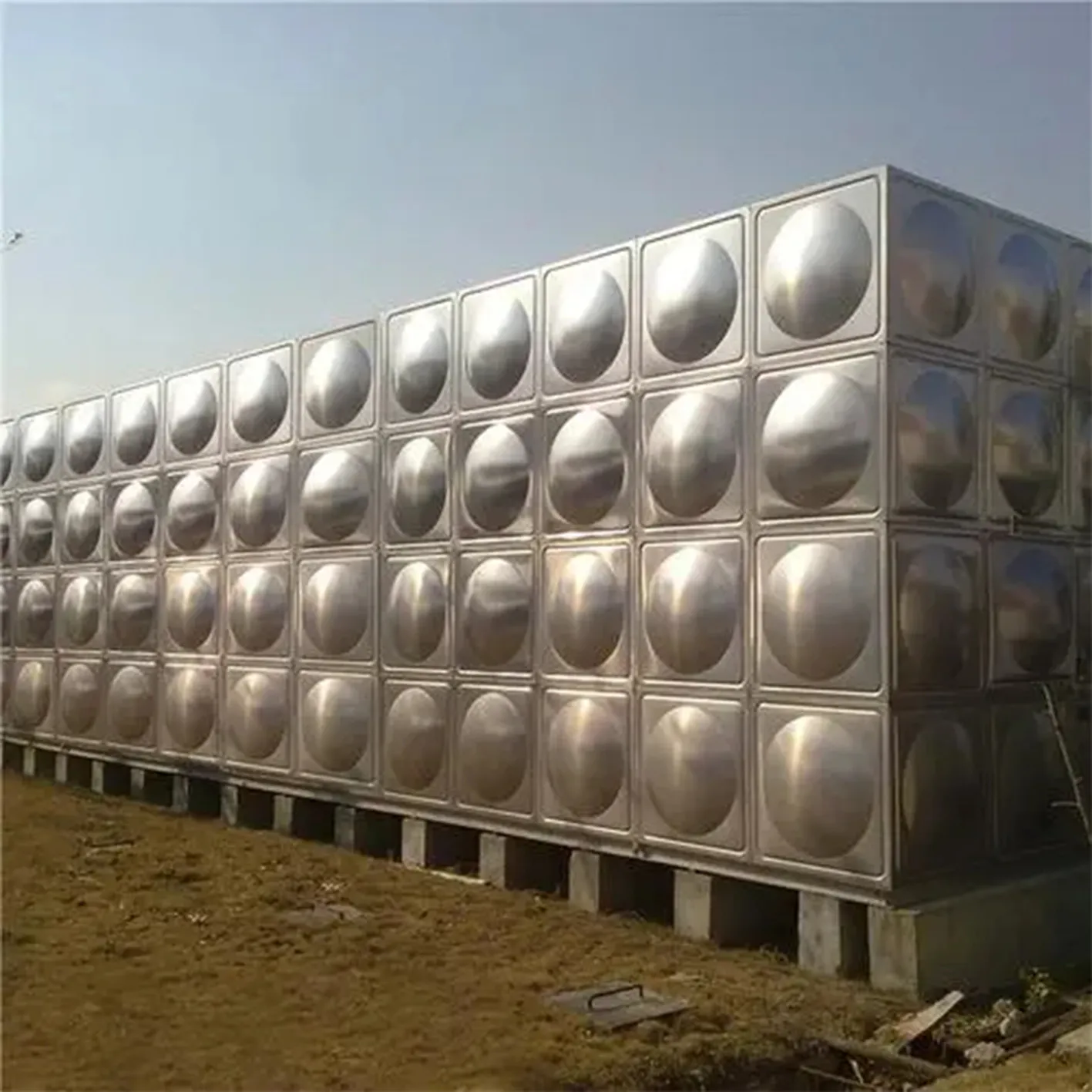
The adaptability of large square water tanks extends across a multitude of industries.
In each of these sectors, the unique properties of stainless steel tanks, such as their inherent anti-corrosion capabilities, resistance to high temperatures, and ease of cleaning, translate into tangible benefits: reduced maintenance costs, extended equipment lifespan, enhanced operational safety, and compliance with stringent industry regulations. This makes investing in a high-quality stainless steel water tank rectangular system a strategic decision for long-term infrastructure resilience.
Unpacking Technical Advantages of Stainless Steel Square Tanks
The strategic adoption of large square water tanks constructed from stainless steel is underpinned by a multitude of technical advantages that collectively contribute to superior performance, cost-efficiency, and environmental responsibility. Unlike alternative materials, stainless steel offers a unique combination of properties that are critically important for diverse water storage applications.
Key Technical Advantages:
- Superior Corrosion Resistance: Stainless steel forms a passive chromium oxide layer on its surface, which provides exceptional resistance to corrosion, rust, and chemical degradation. This is particularly vital for storing potable water, where taste and odor must remain unaffected, or in industrial settings where tanks are exposed to aggressive chemicals (e.g., chlorides, acids, alkalis). SUS304 performs well in most freshwater environments, while SUS316L offers enhanced resistance to pitting and crevice corrosion, making it suitable for saline or high-chloride content water. This eliminates the need for internal linings or coatings that can degrade over time.
- Exceptional Hygienic Properties: The non-porous, smooth surface of stainless steel inhibits the adhesion and growth of bacteria, algae, and other microorganisms (biofilm). This makes it ideal for food-grade, pharmaceutical, and potable water applications where maintaining sterile or ultra-pure conditions is paramount. Tanks are easy to clean and sanitize, reducing operational downtime and chemical consumption associated with sterilization protocols. Compliance with standards like NSF/ANSI 61 and FDA guidelines is readily achievable.
- Structural Integrity and Durability: Stainless steel possesses high tensile strength and ductility, allowing tanks to withstand significant hydrostatic pressures, external loads (e.g., snow, wind, seismic activity), and thermal expansion/contraction without structural deformation. The inherent strength ensures a long operational lifespan, often exceeding 30-50 years, even in challenging environments, leading to a lower total cost of ownership over time. The modular nature of many large square water tanks also contributes to enhanced structural stability through interlocked panel systems.
- Thermal Efficiency and Insulation Compatibility: Stainless steel tanks can be readily insulated with various materials (e.g., rock wool, polyurethane foam) and clad with aluminum or more stainless steel. This significantly reduces heat transfer, making them highly efficient for storing heated water for industrial processes (e.g., boiler feed water, hot water for washing) or chilled water for HVAC systems. This thermal regulation capability translates directly into energy savings and consistent process temperatures.
- Environmental Sustainability and Recyclability: Stainless steel is 100% recyclable without any loss of quality. At the end of its long service life, a stainless steel water tank rectangular unit can be fully recycled, reducing landfill waste and minimizing the environmental footprint. Its durability also reduces the frequency of replacement, further conserving resources. This aligns with modern corporate sustainability initiatives and environmental regulations.
- Versatile Design and Customization: The modular panel design of square tanks offers unparalleled flexibility in terms of capacity and footprint. Tanks can be custom-fabricated to fit specific dimensions, optimizing available space in confined areas or maximizing storage in larger sites. This includes customization of nozzle sizes, manhole configurations, internal baffles, and integration of specialized instrumentation ports.
- Low Maintenance Requirements: Due to their inherent corrosion resistance and smooth surface, stainless steel tanks require minimal maintenance compared to concrete or carbon steel tanks that often need periodic recoating, cathodic protection, or extensive cleaning. This reduces labor costs and operational disruptions.
These advantages collectively position stainless steel large square water tanks as a premier choice for demanding applications where reliability, hygiene, longevity, and operational efficiency are non-negotiable. The initial investment is justified by the significantly lower lifecycle costs and superior performance.
Customization Solutions and Design Flexibility
One of the most compelling aspects of modern large square water tanks, particularly those constructed with stainless steel, is their inherent design flexibility and the extensive customization options available. Unlike monolithic tanks that offer limited dimensional variability, the modular panel system of a stainless steel water tank rectangular design allows for precise tailoring to specific site conditions and operational requirements. This adaptability is crucial for optimizing space, integrating with existing infrastructure, and meeting unique process demands.
Key Customization Areas:
- Capacity and Dimensions: The most fundamental customization involves tailoring the tank's volume and physical footprint. Utilizing standard panel sizes (e.g., 1m x 1m, 1m x 0.5m, 0.5m x 0.5m), manufacturers can construct tanks to virtually any desired length, width, and height. This is invaluable for projects with limited installation space, odd-shaped footprints, or specific aesthetic requirements, such as fitting into basements, rooftops, or existing building envelopes.
- Material Grade and Thickness: While SUS304 is common, specific applications might demand SUS316L for enhanced corrosion resistance (e.g., for aggressive chemicals, saltwater environments, or ultra-pure water systems). Panel thickness can also be adjusted based on the tank's size, internal pressure, and seismic zone requirements, ensuring optimal structural integrity without over-engineering.
- Inlet/Outlet and Nozzle Configurations: The number, size, and precise location of inlets, outlets, overflows, drains, vents, and other penetrations can be fully customized. This includes standard flange connections (ANSI, DIN, JIS), threaded connections, or specialized fittings for pumps, sensors, or process lines. Proper placement optimizes fluid dynamics within the tank and simplifies pipework integration.
- Internal Accessories: For specialized applications, internal features can be incorporated. These include:
- Baffles: To prevent sloshing in seismic zones or during rapid filling/draining, or to promote specific flow patterns for mixing.
- Heating/Cooling Coils: Internal coils or external jacketing for temperature control of stored liquids, essential for process water, chemicals, or thermal energy storage.
- Internal Ladders/Platforms: For safe and easy access during inspection and cleaning, designed to meet OSHA or local safety standards.
- Agitator/Mixer Mounts: Reinforced mounting points for industrial agitators to ensure homogeneity of stored liquids.
- External Features and Access: Customization extends to external elements such as:
- Manholes: Various sizes and types (e.g., hinged, bolted, pressure-rated) can be specified for access.
- Insulation and Cladding: For thermal efficiency, insulation type and thickness can be customized, with cladding materials ranging from aluminum to color-coated steel or additional stainless steel for aesthetics or environmental protection.
- Support Structures: Tanks can be designed for ground-level installation, elevated on steel structures, or integrated into existing building frameworks. Base frames, anchor bolts, and seismic restraint systems are designed to site-specific conditions.
- Level Indicators and Instrumentation Ports: Integration of sight glasses, float switches, pressure transducers, temperature sensors, and other automation components for real-time monitoring and control.
- Surface Finish: Beyond standard pickling and passivation, electropolishing can be applied for ultra-high purity applications (e.g., pharmaceutical, semiconductor), resulting in an even smoother surface that further resists microbial growth and material adhesion.
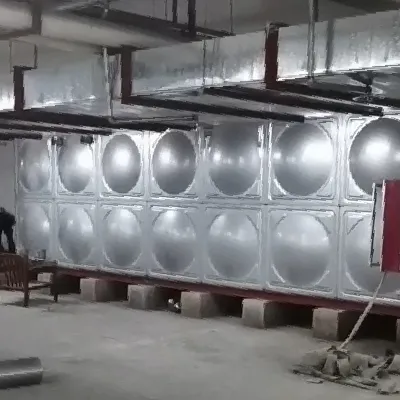
Customization ensures that large square water tanks meet precise project specifications.
Reputable manufacturers engage in a thorough consultation process, providing detailed engineering drawings (including 3D models), structural calculations, and material certifications to ensure that the final large square water tanks solution perfectly aligns with client expectations and regulatory requirements. This bespoke approach minimizes on-site modifications and accelerates project completion, delivering a tailor-made storage solution for optimum performance.
Real-World Application Case Studies
The practical benefits of large square water tanks, particularly those made from stainless steel, are best illustrated through their successful deployment in real-world scenarios. These case studies highlight how their technical advantages translate into tangible operational improvements and cost savings for various industries.
Case Study 1: Municipal Water Treatment Plant Expansion
- Challenge: A growing metropolitan area required a rapid expansion of its treated water storage capacity. Existing infrastructure limited the footprint for new tanks, and the local climate demanded robust, maintenance-free solutions for potable water.
- Solution: Two custom-designed 1,500m³ (approx. 400,000 US gallons) large square water tanks fabricated from SUS304 stainless steel were installed. The modular design allowed the tanks to be assembled efficiently within the restricted space, optimizing the available area. The tanks were equipped with advanced level monitoring systems and integrated into the plant's SCADA system.
- Outcome: The stainless steel water tank rectangular units ensured superior water quality, adhering to stringent drinking water standards without the need for periodic re-linings or extensive chemical treatments. The low maintenance requirements significantly reduced operational costs, and the rapid on-site assembly minimized disruption to ongoing plant operations. The long lifespan of the stainless steel provided a reliable solution for future population growth.
Case Study 2: Pharmaceutical Plant High-Purity Water Storage
- Challenge: A pharmaceutical manufacturer needed a new storage solution for purified water (PW) and water for injection (WFI) that met cGMP regulations, including requirements for ultra-high hygiene, minimal bacterial growth, and chemical inertness. Space within the cleanroom facility was extremely limited.
- Solution: A bespoke 200m³ stainless steel water tank rectangular unit was designed using SUS316L material with an electropolished internal surface. The tank incorporated internal spray balls for CIP (Clean-In-Place) systems, a sterile vent filter, and multiple ports for direct integration with the plant's purified water loop and critical instrumentation.
- Outcome: The advanced stainless steel tank ensured the highest levels of water purity, preventing biofilm formation and chemical leaching, critical for pharmaceutical production. Its compact, custom footprint allowed it to be seamlessly integrated into the cleanroom without requiring costly structural modifications. The solution achieved full validation and compliance with regulatory bodies, enhancing product quality and reducing validation cycle times.
Case Study 3: Data Center Cooling Water Buffer
- Challenge: A large data center required a reliable, insulated buffer tank for its chilled water cooling system to manage load fluctuations and ensure continuous operation during peak demand or maintenance periods. The tank needed to be installed on a rooftop, demanding a relatively lightweight yet robust solution.
- Solution: An insulated 500m³ large square water tanks fabricated from SUS304 stainless steel was chosen. The tank featured 100mm thick closed-cell foam insulation with an external aluminum cladding to minimize thermal losses and protect against weather elements. Its modular panel construction facilitated transportation to the rooftop and efficient on-site assembly.
- Outcome: The insulated stainless steel tank effectively maintained the chilled water temperature, significantly reducing the energy consumption of the cooling system. Its robust, weather-resistant design ensured long-term reliability for the critical data center operations. The lightweight nature of the panelized system, compared to concrete tanks, made rooftop installation feasible and cost-effective.
These diverse examples underscore the strategic value of investing in high-quality large square water tanks. Their adaptability, combined with the inherent benefits of stainless steel, provides resilient, hygienic, and efficient water storage solutions across a wide range of demanding industrial and commercial applications.
Choosing the Right Partner: Manufacturer Considerations
Selecting a manufacturer for your large square water tanks is as critical as defining the technical specifications themselves. The quality, reliability, and long-term performance of your water storage system are directly tied to the expertise, reputation, and commitment of the supplier. For B2B decision-makers, a thorough vetting process is essential to ensure a successful project and minimize risks.
Key Factors to Consider When Evaluating Manufacturers:
- Experience and Track Record: Prioritize manufacturers with a proven history of designing, fabricating, and installing large square water tanks, especially stainless steel water tank rectangular units, for similar applications to yours. Inquire about their years in business, number of successful installations, and client references. A long-standing presence in the market often indicates reliability and expertise.
- Certifications and Compliance: Verify that the manufacturer adheres to relevant international and industry standards. Look for certifications such as:
- ISO 9001: For Quality Management Systems, ensuring consistent product quality.
- ISO 14001: For Environmental Management Systems, indicating responsible manufacturing practices.
- NSF/ANSI 61: For potable water system components, crucial for public health and safety.
- FDA Compliance: For food-grade and pharmaceutical applications.
- AWS (American Welding Society) or equivalent welding certifications: Demonstrates high standards in welding quality.
- Manufacturing Capabilities and Technology: Assess their production facilities. Do they utilize advanced machinery like laser cutting, robotic welding, and hydraulic presses? State-of-the-art equipment ensures precision, efficiency, and superior build quality. A tour or detailed presentation of their manufacturing process can be highly informative.
- Engineering and Design Expertise: A top-tier manufacturer will have a strong in-house engineering team capable of offering bespoke design solutions, conducting structural analysis, and producing detailed CAD drawings and 3D models. They should be able to consult on optimal material selection, tank configuration, and integration with your existing systems.
- Quality Control (QC) Protocols: Inquire about their quality assurance and control procedures at every stage, from raw material inspection to final hydrostatic testing. A robust QC system, including NDT (Non-Destructive Testing) for welds and comprehensive performance testing, is indicative of a reliable product.
- After-Sales Support and Warranty: A reputable manufacturer provides comprehensive post-installation support, including maintenance guidelines, spare parts availability, and responsive technical assistance. A clear and substantial warranty period on materials and workmanship is a strong indicator of product confidence.
- Project Management and Installation Support: For large or complex projects, inquire about their project management capabilities. Do they offer supervision for on-site assembly, or can they recommend experienced installation teams? Clear communication and logistical coordination are vital for timely and efficient project completion.
- Reputation and Client Testimonials: Seek out independent reviews, industry recognition, and direct client testimonials. A manufacturer with a strong reputation for reliability, customer service, and product excellence is a safer bet.
By diligently evaluating these factors, B2B decision-makers can forge a partnership with a manufacturer that not only supplies a high-quality stainless steel water tank rectangular solution but also provides the expertise and support necessary for long-term operational success and peace of mind.
Ensuring Trust and Reliability: Your Partner in Water Storage
In the B2B sector, trust and reliability are paramount. When investing in critical infrastructure like large square water tanks, particularly for sensitive applications, it's essential to partner with a manufacturer that demonstrates expertise, experience, authority, and trustworthiness. Beyond product specifications, a comprehensive support framework ensures peace of mind and long-term operational success.
Frequently Asked Questions (FAQ)
- Q1: How long do stainless steel large square water tanks typically last?
A1: With proper design, manufacturing, and maintenance, stainless steel tanks are engineered for an exceptional lifespan, typically exceeding 30 to 50 years. SUS316L can even last longer in highly corrosive environments. - Q2: Are these tanks suitable for potable water storage?
A2: Absolutely. Food-grade stainless steel (SUS304, SUS316L) is highly inert and non-leaching, making it ideal for potable water. Manufacturers should provide certification of compliance with standards like NSF/ANSI 61 and FDA for assured safety. - Q3: What maintenance is required for a stainless steel water tank?
A3: Stainless steel tanks require minimal maintenance. Periodic inspection for external damage, checking seals and fittings, and internal cleaning (typically every 1-3 years depending on water quality) are usually sufficient. No re-lining or cathodic protection is needed. - Q4: Can stainless steel tanks be installed outdoors?
A4: Yes, stainless steel is highly resistant to UV radiation and weather elements. For extreme climates, insulation with external cladding is recommended to maintain water temperature and protect against environmental factors. - Q5: What is the typical lead time for a custom large square water tank?
A5: Lead times vary based on tank size, complexity of customization, and current production schedules. Generally, it can range from 8-16 weeks from design approval to factory acceptance testing. Expedited options may be available for urgent projects. - Q6: How does the cost of stainless steel tanks compare to other materials?
A6: While the initial capital expenditure for stainless steel tanks might be higher than for concrete or FRP tanks, their significantly longer lifespan, lower maintenance requirements, superior hygiene, and recyclability often result in a lower total cost of ownership (TCO) over the project's lifecycle.
Delivery and Installation Support
Understanding the logistics of delivery and installation is vital for project planning. Reputable manufacturers provide comprehensive support, from factory to site:
- Logistics Coordination: Detailed planning for panel and component delivery to the site, often in a flat-pack or modular format to reduce transportation costs and facilitate access to constrained sites.
- Installation Guidance: Provision of detailed assembly manuals, engineering drawings, and technical supervision or training for local installation teams. For complex projects, manufacturers may offer full on-site installation services.
- Pre-shipment Inspection (PSI): Allowing clients to inspect the tank components at the factory before shipment ensures all specifications are met.
Warranty and After-Sales Commitment
A robust warranty and proactive after-sales support are hallmarks of a trustworthy partner. Our commitment includes:
- Comprehensive Warranty: A standard warranty typically covers manufacturing defects and material integrity for a period of 5 to 10 years, with options for extended coverage. This demonstrates confidence in product quality and durability.
- Technical Support: Access to experienced engineers and technical staff for troubleshooting, operational advice, and optimization post-installation.
- Spare Parts Availability: Ensuring readily available spare parts for fittings, seals, and accessories throughout the tank's operational life.
- Ongoing Partnership: Beyond the sale, we aim to build long-term relationships, offering consultation for future expansions, upgrades, or new projects.
By choosing a partner that excels in these areas, you are not just purchasing a product but investing in a reliable, high-performance solution backed by extensive industry knowledge and dedicated customer support, ensuring your large square water tanks infrastructure contributes positively to your long-term strategic goals.
Conclusion: The Indispensable Role of Advanced Water Storage
In an era defined by increasing demand for sustainable resource management and resilient infrastructure, the choice of water storage solutions has never been more critical. Large square water tanks, particularly those meticulously engineered from food-grade stainless steel, represent the pinnacle of modern water storage technology. Their combination of unparalleled durability, inherent hygienic properties, modular design flexibility, and exceptional resistance to corrosion establishes them as a superior choice across a vast array of industrial, commercial, and municipal applications.
From ensuring the purity of potable water and maintaining sterile conditions in pharmaceutical manufacturing to providing critical reserves for fire suppression and optimizing thermal energy in HVAC systems, the technical advantages of a stainless steel water tank rectangular unit are clear. The detailed manufacturing processes, adhering to stringent international standards like ISO and FDA, guarantee a product that offers a significantly longer lifespan and lower total cost of ownership compared to traditional materials.
For B2B decision-makers and technical professionals, investing in these advanced water storage solutions is a strategic move towards operational efficiency, enhanced safety, and environmental responsibility. The ability to customize tanks to precise project specifications, coupled with robust after-sales support and comprehensive warranties, underscores the commitment of leading manufacturers to long-term client success.
As industries continue to evolve, demanding more efficient, sustainable, and reliable infrastructure, large square water tanks will undoubtedly remain an indispensable component, securing vital water resources for generations to come.
Authoritative References
- American Society of Mechanical Engineers (ASME). ASME Boiler and Pressure Vessel Code, Section VIII, Division 1: Rules for Construction of Pressure Vessels.
- ASTM International. ASTM A240/A240M: Standard Specification for Chromium and Chromium-Nickel Stainless Steel Plate, Sheet, and Strip for Pressure Vessels and for General Applications.
- National Sanitation Foundation (NSF) / American National Standards Institute (ANSI). NSF/ANSI 61: Drinking Water System Components – Health Effects.
- International Organization for Standardization (ISO). ISO 9001: Quality Management Systems – Requirements.
- United States Food and Drug Administration (FDA). Code of Federal Regulations, Title 21, Part 177: Indirect Food Additives: Polymers.
- American Water Works Association (AWWA). AWWA D100: Standard for Welded Carbon Steel Tanks for Water Storage. (Note: While for carbon steel, principles of design and application are often referenced for stainless steel tanks in water service).
- Stainless Steel World. Various articles on stainless steel properties, fabrication, and applications in water and process industries.
-
High Quality Fiberglass Rods for Electric Fence Insulation GuideNewsApr.16,2026
-
Benefits and Guide of Installing a White Fiberglass FenceNewsApr.09,2026
-
Choosing the Right Fibreglass Fence for Property Enhancement and LongevityNewsApr.07,2026
-
Comprehensive Guide to Durable Fiberglass Fence Rods and Their ApplicationsNewsMar.31,2026
-
Comprehensive Guide to Durable Fiberglass Fence Post Solutions for Various ApplicationsNewsMar.28,2026
-
Comprehensive Guide to Fiberglass Fencing Benefits and ApplicationsNewsMar.26,2026
-
Comprehensive Guide to Choosing the Right Safety Guard System for Industrial ProtectionNewsMar.24,2026