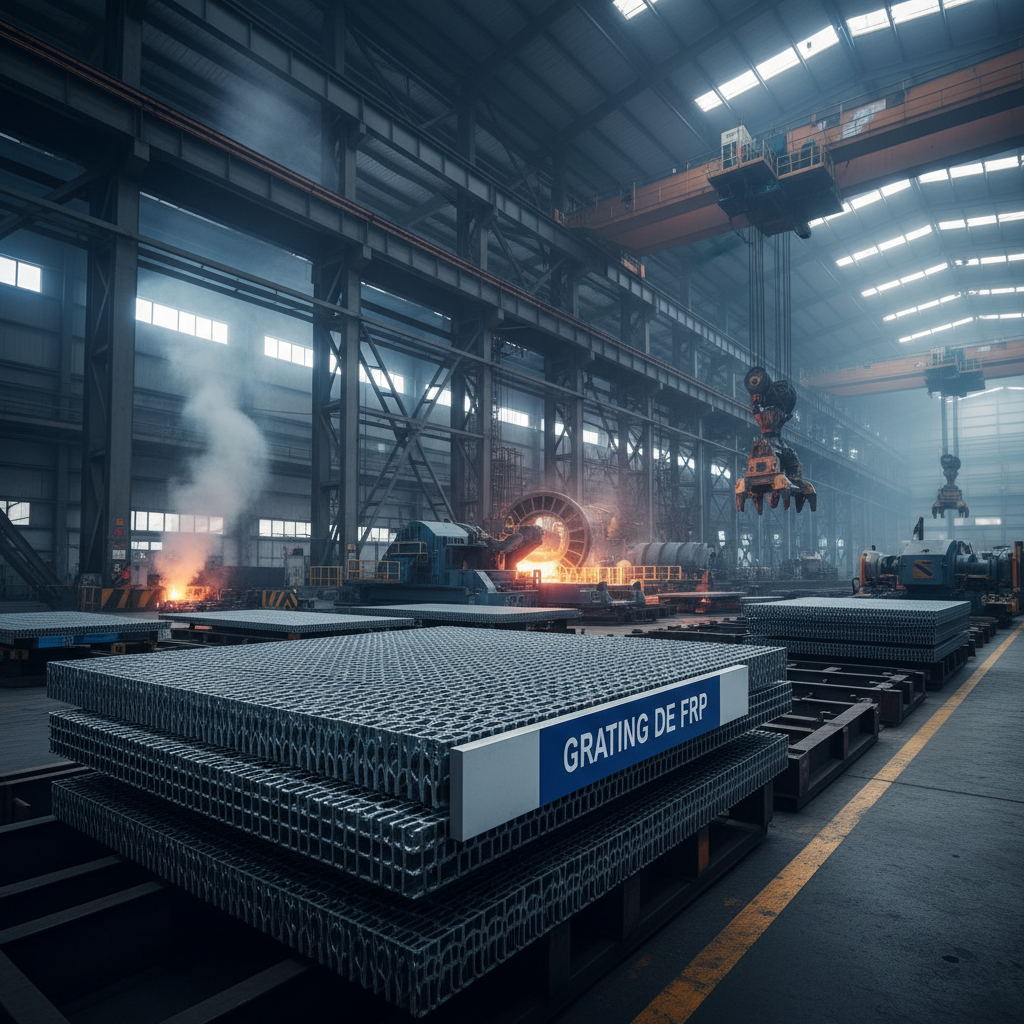
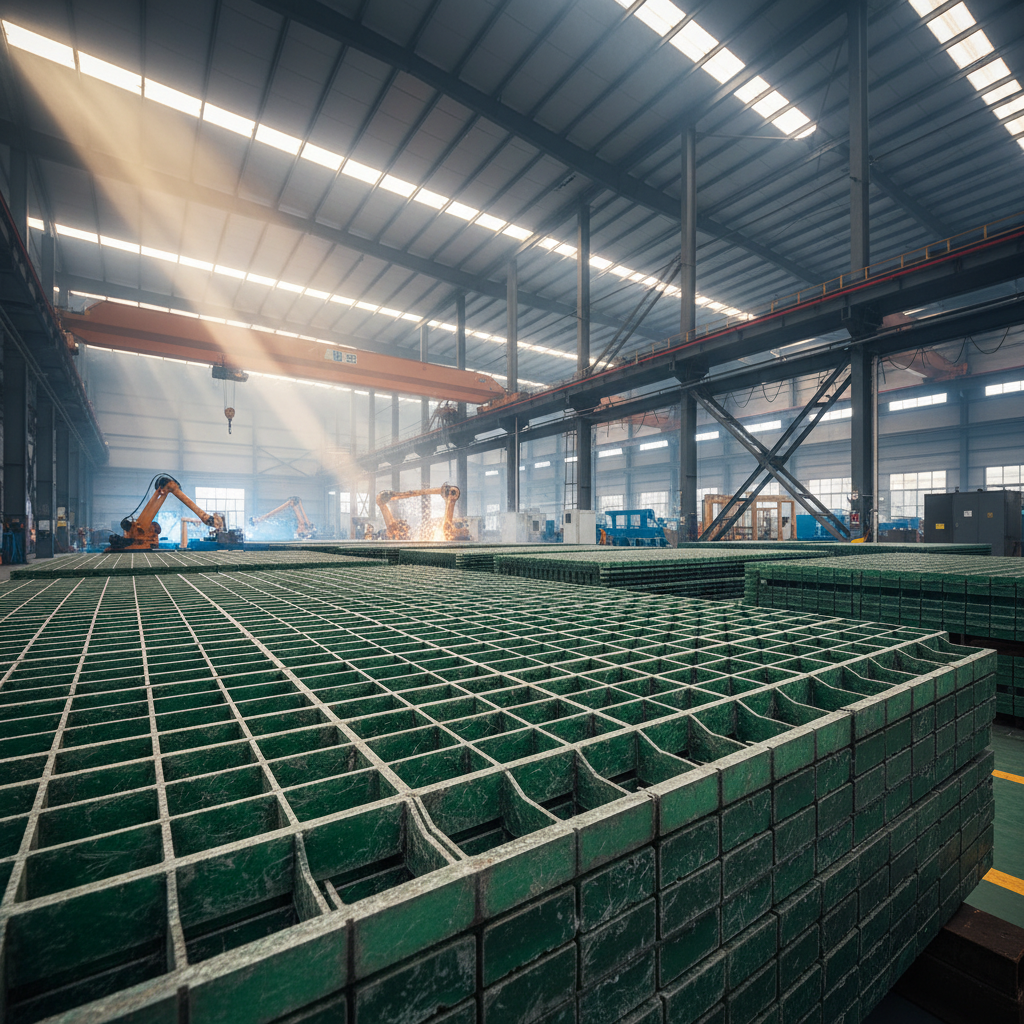
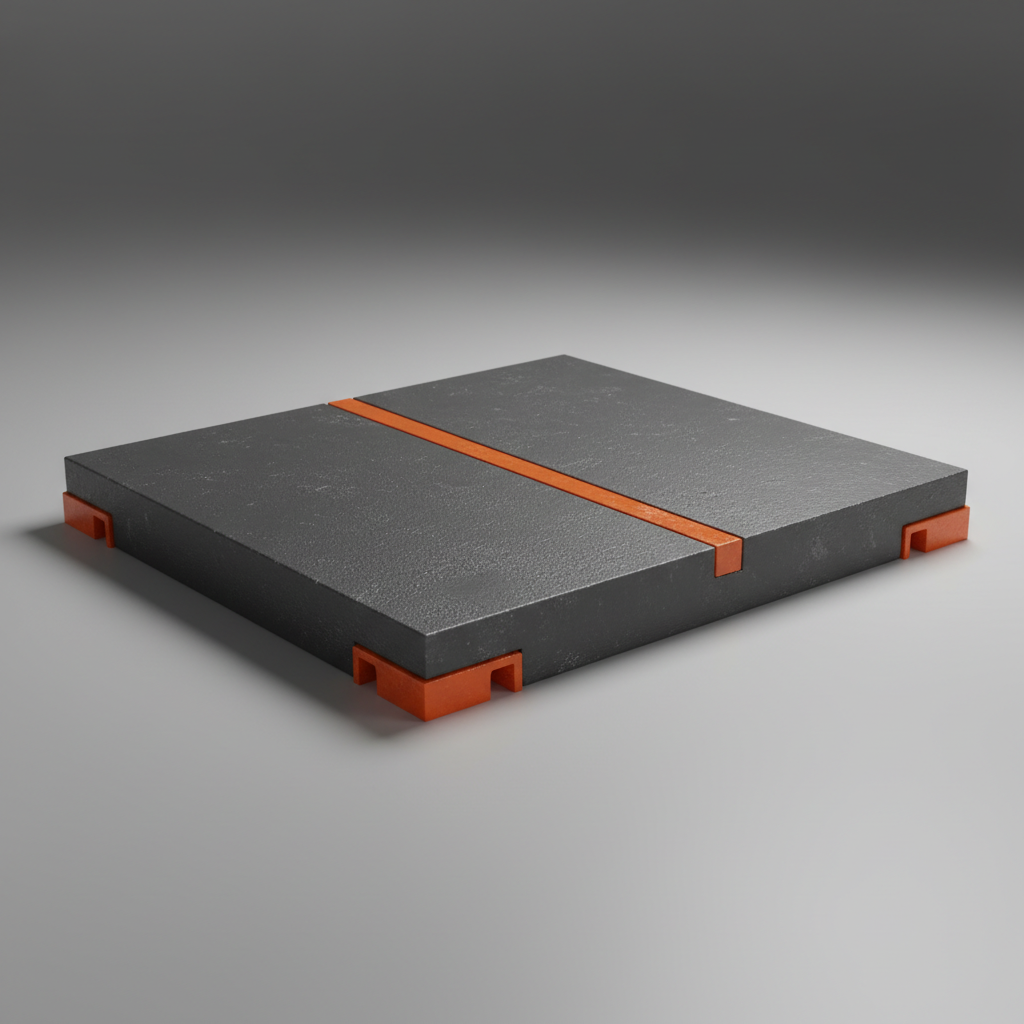
grating de frp, or Fiber Reinforced Polymer grating, is rapidly becoming a crucial material in modern infrastructure and industrial applications worldwide. Its unique combination of strength, durability, and corrosion resistance offers a viable alternative to traditional materials like steel and aluminum. Understanding the properties and applications of grating de frp is essential for engineers, architects, and project managers seeking long-term, cost-effective solutions.
The global demand for durable and low-maintenance construction materials is steadily increasing, driven by factors such as aging infrastructure, environmental concerns, and the need for enhanced safety standards. grating de frp directly addresses these needs by providing a lightweight, non-conductive, and corrosion-resistant option. This makes it particularly valuable in harsh environments such as chemical plants, wastewater treatment facilities, and offshore platforms.
The benefits of utilizing grating de frp extend beyond mere material properties; its ease of installation, reduced life-cycle costs, and minimal maintenance requirements contribute to significant overall project savings and improved operational efficiency. As industries continue to prioritize sustainability and long-term performance, the adoption of grating de frp is poised for continued growth.
Introduction to grating de frp
grating de frp represents a significant advancement in materials science, offering a compelling alternative to traditional grating materials. Its composite nature, combining the strength of reinforcing fibers with the versatility of polymer resins, allows for tailored properties suited to a wide range of applications. The increasing adoption of grating de frp reflects a broader industry trend toward lighter, stronger, and more durable construction materials.
Beyond its structural capabilities, grating de frp offers substantial benefits in terms of safety and maintenance. Its non-conductive nature eliminates the risk of electrical hazards, making it ideal for environments where electrical safety is paramount. Furthermore, its resistance to corrosion and chemical attack minimizes the need for costly repairs and replacements, resulting in significant long-term savings.
Defining grating de frp
grating de frp is a structural product typically manufactured by assembling pultruded or molded fiberglass-reinforced plastic (FRP) profiles into a grid-like pattern. These profiles consist of glass fibers embedded in a polymer resin matrix, commonly polyester, vinyl ester, or epoxy. The resulting grating is exceptionally strong for its weight, offering a high strength-to-weight ratio.
Unlike traditional metal gratings, grating de frp is non-metallic, making it non-conductive and non-magnetic. This property is critical in applications where electrical hazards are present or where magnetic interference could disrupt sensitive equipment. The materials used in grating de frp are specifically chosen to resist corrosion from a wide variety of chemicals and harsh environmental conditions.
The use of grating de frp directly aligns with modern industrial needs, offering a sustainable and cost-effective solution for walkways, platforms, stairs, and drainage systems in diverse settings. It contributes to safer working environments, reduced maintenance costs, and extended asset lifespan, addressing critical aspects of operational efficiency and sustainability.
Core Properties of grating de frp
Durability is a cornerstone of grating de frp's appeal. Its inherent resistance to corrosion, chemicals, and UV radiation ensures a long service life, even in the most demanding environments. This reduces the need for frequent replacements, lowering lifecycle costs and minimizing disruptions to operations.
Strength and Weight are key advantages. grating de frp offers comparable or even superior strength to steel, but at a significantly lower weight. This facilitates easier handling and installation, reducing labor costs and potentially simplifying structural support requirements.
Safety is paramount. The non-conductive nature of grating de frp eliminates the risk of electrical shock, making it ideal for use around energized equipment or in wet environments. Additionally, its slip-resistant surface enhances worker safety and reduces the potential for accidents.
Key Performance Indicators of grating de frp
Understanding the key performance indicators (KPIs) of grating de frp is crucial for evaluating its suitability for specific applications. These metrics include tensile strength, flexural strength, impact resistance, and corrosion resistance. These characteristics are all paramount when evaluating grating de frp against steel alternatives.
The long-term performance of grating de frp is also evaluated based on its resistance to environmental factors such as UV radiation, temperature fluctuations, and chemical exposure. These factors directly impact the material's structural integrity and overall lifespan.
Performance Comparison of grating de frp Manufacturing Methods
Global Applications of grating de frp
grating de frp finds widespread application across various industries. In the chemical processing industry, its corrosion resistance makes it ideal for walkways, platforms, and handrails in areas exposed to harsh chemicals. Similarly, in wastewater treatment plants, grating de frp's durability and resistance to corrosive environments are highly valued.
The oil and gas sector also benefits significantly from the use of grating de frp, particularly in offshore platforms where corrosion is a major concern. Its lightweight nature and non-magnetic properties are particularly advantageous in these environments. Furthermore, grating de frp is increasingly used in power generation facilities, pulp and paper mills, and food processing plants.
Advantages and Long-Term Value
The advantages of grating de frp extend far beyond its initial cost. Its longevity and minimal maintenance requirements translate into significant long-term savings, reducing the total cost of ownership compared to traditional materials. Reduced downtime for repairs and replacements also contributes to increased productivity and operational efficiency.
Furthermore, grating de frp promotes sustainability by reducing the need for frequent material replacements, minimizing waste, and lowering the carbon footprint associated with manufacturing and transportation. These factors align with growing environmental concerns and corporate social responsibility initiatives.
Investing in grating de frp is an investment in safety, reliability, and long-term value. Its robust performance and reduced maintenance requirements provide peace of mind and contribute to a more sustainable and efficient operation.
Future Trends in grating de frp
Ongoing research and development are focused on enhancing the properties of grating de frp and expanding its applications. New resin formulations and fiber reinforcements are being explored to further improve strength, durability, and resistance to extreme environments. The integration of smart sensors into grating de frp structures is also gaining traction.
These sensors can monitor structural health, detect corrosion, and provide real-time data for predictive maintenance, optimizing asset management and reducing the risk of unexpected failures. Advances in manufacturing techniques, such as automated fiber placement, are also driving down production costs and enabling the creation of more complex grating designs.
The future of grating de frp is closely tied to broader trends in materials science, automation, and sustainability. As industries continue to seek innovative and environmentally responsible solutions, grating de frp is poised to play an increasingly prominent role in infrastructure and industrial applications worldwide.
FAQS
While the initial material cost of grating de frp may be higher than steel, a comprehensive lifecycle cost analysis often reveals significant savings. Steel requires regular maintenance, painting, and eventual replacement due to corrosion, while grating de frp boasts minimal maintenance needs and a substantially longer lifespan. Factors like reduced installation costs (due to lighter weight) and minimized downtime further contribute to the overall cost-effectiveness of grating de frp.
The performance of grating de frp in extreme temperatures depends on the specific resin system used. Generally, grating de frp can withstand a wide range of temperatures, typically from -40°C to +120°C (-40°F to +248°F). Some specialized resin formulations can extend this range even further. However, prolonged exposure to very high temperatures may gradually reduce the material’s strength, so it's essential to select a resin appropriate for the intended operating environment.
Yes, grating de frp is commonly used in load-bearing applications such as walkways, platforms, and stair treads. Its high strength-to-weight ratio allows it to support significant loads while minimizing structural support requirements. However, it is crucial to consult with a qualified engineer to ensure the grating is properly sized and designed to meet the specific load demands of the application.
Polyester resins are the most common and cost-effective option for grating de frp, suitable for many general applications. Vinyl ester resins offer improved corrosion resistance, making them ideal for more demanding environments. Epoxy resins provide the highest level of strength, stiffness, and chemical resistance, but are typically more expensive. The selection of the appropriate resin system depends on the specific application requirements.
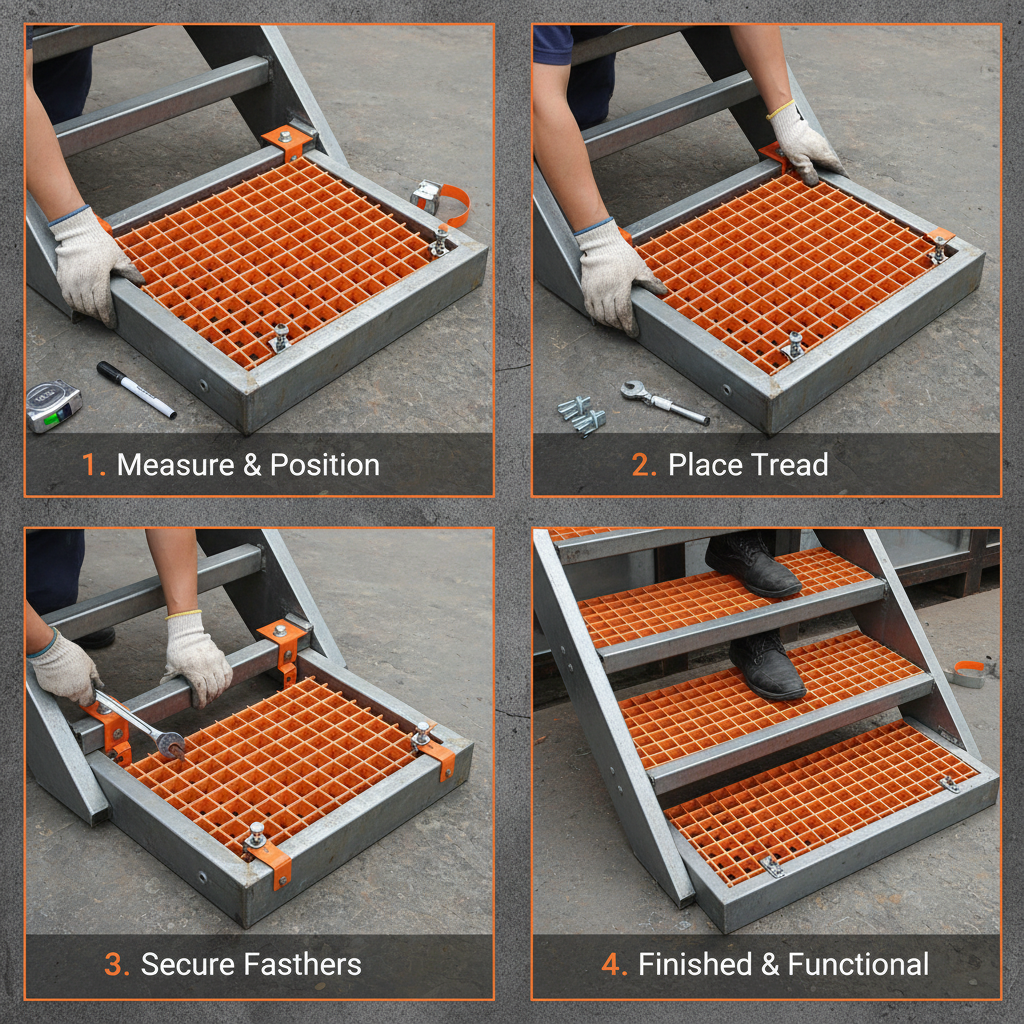
grating de frp is relatively easy to install, requiring only basic tools such as saws, drills, and fasteners. The lightweight nature of the material simplifies handling and reduces installation time. Cutting can be done with standard power tools equipped with appropriate blades for composite materials. Fasteners should be compatible with FRP materials to prevent galvanic corrosion.
grating de frp offers several environmental benefits. Its long lifespan reduces the need for frequent replacements, minimizing waste. The manufacturing process generates less energy than steel production, and the material is recyclable in some cases. Furthermore, its corrosion resistance eliminates the need for environmentally harmful coatings and paints.
Conclusion
In conclusion, grating de frp presents a compelling solution for a wide range of industrial and infrastructure applications. Its unique combination of durability, strength, corrosion resistance, and safety features offers significant advantages over traditional materials like steel. By embracing grating de frp, industries can achieve substantial cost savings, improve operational efficiency, and contribute to a more sustainable future.
As research and development continue to push the boundaries of materials science, the potential of grating de frp is only expected to grow. We encourage you to explore the possibilities of incorporating this innovative material into your next project. For more information and to discuss your specific needs, visit our website: grating de frp.