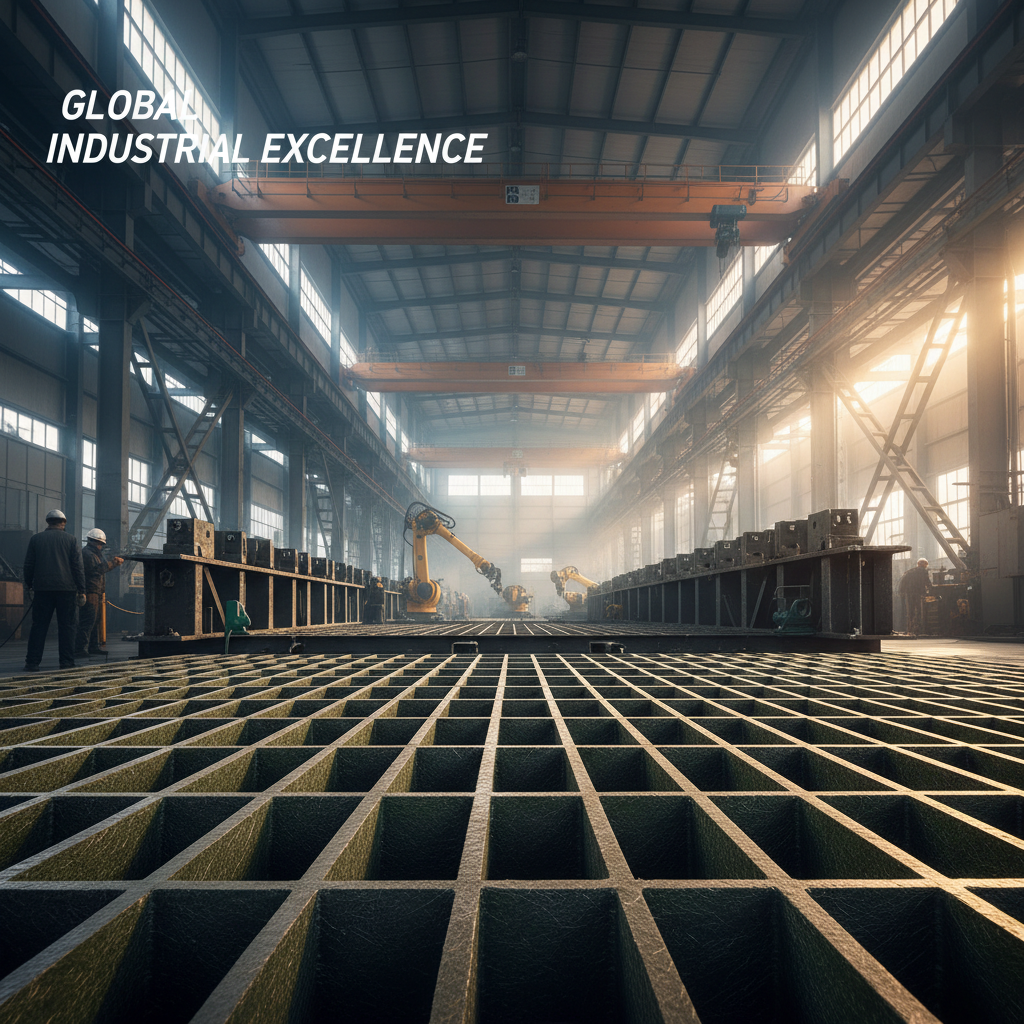
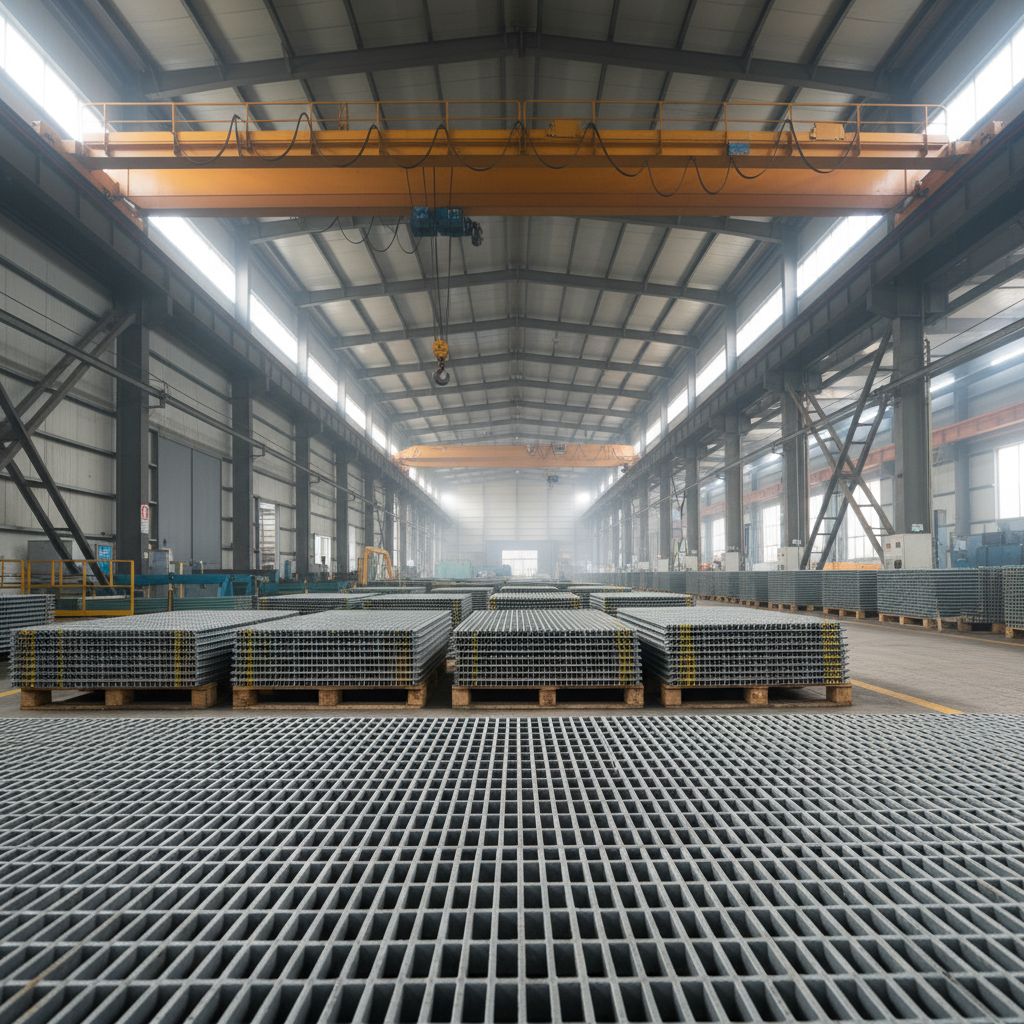
Fiberglass stairs are becoming increasingly vital in modern construction and industrial settings. It's not just a trend, it's a logical evolution – we’ve been dealing with corrosion, weight issues, and safety concerns for decades, and fiberglass offers solutions we simply didn’t have before. After years on site, I’ve seen firsthand the headaches traditional materials cause, from rust eating away at steel to the sheer back-breaking work of hauling heavy concrete components. Fiberglass stairs aren’t just lighter and stronger; they represent a shift towards safer, more efficient, and ultimately, more cost-effective project completion. fiberglass stair are a game changer.
The demand for durable, low-maintenance infrastructure is skyrocketing globally. Think about offshore platforms, chemical processing plants, even wastewater treatment facilities. These environments are incredibly harsh, accelerating the degradation of conventional materials. The UN's Sustainable Development Goals emphasize resilient infrastructure, and frankly, fiberglass fits the bill. We're also seeing a significant push for safety in the workplace – and that's where a non-slip, lightweight stair system shines. Standards from organizations like ISO are increasingly leaning towards composite materials for critical applications, driving adoption.
Simply put, a fiberglass stair is a stair constructed using fiberglass-reinforced polymer (FRP) composites. Unlike steel or aluminum, it doesn't corrode, meaning less maintenance and a longer lifespan. It’s lightweight, making installation far easier and reducing the need for heavy lifting equipment. And it’s surprisingly strong, often exceeding the load-bearing capacity of traditional materials. This isn’t some futuristic concept, it’s practical engineering addressing real-world problems in industries that demand reliability and longevity.
The Global Rise of Fiberglass Stairs
We’re seeing fiberglass stair adoption grow exponentially, especially in corrosive environments and where weight is a critical factor. I’ve worked projects where the cost of constantly replacing steel stairs due to rust far outweighed the initial investment in fiberglass. The growth isn't just in new construction either – a huge segment is replacement and retrofit, updating aging infrastructure. According to industry reports, the global FRP market is projected to reach over $34 billion by 2028, and stairs are a substantial component of that growth.
This trend is directly linked to increasing safety regulations and a focus on reducing lifecycle costs. Owners and engineers are realizing that paying a bit more upfront for a fiberglass stair can save significant money over the long term through reduced maintenance, repairs, and downtime. It’s a shift in thinking - moving away from simply the lowest initial cost to the total cost of ownership.
Defining Fiberglass Stairs
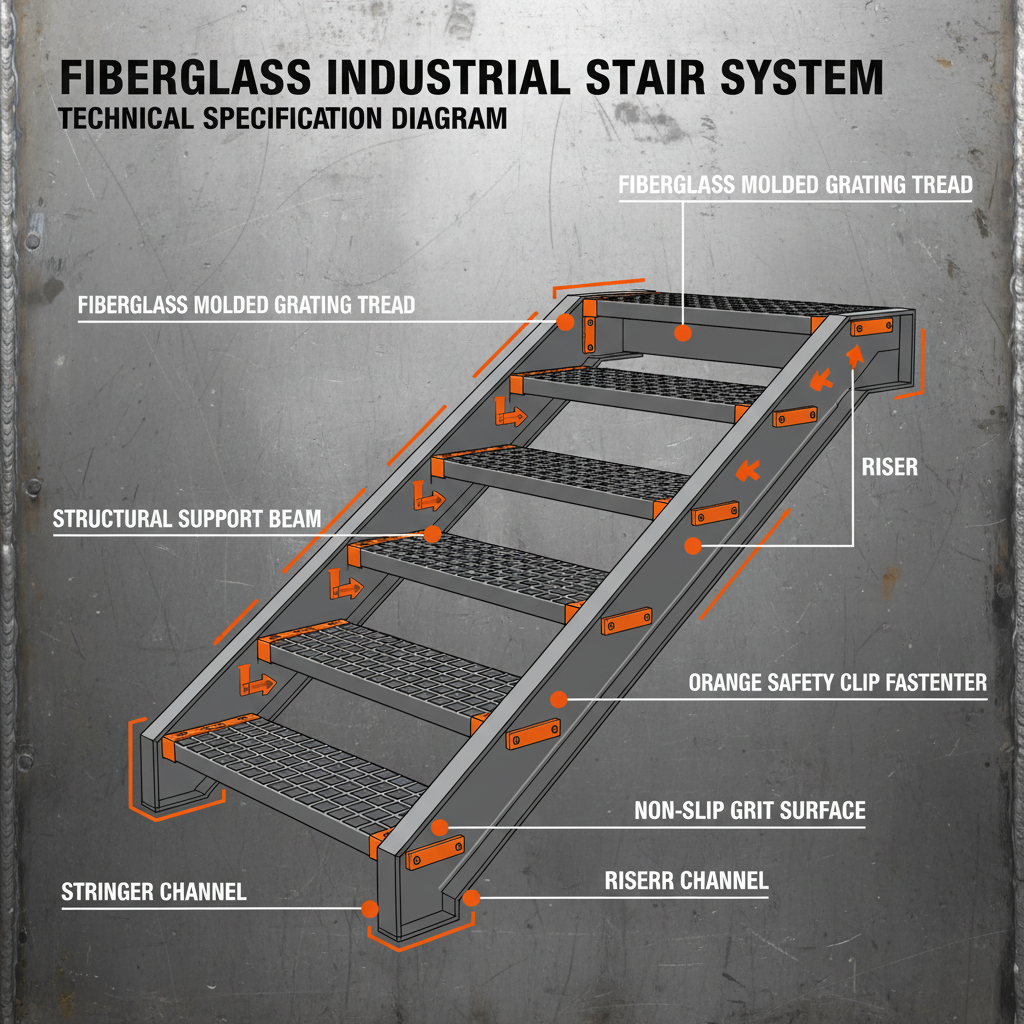
At its core, a fiberglass stair isn’t just “plastic steps”. It’s a carefully engineered structure utilizing fiberglass reinforced polymers. These composites combine the strength of the fiberglass with the resin matrix – usually polyester, vinyl ester, or epoxy – to create a material that's incredibly durable and resistant to environmental factors. The manufacturing process involves layering fiberglass strands into molds, then saturating them with resin.
What's crucial is the design and quality control. A poorly designed or manufactured fiberglass stair can fail just like any other structure. That’s why working with reputable manufacturers, who understand load calculations, safety factors, and proper material selection, is paramount. It’s not just about the material itself, it’s about the engineering and the execution.
This technology isn't new, but the refinement of resins and fiberglass types, combined with advanced molding techniques, have significantly improved the performance and affordability of fiberglass stairs. It's now a viable and often superior alternative to traditional materials in a wider range of applications than ever before.
Key Advantages of Fiberglass Stairs
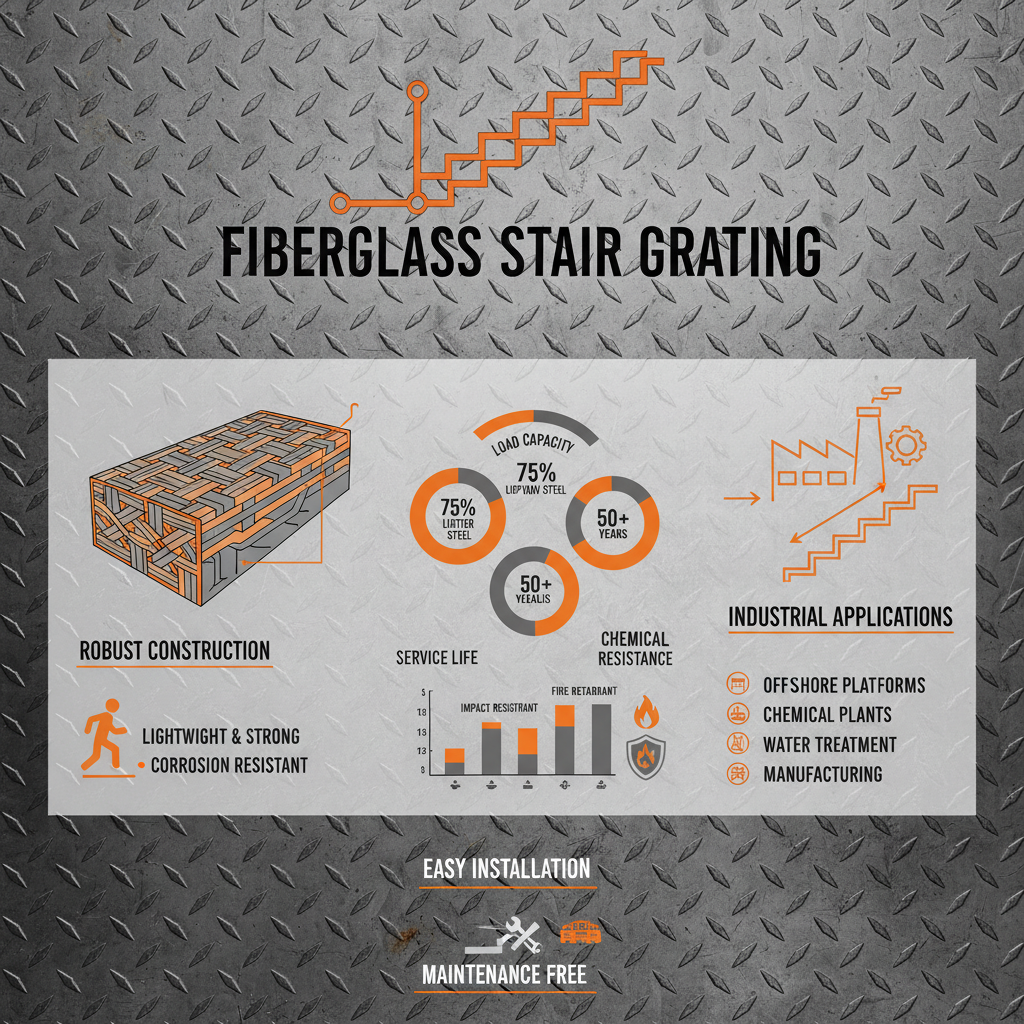
Durability is the biggest win. We're talking about resistance to corrosion, chemicals, and UV degradation. I've seen steel stairs practically dissolve in certain industrial environments; fiberglass just doesn’t react the same way. That translates to reduced maintenance, fewer repairs, and a much longer service life. It's a massive benefit for facilities operating in harsh conditions.
Weight is another huge factor. Fiberglass is significantly lighter than steel, making installation easier and less expensive. It also reduces the load on supporting structures, which can be critical in certain applications. I’ve been on projects where we’ve had to use cranes to lift steel stairs into place – with fiberglass, we can often get the job done with a couple of guys and a simple hoist.
Safety is built-in. Fiberglass can be molded with a non-slip surface, providing excellent traction even in wet or oily conditions. It’s also non-conductive, which is crucial in electrical environments. And, as mentioned, the lighter weight makes handling and installation safer for workers.
Real-World Applications of Fiberglass Stairs
You’ll find fiberglass stairs everywhere from offshore oil platforms and chemical plants to wastewater treatment facilities and food processing plants. Anywhere corrosion is a problem, fiberglass is a strong contender. I've done projects in pulp and paper mills where the acidic environment eats through steel in months; fiberglass stairs are practically mandatory.
We're also seeing them used increasingly in commercial buildings, particularly in areas exposed to the elements or where aesthetics are important. They can be custom-colored and molded to fit specific architectural designs. I recently oversaw the installation of fiberglass stairs at a coastal resort – they blended seamlessly with the environment and required minimal maintenance.
Fiberglass Stair Application Rating
Long-Term Value and Benefits
The initial cost of a fiberglass stair can be higher than steel, but the lifecycle cost is almost always lower. Reduced maintenance, fewer repairs, and a longer service life add up to significant savings over time. It’s about making a smart investment, not just looking at the upfront price tag. We’ve got to think long-term.
From a sustainability standpoint, fiberglass is also a winner. It’s durable and long-lasting, reducing the need for frequent replacements. And while it's not biodegradable, its longevity means less material ends up in landfills. It aligns with the growing demand for more sustainable construction practices.
Future Trends and Innovations
We're seeing exciting developments in resin technology, leading to even stronger and more durable fiberglass composites. Researchers are also exploring the use of recycled materials in fiberglass production, further enhancing its sustainability. Automation in the manufacturing process is also driving down costs and improving quality.
Digital integration is another trend. BIM (Building Information Modeling) is becoming increasingly common, and fiberglass stair manufacturers are providing detailed 3D models and specifications to streamline the design and construction process. This allows for better coordination and fewer on-site issues.
I also expect to see greater use of smart sensors embedded within fiberglass structures to monitor stress, corrosion, and other critical parameters. This will enable proactive maintenance and ensure the long-term integrity of the stairs.
Addressing Challenges and Limitations
One challenge is public perception. Some people still view fiberglass as a “plastic” material and are hesitant to trust its strength and durability. Education and showcasing successful installations are key to overcoming this misconception. I spend a lot of time on site explaining the engineering behind it to skeptical foremen!
Another limitation is the potential for damage during handling and installation. While fiberglass is strong, it can be susceptible to impact damage if not handled properly. Proper training and protective measures are essential.
Finally, repair can be more complex than with steel. While minor damage can be repaired on-site, more significant repairs may require specialized expertise and materials. However, even with repairs, the overall lifecycle cost remains competitive.
Summary of Fiberglass Stair Challenges and Solutions
| Challenge |
Impact on Project |
Proposed Solution |
Implementation Cost (1-10) |
| Public Perception & Trust |
Hesitancy in adoption, initial resistance |
Educational campaigns, showcasing case studies, engineer testimonials |
3 |
| Potential for Impact Damage |
Compromised structural integrity, repair costs |
Protective packaging, proper handling training, on-site protection |
5 |
| Complexity of Repairs |
Increased downtime, specialized labor requirements |
Establishment of certified repair technicians, readily available repair kits |
6 |
| Initial Material Cost |
Budget constraints, perceived higher upfront expense |
Lifecycle cost analysis, highlighting long-term savings |
4 |
| Limited Availability of Skilled Installers |
Installation errors, potential structural issues |
Training programs for construction professionals, manufacturer support |
7 |
| Design limitations for complex geometries |
Restricted architectural flexibility |
Advanced molding techniques, collaboration with specialized designers |
8 |
FAQS
Fiberglass stairs offer significant advantages over steel, primarily corrosion resistance, lighter weight, and lower maintenance requirements. Steel is susceptible to rust, especially in harsh environments, leading to costly repairs and replacements. Fiberglass doesn't corrode, reducing lifecycle costs. It’s also easier to handle and install due to its lower weight, saving time and labor. From my experience, it's a long-term win.
The installation of fiberglass stairs is generally simpler and faster. Because they're lighter, you often don't need heavy lifting equipment, reducing labor costs and potential safety hazards. However, it’s critical to follow the manufacturer’s instructions carefully, as fiberglass can be susceptible to damage during handling. Proper support and anchoring are still essential, just like with steel.
Absolutely. That's where fiberglass truly shines. The resins used in fiberglass composites are highly resistant to a wide range of chemicals, acids, and alkalis. Steel would quickly deteriorate in those environments, requiring frequent replacements. Fiberglass provides a durable, long-lasting solution, reducing downtime and maintenance costs. We use them all the time in chemical processing facilities.
A properly designed and installed fiberglass stair can easily last 25-50 years, and in some cases even longer. Maintenance is minimal – typically just periodic cleaning. Unlike steel, there's no need for painting or rustproofing. Any damage should be addressed promptly to prevent further issues, but overall, the maintenance burden is significantly lower than with traditional materials.
Generally, the initial material cost of fiberglass stairs is higher than steel. However, when you factor in the lifecycle costs – reduced maintenance, fewer repairs, and longer lifespan – fiberglass often proves to be more cost-effective in the long run. It’s about looking at the total cost of ownership, not just the upfront price. You have to think about the long haul.
Yes, absolutely. Fiberglass is a very versatile material that can be molded into various shapes and sizes. Manufacturers can customize stairs to meet specific architectural designs, load requirements, and safety standards. Color options are also available, allowing you to blend the stairs seamlessly with the surrounding environment. We've done countless custom jobs.
Conclusion
Fiberglass stairs are no longer a niche product; they're a viable and increasingly preferred solution for a wide range of applications. Their durability, lightweight nature, and corrosion resistance offer significant advantages over traditional materials, leading to reduced lifecycle costs and improved safety. As technology continues to advance and manufacturing processes become more efficient, the benefits of fiberglass stairs will only become more pronounced.
Looking ahead, I encourage engineers, architects, and project owners to seriously consider fiberglass stairs for their next projects. Embrace the long-term benefits and challenge the traditional mindset. It’s an investment in quality, safety, and sustainability. For more information and to explore customized solutions, visit our website: www.zjcomposites.com.