
loading...
- No. 9, Xingyuan South Street, Dongwaihuan Road, Zaoqiang County, Hengshui, Hebei, China
- admin@zjcomposites.com
- +86 15097380338
- Welcome to visit our website!

Premium FRP Pultruded Gratings: Strong, Corrosion Resistant
Introduction to FRP Pultruded Gratings: The Foundation of Industrial Safety and Efficiency
In demanding industrial environments where corrosion, conductivity, and heavy loads are constant challenges, traditional materials often fall short. This necessitates innovative solutions that offer superior performance and a longer service life. One such groundbreaking solution is found in frp pultruded gratings. These advanced composite products are engineered from a combination of fiberglass reinforcements and thermosetting resin matrices, fabricated through a continuous pultrusion process. The result is a high-strength, lightweight, and incredibly durable grating solution that excels in corrosive atmospheres, offering exceptional chemical resistance and non-conductive properties. They represent a significant leap forward for industries requiring robust, maintenance-free flooring, platforms, and trench covers, providing an optimal balance of structural integrity, safety, and cost-effectiveness over their operational lifespan.
Understanding the unique properties and manufacturing precision behind frp pultruded gratings is crucial for B2B decision-makers and engineers. Their distinct construction method grants them unidirectional strength, often surpassing that of traditional FRP molded gratings, making them suitable for longer spans and heavier point loads. This article delves into the intricate details of their production, technical advantages, diverse applications, and market considerations, aiming to provide a comprehensive resource for professionals seeking advanced material solutions.
The Pultrusion Process: Manufacturing Excellence for FRP Pultruded Gratings
The manufacturing of frp pultruded gratings is a highly specialized process known as pultrusion, a continuous molding method that creates composites with constant cross-sections. Unlike traditional methods like casting or forging, pultrusion offers precise control over fiber alignment and resin impregnation, leading to exceptional mechanical properties.
Detailed Process Flow:
- Fiber Reinforcement Staging: Continuous fiberglass rovings (unidirectional strength) and mats (transverse strength) are pulled from creels and organized. These are the primary structural components.
- Resin Impregnation: The organized fibers are guided through a resin bath where they are thoroughly wetted out with a thermosetting resin. Common resins include Isophthalic Polyester, Vinyl Ester, Phenolic, or specially formulated fire-retardant resins, selected based on the required chemical resistance, temperature rating, and fire performance. Pigments and fillers are also added here.
- Pre-forming: The wet, impregnated fibers then pass through a pre-forming guide system. This precisely shapes the fiber bundle into the desired profile cross-section (e.g., I-beam, T-bar, or rectangular bar for grating components) before it enters the heated die.
- Curing in Heated Die: The pre-formed material is continuously pulled through a heated steel die. Inside the die, the heat initiates the polymerization (curing) process of the resin, turning the liquid resin into a solid, rigid polymer matrix, encapsulating the fibers. This is where the final shape and mechanical properties are set.
- Pulling and Cutting: Grippers continuously pull the cured profile from the die. Downstream, an automatic cutoff saw precisely cuts the continuous profile into specified lengths. These individual pultruded bars then form the load-bearing and cross-rod elements of the grating.
- Assembly: The cut pultruded bearing bars and cross-rods are then assembled into the final grating panel structure. This typically involves mechanically interlocking them (e.g., using swage-locked or mechanically fastened connections) or adhesively bonding them to create a robust grid.
- Finishing and Quality Control: The assembled panels undergo final finishing, including surface treatments if necessary, and rigorous quality control inspections to ensure they meet dimensional, structural, and performance specifications.
Materials and Testing Standards:
The primary materials include high-quality E-glass fiberglass reinforcements for strength and various thermosetting resins for chemical and environmental resistance. Typical testing standards include ASTM E84 for flame spread and smoke development, ASTM D638 for tensile properties, ASTM D790 for flexural properties, and ISO 9001 for quality management systems. Compliance with these standards ensures product reliability and safety.
The robust nature of Anti- Corrosion Cost Effective FRP Pultrusion Grating ensures a service life often exceeding 25 years under proper conditions, significantly reducing lifecycle costs compared to metallic alternatives. This extended lifespan, combined with advantages like energy saving (due to reduced maintenance and replacement) and superior corrosion resistance, makes them ideal for demanding sectors.
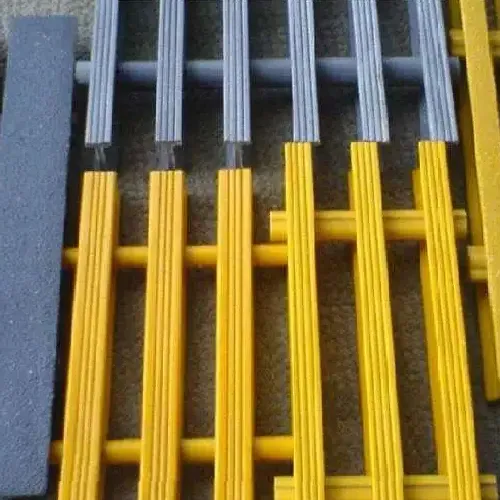
Figure 1: Illustration of the Pultrusion Process for Composite Profiles.
Key Technical Specifications and Performance of FRP Pultruded Gratings
The superior performance of frp pultruded gratings stems from their carefully engineered structural parameters and material properties. Understanding these specifications is critical for selecting the appropriate grating for specific load requirements, environmental conditions, and safety standards.
Typical Product Specifications:
| Parameter | Typical Value/Range (Metric) | Description |
|---|---|---|
| Tensile Strength (Longitudinal) | 300-600 MPa | Resistance to pulling forces along the length of the bearing bar. |
| Flexural Strength (Longitudinal) | 250-500 MPa | Resistance to bending forces along the length of the bearing bar. |
| Modulus of Elasticity (Longitudinal) | 20-35 GPa | Measure of stiffness; resistance to elastic deformation. |
| Density | 1.7-2.0 g/cm³ | Significantly lighter than steel (approx. 1/4 the weight). |
| Thermal Conductivity | 0.2-0.3 W/(m·K) | Excellent thermal insulator; maintains comfortable surface temperatures. |
| Coefficient of Thermal Expansion | 20-30 x 10⁻⁶ /°C | Similar to aluminum, good dimensional stability. |
| Bar Height Options | 25mm, 38mm, 50mm, 75mm (1", 1.5", 2", 3") | Affects span capability and load capacity. |
| Mesh Sizes | Typical: 30x30mm, 40x40mm, 50x50mm, 38x38mm, 50x25mm | Determines opening size; impacts slip resistance and object passage. |
| Fire Retardancy | ASTM E84 Class 1 (Flame Spread | Self-extinguishing properties, crucial for safety-critical areas. |
These parameters highlight the robust engineering behind FRP pultruded gratings, making them suitable for heavy-duty industrial applications. The inherent low thermal conductivity is also a significant advantage, particularly in environments where contact with hot or cold surfaces is a concern, enhancing worker comfort and safety.
Industry Trends and Market Outlook for FRP Gratings
The global market for FRP gratings is experiencing robust growth, driven by increasing demand from infrastructure, chemical, oil & gas, and wastewater treatment sectors. This expansion is largely fueled by the recognized long-term cost benefits and superior performance characteristics of composite materials over traditional options like steel or aluminum.
Key Drivers:
- Aging Infrastructure: Many industrial facilities and public infrastructures worldwide are aging and require refurbishment or replacement. FRP solutions offer a durable, low-maintenance alternative that extends asset life.
- Corrosion Concerns: Industries operating in highly corrosive environments (e.g., petrochemical, marine, wastewater) are increasingly adopting FRP due to its unparalleled resistance to acids, alkalis, and salts, significantly reducing maintenance costs and downtime.
- Safety Regulations: Stricter safety regulations regarding slip resistance, fire retardancy, and electrical insulation are boosting the demand for FRP gratings, which inherently offer these features.
- Sustainability Initiatives: The lightweight nature of FRP reduces transportation costs and carbon footprint during installation. Its long service life also contributes to less waste generation over time.
- Technological Advancements: Continuous innovation in resin formulations and pultrusion techniques leads to even higher performance, enabling FRP gratings to penetrate new, more demanding applications.
Target Industries for frp pultruded gratings:
- Petrochemical and Chemical Processing: For platforms, walkways, and trench covers where highly corrosive chemicals are present.
- Water and Wastewater Treatment: Ideal for clarifier tanks, filter media support, and access platforms due to resistance to sewage and treatment chemicals.
- Metallurgy and Mining: In areas exposed to aggressive chemicals and heavy loads, providing a safer, non-slip surface.
- Power Generation (especially offshore wind, nuclear): For cooling tower decking, turbine platforms, and electrical enclosures due to non-conductivity and weather resistance.
- Food and Beverage: Offers hygienic, easy-to-clean surfaces that resist wash-down chemicals and moisture.
- Marine and Offshore: Resists saltwater corrosion, UV degradation, and is lightweight for installation on vessels and rigs.
Unmatched Technical Advantages of FRP Pultruded Gratings
The selection of grating materials directly impacts the safety, operational efficiency, and long-term cost of an industrial facility. FRP pultruded gratings offer a compelling array of technical advantages that position them as a superior choice over traditional materials.
- Exceptional Corrosion Resistance: Unlike steel, FRP does not rust or corrode when exposed to harsh chemicals, acids, alkalis, salt spray, or moisture. This significantly extends its service life, especially in petrochemical plants, wastewater treatment facilities, and marine environments, reducing the need for frequent replacement and maintenance.
- High Strength-to-Weight Ratio: Pultruded FRP gratings are incredibly strong yet remarkably lightweight – typically one-quarter the weight of steel gratings. This ease of handling reduces installation costs, minimizes the need for heavy lifting equipment, and lowers transportation expenses. Despite being lighter, they offer excellent load-bearing capabilities.
- Non-Conductive and Non-Magnetic: FRP is electrically non-conductive, making it ideal for applications near electrical lines, sensitive electronic equipment, or in areas where static electricity is a concern. Its non-magnetic properties are crucial for magnetic resonance imaging (MRI) rooms and other magnetically sensitive zones.
- Impact Resistance and Durability: The composite structure provides excellent resistance to impact, flexing without permanent deformation, which contributes to a longer service life than brittle materials.
- Low Thermal Conductivity: FRP is an excellent thermal insulator. This means surfaces remain cooler in hot environments and warmer in cold environments, enhancing worker comfort and safety by preventing burns or frostbite from contact.
- UV Resistance: Formulations with UV inhibitors ensure that the gratings retain their structural integrity and aesthetic appearance even under prolonged exposure to sunlight in outdoor applications.
- Fire Retardancy: Many FRP pultruded gratings are engineered with fire-retardant resins, meeting stringent fire safety codes (e.g., ASTM E84 Class 1), critical for enclosed spaces and areas with fire risks.
- Slip Resistance: Surfaces can be manufactured with a gritted finish, significantly enhancing slip resistance even in wet, oily, or icy conditions, thereby greatly improving workplace safety.
- Ease of Fabrication and Installation: FRP gratings can be easily cut and fabricated on-site using standard tools, reducing installation time and labor costs.
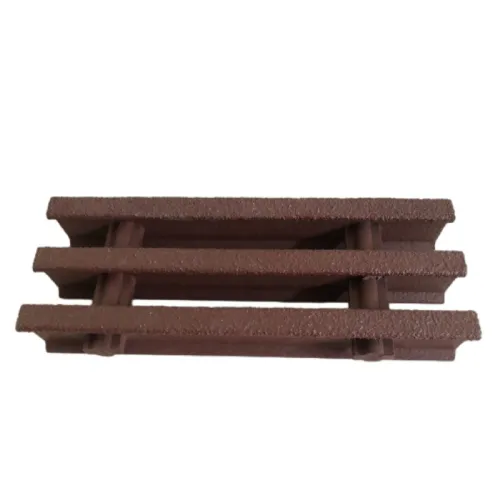
Figure 2: Superior corrosion resistance of FRP grating in a chemical plant environment.
Diverse Application Scenarios for FRP Pultruded Gratings
The versatility and robust properties of frp pultruded gratings allow them to be deployed across a multitude of challenging industrial and commercial applications, providing durable and safe solutions.
Typical Applications:
- Walkways and Platforms: Providing safe and durable access in corrosive industrial environments, including chemical plants, offshore platforms, and water treatment facilities. Their lightweight nature simplifies installation on elevated structures.
- Trench Covers: Ideal for covering trenches containing pipes, cables, or drainage systems, offering easy access for maintenance while protecting personnel and equipment. Their chemical resistance ensures longevity even when exposed to spills.
- Catwalks and Access Ways: Used extensively in power generation, food processing, and maritime industries where a non-slip, non-corrosive, and electrically safe surface is paramount.
- Loading Docks and Ramps: Their high load capacity and impact resistance make them suitable for areas with frequent pedestrian and light vehicle traffic.
- Bridge Decking and Marine Structures: Excellent for pedestrian bridges, docks, and piers due to their resistance to saltwater and UV degradation, and their lightweight reduces structural load.
- Cooling Towers: Utilized for internal structures, fan decks, and walkways due to their resistance to water, chemicals, and high humidity, outperforming treated wood or metal in these conditions.
- Railroad Crossings: Offering durable, stable, and low-maintenance solutions for pedestrian and vehicular crossings.
- Oil & Gas Refineries: Essential for access platforms, stair treads, and vessel internals where hydrocarbon exposure and corrosive elements are prevalent.
In each of these scenarios, the technical advantages — particularly corrosion resistance, strength-to-weight, and non-conductivity — directly translate into enhanced energy saving through reduced maintenance cycles, improved operational safety, and a significantly lower total cost of ownership over the product's extended service life.
Customized Solutions for Specific Demands
Recognizing that no two industrial applications are exactly alike, leading frp pultruded gratings suppliers offer extensive customization options. This flexibility ensures that the grating solution precisely meets the unique structural, chemical, and safety requirements of any project.
Areas of Customization:
- Resin Systems: Choice of resin (Isophthalic Polyester, Vinyl Ester, Phenolic, etc.) for specific chemical resistance, fire retardancy, and temperature performance. For instance, Vinyl Ester is preferred for highly acidic or caustic environments.
- Bar Spacing and Height: Customization of bearing bar height and spacing allows for optimal load capacity and span capabilities, minimizing deflection under specific loads. This also influences open area percentages for drainage.
- Surface Finishes: Options include a standard grit top for enhanced slip resistance, concave top for good grip, or smooth top for specific sanitary requirements.
- Color Options: While grey and yellow are common, custom colors can be matched to corporate branding or safety color codes, improving visual management.
- Panel Sizes and Fabrication: Gratings can be supplied in standard panels or pre-fabricated to exact dimensions, including cut-outs for pipes, columns, or other obstructions, reducing on-site labor and waste.
- UV Protection: Enhanced UV inhibitors can be integrated into the resin system for outdoor applications exposed to intense sunlight.
Working with experienced frp grating suppliers allows engineers to design precise solutions that integrate seamlessly into existing infrastructure while maximizing performance and safety.
Vendor Comparison: Choosing the Right FRP Grating Suppliers
Selecting the right frp grating suppliers is as critical as choosing the right product. The supplier's expertise, product quality, certifications, and support services directly impact project success and long-term cost of ownership.
Key Factors for Comparison:
| Criterion | Description / What to Look For |
|---|---|
| Certifications & Standards | ISO 9001, ASTM (e.g., E84 for fire), ANSI, ABS. Ensures quality manufacturing and tested performance. |
| Product Range & Customization | Availability of various resin systems, bar heights, mesh sizes, and ability to offer tailored solutions and fabrication services. |
| Experience & Reputation | Years in business, track record, client testimonials, and successful project case studies in your specific industry. |
| Technical Support & Engineering | Ability to provide load calculations, design assistance, installation guidance, and post-sales support. |
| Lead Time & Logistics | Reliable delivery schedules, global shipping capabilities, and inventory management. |
| Warranty & After-Sales Service | Clear warranty statements and responsive customer service for any issues. |
| Pricing Structure | Transparent pricing, competitive frp grating price, and understanding of total cost of ownership (TCO). |
A reputable supplier will not only provide high-quality Anti- Corrosion Cost Effective FRP Pultrusion Grating but also act as a valuable partner, offering expert advice and support throughout the project lifecycle.
Real-World Application Case Studies
The proven performance of frp pultruded gratings is best illustrated through real-world applications where they have significantly enhanced safety, reduced maintenance, and improved operational efficiency.
Case Study 1: Wastewater Treatment Plant Upgrade
A major municipal wastewater treatment plant faced recurring issues with corroded steel gratings and handrails on clarifier tanks and biological reactors. The harsh environment, laden with hydrogen sulfide, chlorine, and other treatment chemicals, led to rapid degradation of metallic components, requiring annual repainting and frequent replacement.
- Solution: The plant opted to replace all steel gratings with Vinyl Ester frp pultruded gratings (38mm height, 38x38mm mesh, gritted surface). This specific resin was chosen for its superior chemical resistance to the encountered agents.
- Outcome: After five years, the FRP gratings showed no signs of corrosion, maintaining their structural integrity and slip resistance. The facility reported a 70% reduction in maintenance costs associated with grating repairs and replacement, along with a significant improvement in worker safety due to the durable non-slip surface and absence of rust. The project payback period was estimated at less than three years.
Case Study 2: Offshore Oil Platform Decking
An offshore oil drilling platform required new decking for its helideck and various access platforms. Key challenges included extreme saltwater corrosion, high winds, heavy point loads from equipment, and the need for a non-magnetic material to avoid interference with navigation and sensitive instrumentation.
- Solution: High-strength Isophthalic Polyester frp pultruded gratings with enhanced UV protection and aggressive grit surfacing were installed. The lightweight nature of the FRP also minimized additional load on the platform's existing structure.
- Outcome: The FRP gratings provided excellent resistance to the harsh marine environment, showing no degradation after extensive exposure. The non-magnetic properties prevented interference, and the superior strength accommodated heavy equipment without issue. Worker safety was significantly improved due to the exceptional slip resistance, even in foul weather, and the reduced weight facilitated faster, safer installation with fewer personnel.
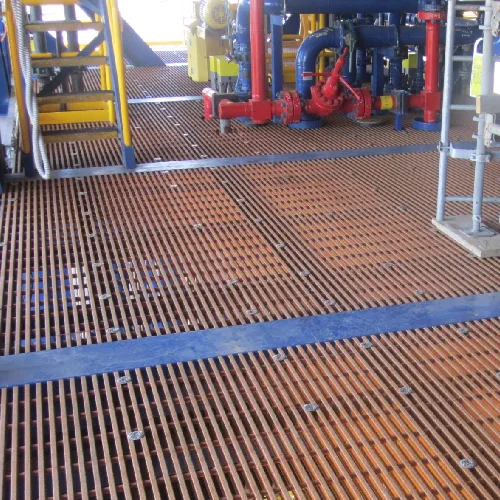
Figure 3: FRP pultruded grating installed in a demanding industrial setting.
Understanding FRP Grating Pricing
The initial frp grating price can sometimes be a point of consideration when compared to traditional materials like steel. However, a comprehensive evaluation must account for the total cost of ownership (TCO) over the product's entire lifecycle.
Factors Influencing FRP Grating Price:
- Resin Type: Vinyl Ester resins, offering superior chemical resistance, are generally more expensive than Isophthalic or Orthophthalic polyester resins.
- Grating Dimensions & Configuration: Larger bar heights, thicker bars, and smaller mesh sizes (which use more material) will increase the unit price. Custom sizes and complex panel fabrications also add to the cost.
- Surface Finish: Aggressive grit surfaces for extreme slip resistance may slightly increase the cost compared to standard surfaces.
- Volume: As with most manufactured goods, larger order volumes often qualify for more competitive pricing.
- Additional Features: Fire retardant additives, UV inhibitors, or specific color matching can influence the price.
Total Cost of Ownership (TCO) Perspective:
While the upfront frp grating price might be higher than galvanized steel, the TCO model reveals significant savings due to:
- Reduced Maintenance: No painting, scraping, or rust treatment required.
- Extended Service Life: Typically 25+ years, compared to 5-10 years for steel in corrosive environments.
- Lower Installation Costs: Lightweight nature reduces labor and equipment needs.
- Enhanced Safety: Reduced risk of slips and falls, fewer electrical hazards, lowering liability and improving worker welfare.
When factoring in these long-term benefits, FRP gratings consistently prove to be the more economical and sustainable choice for demanding industrial applications.
Commitment to Quality and Service
A key differentiator for reliable frp pultruded gratings providers is their unwavering commitment to quality assurance, transparent lead times, robust warranty policies, and responsive customer support.
Certifications and Quality Assurance:
- ISO 9001 Certification: Demonstrates adherence to international quality management system standards, ensuring consistent product quality from design to delivery.
- Product Testing: Gratings undergo rigorous independent laboratory testing for mechanical properties (flexural, tensile strength), fire ratings (ASTM E84), slip resistance, and chemical resistance.
Lead Time and Fulfillment:
Typical lead times for standard Anti- Corrosion Cost Effective FRP Pultrusion Grating configurations are generally 2-4 weeks, depending on order volume and current production schedules. Custom orders or large-scale projects may require extended lead times, which are communicated upfront. Efficient logistics and a robust supply chain ensure timely delivery to project sites globally.
Warranty Commitments:
Reputable manufacturers typically offer a comprehensive warranty, often spanning 5 to 10 years, against manufacturing defects and premature failure under normal operating conditions. This commitment reflects confidence in product durability and performance. Specific warranty details are provided with each quotation.
Customer Support and After-Sales Service:
Dedicated technical support teams are available to assist with product selection, load calculations, installation guidance, and troubleshooting. Post-sales support ensures customer satisfaction and addresses any operational queries throughout the product's lifespan.
Frequently Asked Questions (FAQ)
Q1: How do FRP pultruded gratings compare to molded gratings?
A1: Pultruded gratings offer higher unidirectional strength and stiffness due to continuous, aligned glass fibers, making them suitable for longer unsupported spans and higher point loads. Molded gratings, with their bidirectional strength, are typically used for shorter spans and offer greater customization in panel sizes. Pultruded gratings also tend to have a higher glass-to-resin ratio, contributing to their superior mechanical properties.
Q2: Are FRP gratings safe for electrical environments?
A2: Yes, FRP gratings are inherently non-conductive, making them an excellent choice for applications requiring electrical isolation. They provide a safe working surface around live electrical equipment, reducing the risk of electrical shock.
Q3: What kind of maintenance do FRP gratings require?
A3: FRP gratings require very little maintenance. Unlike metallic gratings that need periodic painting or rust removal, FRP is corrosion-resistant. Routine cleaning with soap and water is usually sufficient to maintain their appearance and slip resistance. This significantly reduces long-term operational costs.
Q4: Can FRP gratings be used outdoors in extreme weather?
A4: Absolutely. FRP gratings are highly resistant to UV radiation, moisture, and extreme temperatures. When manufactured with appropriate UV inhibitors and high-quality resins, they perform exceptionally well in outdoor and marine environments without degrading, fading, or losing structural integrity.
Q5: How does the load capacity of FRP pultruded gratings compare to steel?
A5: While steel generally has a higher absolute strength, FRP pultruded gratings are engineered to meet or exceed load requirements for typical industrial walkways and platforms. Their unique structure allows for excellent span capabilities and impact resistance. Specific load tables are available from manufacturers based on grating dimensions and resin types, often demonstrating comparable performance for standard industrial applications with the added benefit of corrosion resistance and lighter weight.
Conclusion
The evolution of materials science has profoundly impacted industrial engineering, with frp pultruded gratings standing out as a pivotal innovation. Offering an unparalleled combination of corrosion resistance, high strength-to-weight ratio, electrical non-conductivity, and extended service life, these gratings are not merely a replacement for traditional materials but a superior solution. They empower industries to overcome the limitations posed by harsh environments, reduce maintenance expenditures, and significantly enhance workplace safety. For B2B professionals seeking durable, cost-effective, and high-performance grating solutions, embracing FRP pultruded technology represents a strategic investment that delivers long-term value and operational excellence.
References
- ASTM International. (n.d.). Standard Specification for Fibreglass (Glass-Fiber-Reinforced Thermosetting Resin) Pipe and Fittings. Retrieved from astm.org
- ISO. (n.d.). ISO 9001:2015 - Quality management systems — Requirements. Retrieved from iso.org
- Composites World. (n.d.). Pultrusion Process Overview. Retrieved from compositesworld.com
- Specialty Grating LLC. (n.d.). FRP Pultruded Grating Technical Data Sheet. Retrieved from specialtygrating.com
-
High Quality Fiberglass Rods for Electric Fence Insulation GuideNewsApr.16,2026
-
Benefits and Guide of Installing a White Fiberglass FenceNewsApr.09,2026
-
Choosing the Right Fibreglass Fence for Property Enhancement and LongevityNewsApr.07,2026
-
Comprehensive Guide to Durable Fiberglass Fence Rods and Their ApplicationsNewsMar.31,2026
-
Comprehensive Guide to Durable Fiberglass Fence Post Solutions for Various ApplicationsNewsMar.28,2026
-
Comprehensive Guide to Fiberglass Fencing Benefits and ApplicationsNewsMar.26,2026
-
Comprehensive Guide to Choosing the Right Safety Guard System for Industrial ProtectionNewsMar.24,2026