0%

Table of Contents

Fiberglass grating stair treads. Sounds simple, right? But spend a day on a construction site, wrestling with steel, dodging corrosion, and you quickly realize how crucial getting the basics right is. We’re not talking about fancy features here; we’re talking about safety, longevity, and keeping projects on schedule. For years, concrete and steel were the defaults for stair treads in industrial and corrosive environments. But those materials come with headaches – weight, lengthy install times, and a constant battle against rust. That's where fiberglass grating stair treads step in, offering a solution that’s lighter, stronger, and frankly, a lot less trouble. It's not a magic bullet, but after years of seeing what works and what doesn’t in the field, I can tell you, fiberglass is making a serious impact.

The demand for durable, low-maintenance infrastructure is only growing, globally. The UN estimates a significant increase in infrastructure spending over the next decade, driven by population growth and urbanization. According to the World Bank, coastal regions, heavily reliant on industrial facilities, face accelerating corrosion rates due to climate change, increasing the need for corrosion-resistant materials like fiberglass. This isn't just a Western problem; developing nations are also demanding safer, more sustainable solutions for their growing industrial base. And frankly, downtime costs money. A lot of it. Any material that can minimize maintenance and extend service life is going to get a serious look from project managers.

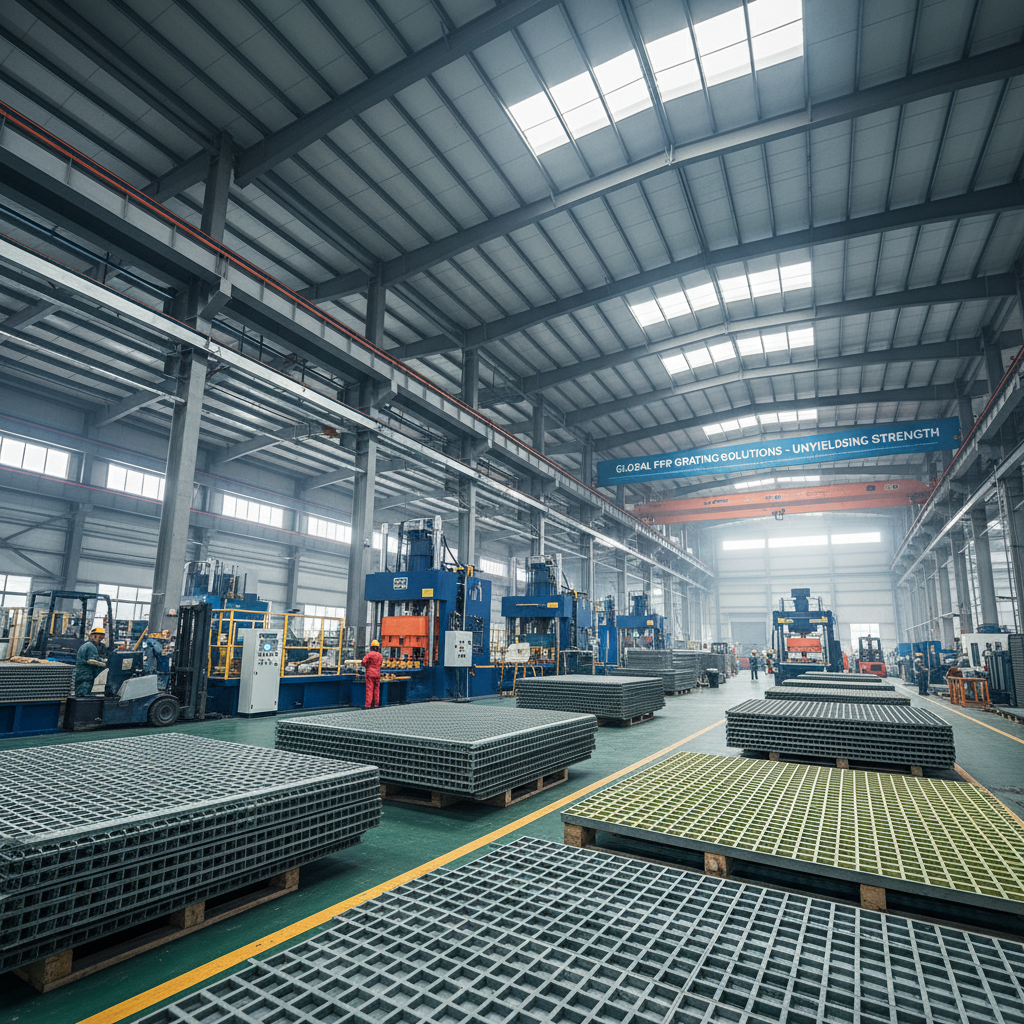
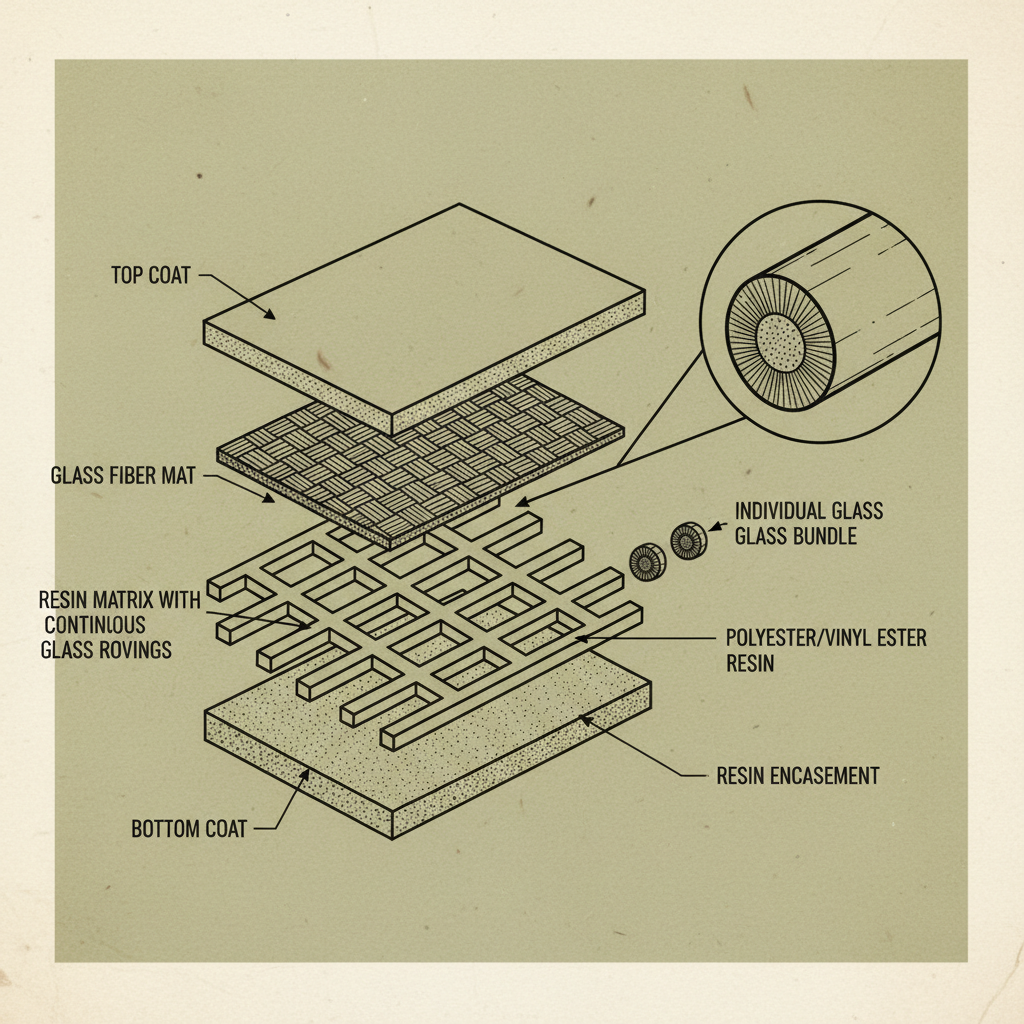
So, what exactly are we talking about? Fiberglass grating stair treads are essentially a composite material made of glass fibers embedded in a resin matrix. This combination creates a product that is incredibly strong for its weight, highly resistant to corrosion, and electrically non-conductive. Think of it like a supercharged version of the fiberglass used in boats – built to withstand harsh conditions. They're becoming increasingly common in places where traditional materials fail – chemical plants, wastewater treatment facilities, offshore platforms, and anywhere exposure to salt spray or harsh chemicals is a concern. They’re not just replacing old stairs; they’re enabling new construction in environments that were previously too challenging or expensive.
Fiberglass Grating Stair Treads A Durable and Sustainable Solution

Introduction: Global or Industry Context

Fiberglass grating stair treads aren’t just a product; they’re a response to a growing need for sustainable and reliable infrastructure in increasingly challenging environments. The global construction industry is projected to reach $18.6 trillion by 2030, with a significant portion dedicated to upgrading and expanding existing facilities. This growth is particularly pronounced in industries like oil and gas, chemical processing, and wastewater treatment – all sectors where corrosion is a major operational cost. fiberglass grating stair treads provide a compelling alternative to traditional materials, offering a substantial reduction in life-cycle costs and minimizing downtime.

The urgency isn't limited to economic factors. Environmental regulations are becoming stricter, pushing companies to adopt more sustainable practices. Replacing corroded steel or concrete structures is incredibly resource-intensive and generates significant waste. Fiberglass, with its long lifespan and reduced maintenance requirements, aligns with these sustainability goals. We’re seeing a shift in mindset – clients aren’t just looking for the cheapest upfront solution; they’re factoring in the total cost of ownership over the asset’s lifespan.

From the dockyards of Europe to the desalination plants of the Middle East, the need for robust, corrosion-resistant stair treads is universal. The rising cost of steel and the increasing complexity of corrosion prevention measures are driving demand for innovative materials. Fiberglass grating stair treads aren’t a luxury; they're becoming a necessity for maintaining safe and efficient operations in critical infrastructure.

Definition & Meaning

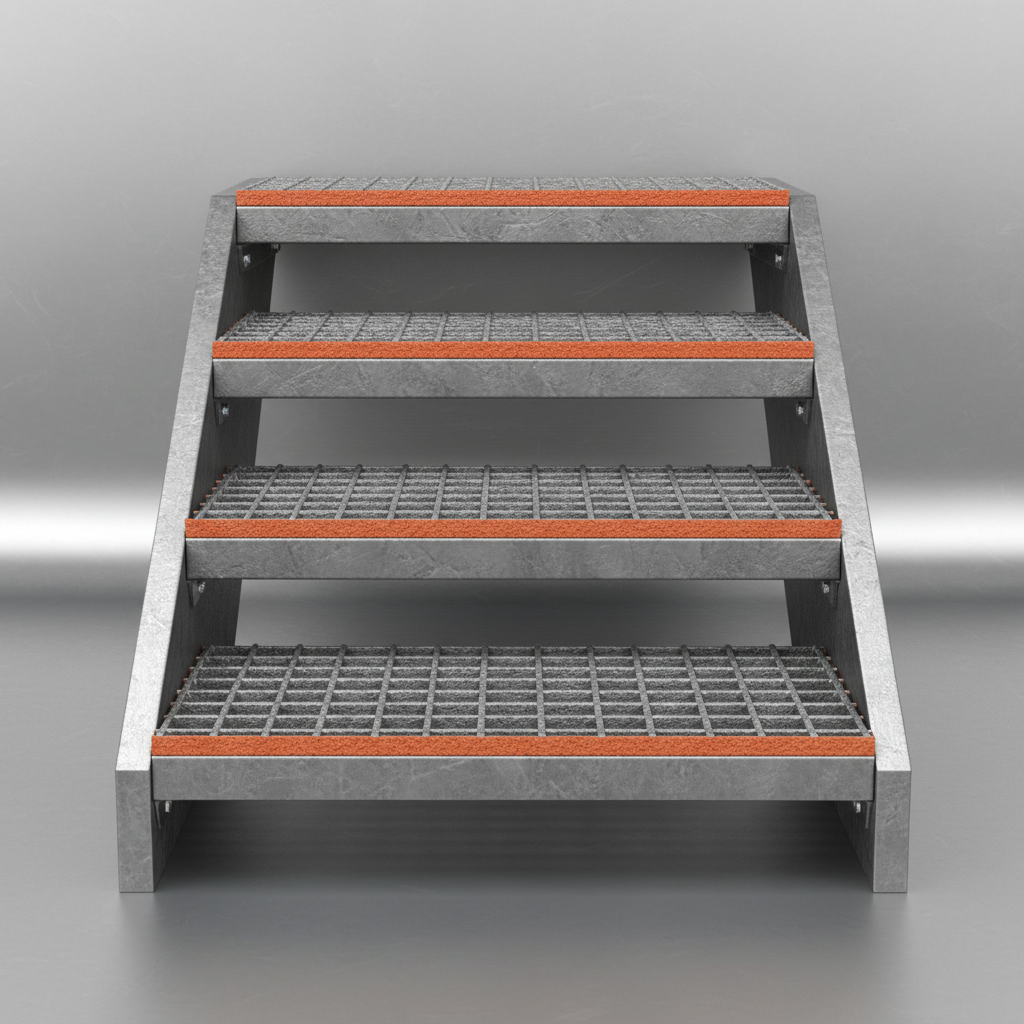
Simply put, fiberglass grating stair treads are walking surfaces constructed from glass fibers reinforced with a polymer resin. But that definition doesn't capture the real value. They're engineered to replace traditional materials like steel and aluminum in stairways, walkways, and platforms in corrosive environments. It’s a pre-fabricated solution that dramatically reduces on-site fabrication and installation time – a huge win for any project.

This isn’t a new technology, but the manufacturing processes have become increasingly sophisticated, resulting in higher strength-to-weight ratios and improved durability. It's about applying composite materials science to a practical, everyday problem: providing safe and reliable access in challenging environments. It's about thinking beyond the initial cost and focusing on long-term performance.

In a world facing increasing infrastructure demands and environmental concerns, fiberglass grating stair treads represent a move towards more sustainable and efficient construction practices. They're a prime example of how materials science can address real-world challenges and improve the longevity and safety of critical infrastructure.

Key Factors or Core Components

Durability: This is where fiberglass really shines. It’s incredibly resistant to corrosion, even in harsh chemical environments and saltwater exposure. Unlike steel, it won't rust, rot, or weaken over time. I’ve seen steel stairs needing replacement after just a few years in a coastal plant; fiberglass can easily last decades with minimal maintenance.

Lightweight: Fiberglass is significantly lighter than steel, making it easier to handle and install. This reduces labor costs and simplifies logistics, especially in remote locations or projects with limited access. It also reduces the load on supporting structures, potentially lowering overall construction costs.

Safety: The textured surface of fiberglass grating provides excellent slip resistance, even when wet or oily. It’s also electrically non-conductive, which is a critical safety feature in environments with electrical hazards. And, importantly, it doesn’t get as hot in direct sunlight as metal, reducing the risk of burns.

Global Applications & Use Cases

You’ll find fiberglass grating stair treads everywhere from offshore oil platforms in the North Sea to wastewater treatment plants in Florida. Chemical processing facilities, pulp and paper mills, and even food processing plants are increasingly adopting them to combat corrosion and ensure worker safety. fiberglass grating stair treads are particularly valuable in coastal regions where saltwater exposure accelerates corrosion.

In post-disaster relief operations, the lightweight and ease of installation of fiberglass grating can be a lifesaver. Rapidly deployable stairways and walkways can provide access to critical areas and facilitate rescue efforts. And in remote industrial zones, where access to skilled labor and materials is limited, the durability and low-maintenance requirements of fiberglass make it an ideal solution.

I recently worked on a project upgrading a desalination plant in Saudi Arabia. The existing steel stairways were heavily corroded due to the saltwater environment. Replacing them with fiberglass not only improved safety but also significantly reduced the long-term maintenance costs for the facility. It wasn’t the cheapest option upfront, but the total cost of ownership was considerably lower.

Comparison of Fiberglass Grating Stair Tread Installation Methods


Advantages & Long-Term Value

Let's talk about money. While the initial cost of fiberglass grating stair treads might be slightly higher than traditional materials, the long-term savings are substantial. Reduced maintenance, extended lifespan, and minimized downtime all contribute to a lower total cost of ownership. I’ve seen projects where the savings on corrosion control alone justify the investment in fiberglass.

Beyond the financial benefits, there's a real safety advantage. A secure, slip-resistant stairway is critical for preventing accidents and protecting workers. And the peace of mind knowing that the structure won't corrode or fail prematurely is invaluable. It’s about building infrastructure that’s reliable, safe, and sustainable. It’s an investment in the future.

Future Trends & Innovations

We’re seeing ongoing advancements in resin technology, leading to even stronger and more durable fiberglass composites. Researchers are exploring the use of bio-based resins to further reduce the environmental impact of fiberglass production. There's also a growing trend towards incorporating smart sensors into grating structures, allowing for real-time monitoring of stress, corrosion, and other critical parameters.

Digital twin technology is also playing a role. Creating a virtual replica of the stairway allows for predictive maintenance and optimization of performance. And with the increasing adoption of prefabricated modular construction, fiberglass grating stair treads are becoming even more attractive as a quick and efficient building solution.

Challenges & Solutions

One common challenge is the perception that fiberglass is brittle or easily damaged. While it's true that fiberglass can be susceptible to impact damage, modern formulations and manufacturing processes have significantly improved its impact resistance. Proper installation and maintenance are also crucial for ensuring long-term performance.

Another concern is the lack of widespread awareness among contractors and engineers. Many are simply unfamiliar with the benefits of fiberglass and hesitant to adopt new materials. Education and training are key to overcoming this barrier. We need to equip the industry with the knowledge and skills to properly specify, install, and maintain fiberglass grating stair treads.

Finally, ensuring consistent quality control throughout the supply chain is essential. Sourcing from reputable manufacturers with robust quality assurance programs is critical for guaranteeing the performance and longevity of the product. I've seen too many projects suffer from using inferior materials – it’s always best to invest in quality from the start.

Summary of Common Challenges and Solutions for Fiberglass Grating Stair Tread Implementation

Challenge Impact on Project Proposed Solution Implementation Cost (1-10)
Perceived Brittleness Hesitancy in high-traffic areas Utilize higher-grade resins & reinforced designs 6
Lack of Industry Knowledge Improper Installation Provide training & certification programs 7
High Initial Cost Budget Constraints Life-cycle cost analysis showcasing long-term savings 5
Supply Chain Variability Inconsistent Product Quality Partner with certified manufacturers 8
Installation Complexity Increased Labor Costs Design for easy assembly & pre-fabricated components 4
Limited Design Flexibility Aesthetic Concerns Explore custom coloring & molding options 3

FAQS

What is the expected lifespan of fiberglass grating stair treads in a saltwater environment?

In a properly maintained saltwater environment, fiberglass grating stair treads can easily last 25-30 years, often exceeding that. This is significantly longer than steel, which typically requires replacement every 5-10 years due to corrosion. The key is selecting a high-quality resin system specifically designed for marine applications and implementing a regular cleaning schedule to remove salt buildup.

Are fiberglass stair treads slippery when wet?

Not at all! Fiberglass grating is manufactured with a textured surface that provides excellent slip resistance, even when wet or oily. In fact, it often offers better traction than smooth steel surfaces. The open grating design also allows water to drain quickly, further reducing the risk of slips and falls. Ensuring the correct grating mesh size is chosen for the application is also key.

How do fiberglass stair treads handle heavy loads?

Fiberglass grating is surprisingly strong for its weight. It's designed to meet or exceed applicable load standards. Load capacity depends on the specific grating design, resin system, and span length. Properly engineered and installed fiberglass stair treads can comfortably handle pedestrian traffic and even some light vehicular loads. Always consult with a structural engineer to determine the appropriate grating for your application.

What is the fire rating of fiberglass grating?

The fire rating of fiberglass grating varies depending on the resin system used. Many formulations are flame retardant and meet or exceed industry standards for fire safety. It’s important to specify a fire-rated resin if the application requires it, such as in escape routes or hazardous areas. Always check the product’s fire rating certificate before installation.

How is fiberglass grating installed?

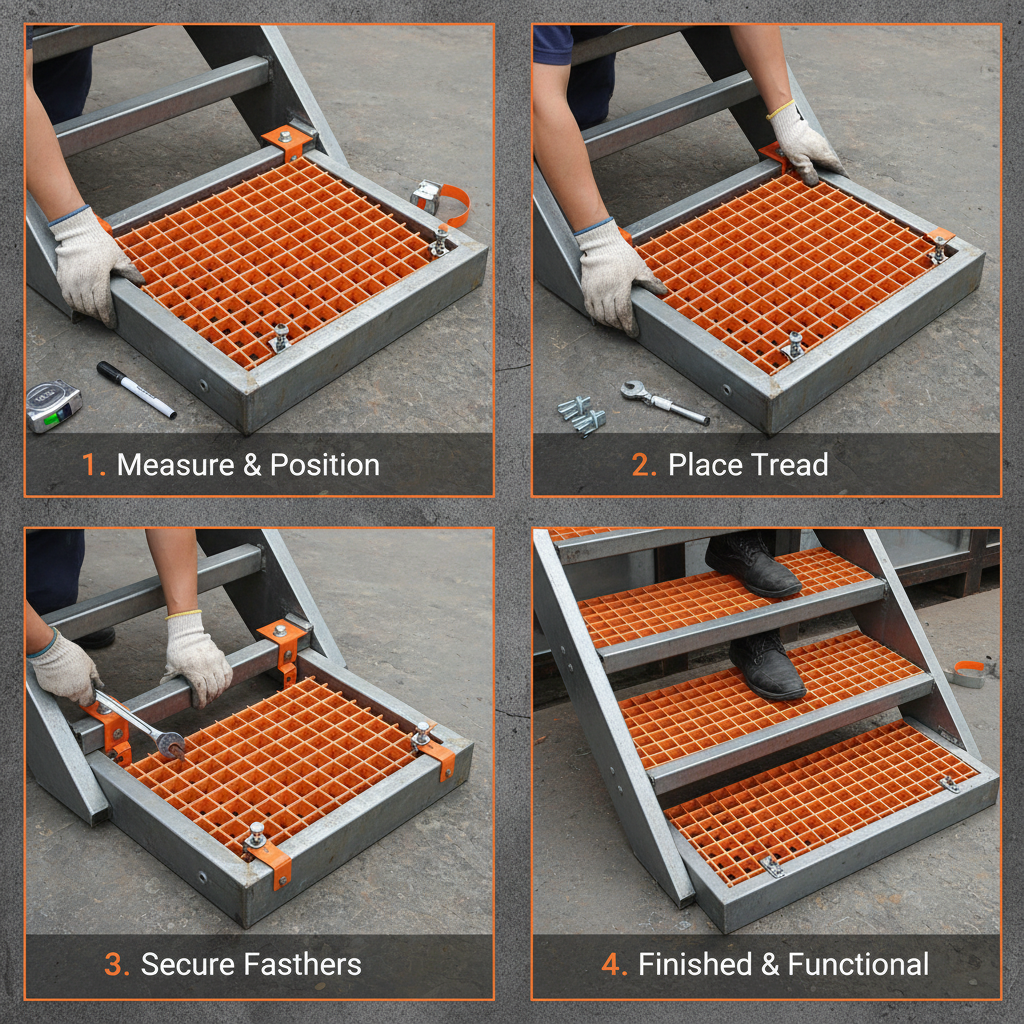
Installation is typically much faster and easier than steel. Fiberglass grating is lightweight and can often be cut and fitted on-site with basic tools. It's commonly supported by steel or aluminum framing, and fasteners are used to secure the grating in place. Proper anchoring and support are crucial for ensuring structural integrity and preventing movement. Pre-fabricated stair kits are also available, simplifying the installation process even further.

Is fiberglass grating more expensive than traditional steel stairs?

The initial material cost of fiberglass grating might be slightly higher than steel. However, when you factor in the reduced maintenance costs, extended lifespan, and minimized downtime, the total cost of ownership is often significantly lower. Furthermore, the ease of installation can lead to substantial labor savings. It’s crucial to conduct a life-cycle cost analysis to accurately compare the two options.

Conclusion

Fiberglass grating stair treads represent a significant advancement in infrastructure materials. Their combination of durability, lightweight construction, safety features, and long-term cost savings makes them an increasingly attractive alternative to traditional materials. It’s not about replacing steel entirely, but about applying the right material for the right application, maximizing value and minimizing risk.

The future of infrastructure demands sustainable, reliable, and efficient solutions. By embracing innovations like fiberglass grating, we can build structures that are not only safer and more durable but also contribute to a more sustainable future. If you’re facing challenges with corrosion, maintenance, or safety on your next project, I encourage you to explore the benefits of fiberglass grating stair treads. You might be surprised at what they can do.

Silas Wainwright

Silas Wainwright

Silas Wainwright is the Lead Product Designer at ZJ Composites, focusing on innovative applications of fiberglass and composite materials. Silas has a background in industrial design and a passion for creating durable, efficient solutions. He is dedicated to the company’s mission of revolutionizing composite materials. Prior to ZJ Composites, Silas
Previous The Rise of Fiberglass Stairs in Modern Construction and Industrial Applications
Next Maximize Safety and Longevity with Durable Fiberglass Stair Tread Covers